Salad VS Barbecue Sauce
A detailed nutritional comparison
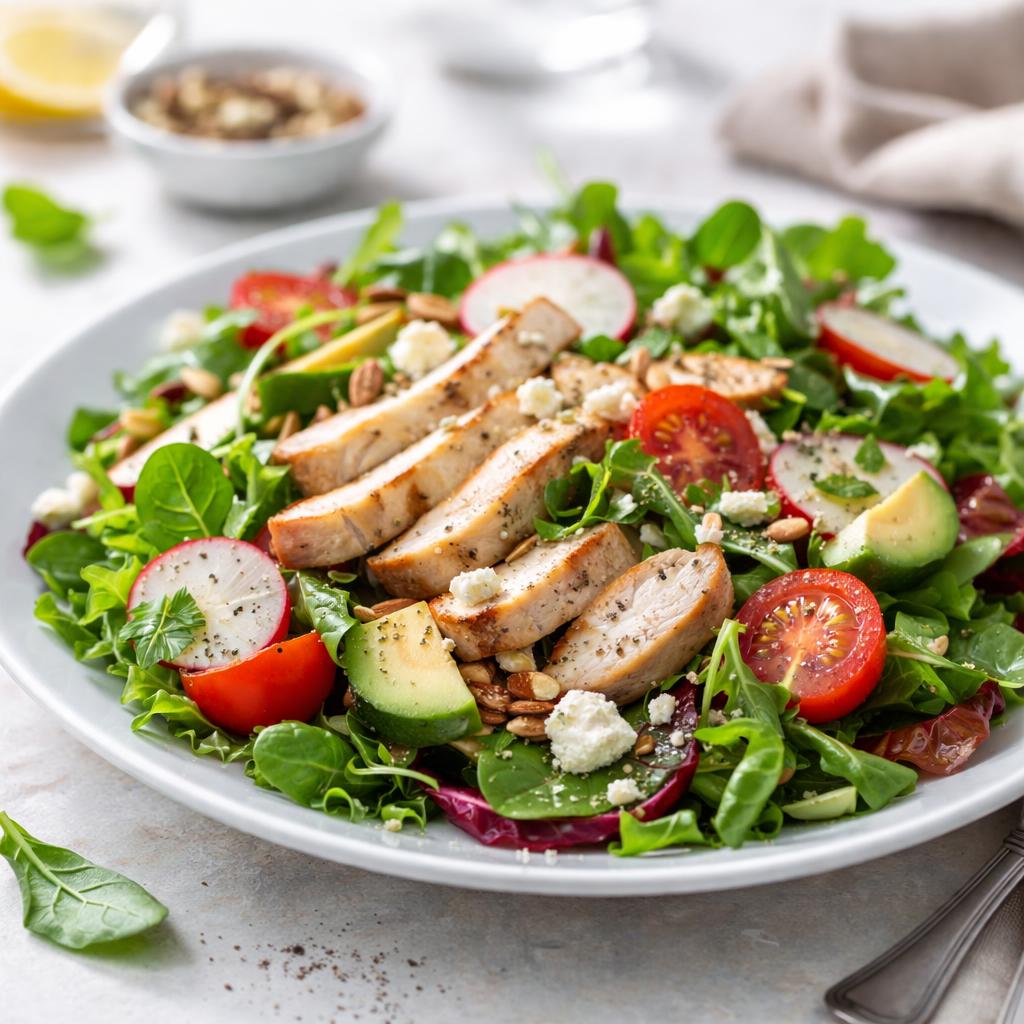
Salad

Barbecue Sauce
🎯 Quick Verdict
Salad is a nutrient-dense, low-calorie option rich in fiber, vitamins, and protein, suitable for healthy eating and weight management. Barbecue sauce is calorie-dense and lacks protein or fiber but offers flavor enhancement and antioxidants from spices. Salad is better for overall nutrition, while barbecue sauce serves as an occasional condiment to add flavor to meals.

Smart Nutrition Tracking with SnapCalorie

📊 Nutritional Comparison
Macronutrients
| Nutrient | Food 1 | Food 2 | Winner |
|---|---|---|---|
| Calories | 50 | 200 | ✓ |
| Protein | 2g | 0g | ✓ |
| Carbs | 10g | 45g | ✓ |
| Fat | 0.5g | 0g | ✓ |
| Fiber | 3g | 0g | ✓ |
Vitamins & Minerals
| Nutrient | Food 1 | Food 2 | Winner |
|---|---|---|---|
| Vitamin A | 2000 IU | 500 IU | ✓ |
| Vitamin C | 30mg | 2mg | ✓ |
| Iron | 1mg | 0mg | ✓ |
🏆 Category Winners
Protein
Salad contains 2g of protein compared to barbecue sauce, which has 0g.
Fiber
Salad provides 3g of fiber, while barbecue sauce offers none.
Calories
Salad has 75% fewer calories per serving than barbecue sauce.
Vitamins
Salad is significantly richer in Vitamin A, Vitamin C, and Iron compared to barbecue sauce.
🥗 Diet Compatibility
Keto
Food 1: Compatible
Food 2: Not Compatible
Salad is low-carb (10g per serving), while barbecue sauce is high in sugar (45g carbs).
Vegan
Food 1: Compatible
Food 2: Compatible
Both foods are plant-based and suitable for vegan diets.
Gluten Free
Food 1: Compatible
Food 2: Partially Compatible
Many salads are gluten-free, but barbecue sauces may contain gluten based on ingredients.
Paleo
Food 1: Compatible
Food 2: Not Compatible
Salad fits paleo guidelines, but barbecue sauce often contains processed sugars.
Low Carb
Food 1: Compatible
Food 2: Not Compatible
Salad is low in carbs, whereas barbecue sauce is high in sugar and carbohydrates.
💪 Health Benefits Comparison
Food 1 Benefits
- Rich in vitamins (Vitamin A and C) for immune health and vision
- High fiber content aids digestive health and satiety
- Low-calorie option supports weight management
- Contains antioxidants, which combat oxidative stress
Food 2 Benefits
- Offers flavor enhancement to meals
- Contains antioxidants from spices like paprika and garlic
- Can provide trace minerals such as potassium depending on recipe
✅ The Bottom Line
Choose salad for overall nutrition, low calories, and fiber. It’s ideal for weight management and healthy eating patterns. Barbecue sauce can be used occasionally to enhance flavors, but it is calorie-dense and lacks nutritional benefits.
Choose Food 1 for: Weight management, healthy eating, nutrient density
Choose Food 2 for: Flavor enhancement, occasional use, pairing with proteins


