Salad VS Baked Potato
A detailed nutritional comparison
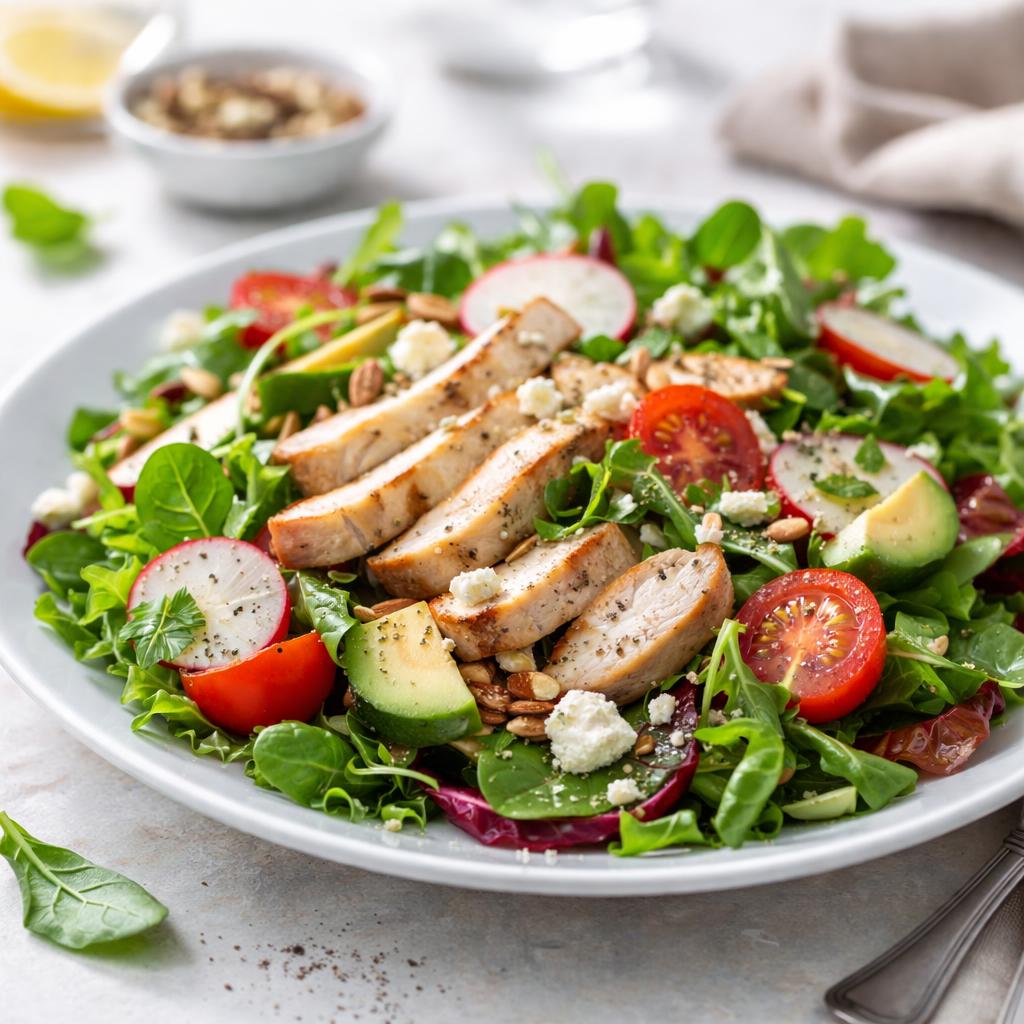
Salad
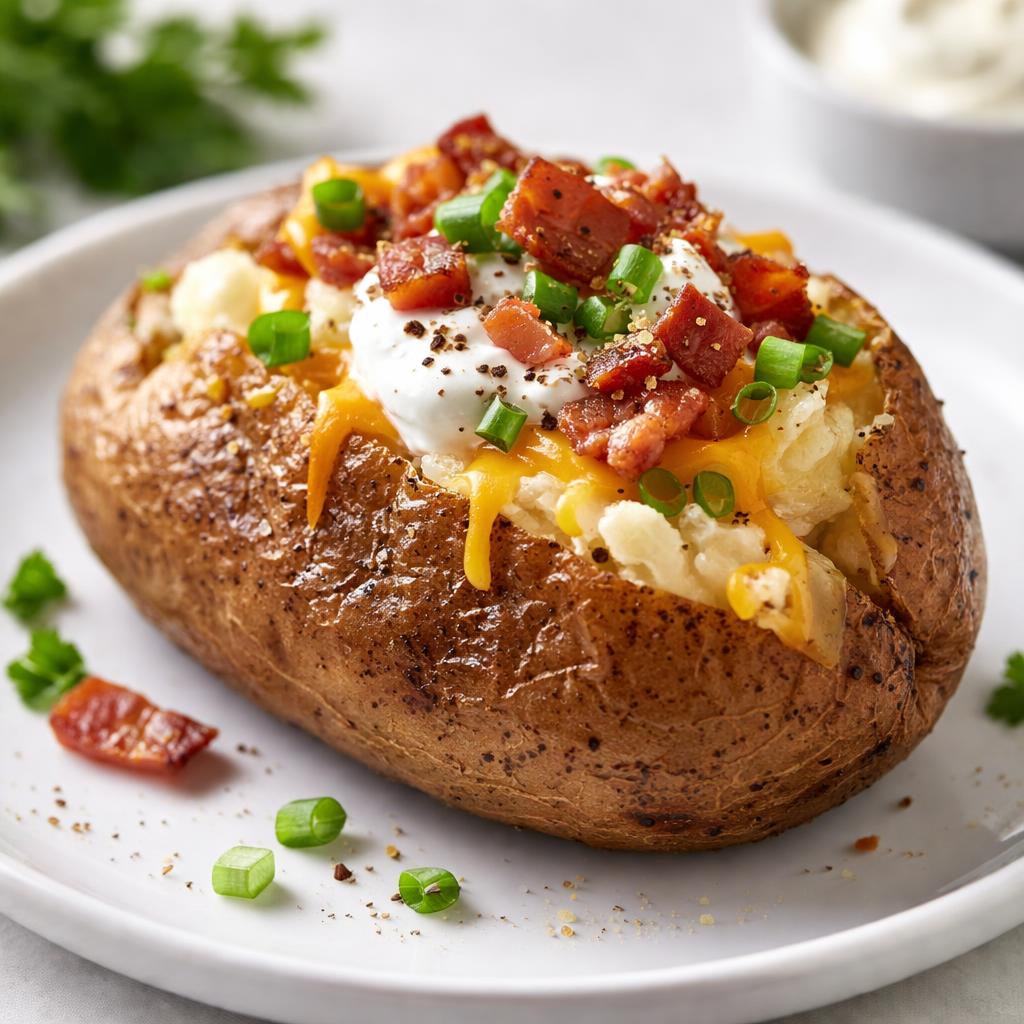
Baked Potato
🎯 Quick Verdict
Salad is lower in calories and higher in fiber compared to a baked potato, making it ideal for weight management and digestive health. On the other hand, baked potatoes provide more protein and carbohydrates, making them a better choice for energy and muscle repair after workouts. Both foods are nutrient-dense and versatile depending on dietary needs and lifestyles.

Smart Nutrition Tracking with SnapCalorie

📊 Nutritional Comparison
Macronutrients
| Nutrient | Food 1 | Food 2 | Winner |
|---|---|---|---|
| Calories | 50 | 130 | ✓ |
| Protein | 2g | 4g | ✓ |
| Carbs | 10g | 30g | ✓ |
| Fat | 0.5g | 0.1g | ✓ |
| Fiber | 3g | 2g | ✓ |
Vitamins & Minerals
| Nutrient | Food 1 | Food 2 | Winner |
|---|---|---|---|
| Vitamin C | 25mg | 12mg | ✓ |
| Vitamin K | 90mcg | 2mcg | ✓ |
| Potassium | 180mg | 550mg | ✓ |
| Vitamin B6 | 0.1mg | 0.3mg | ✓ |
🏆 Category Winners
Protein
Baked potato has double the protein per serving.
Fiber
Salad contains 50% more fiber, aiding digestion.
Calories
Salad has less than half the calories of a baked potato.
Vitamins
Salad provides higher levels of vitamin C and vitamin K.
🥗 Diet Compatibility
Keto
Food 1: Compatible
Food 2: Not Compatible
Salad is low-carb and keto-friendly.
Vegan
Food 1: Compatible
Food 2: Compatible
Both are plant-based foods.
Gluten Free
Food 1: Compatible
Food 2: Compatible
Neither contains gluten.
Paleo
Food 1: Compatible
Food 2: Compatible
Both are whole, unprocessed foods.
Low Carb
Food 1: Compatible
Food 2: Not Compatible
Salad contains fewer carbs (10g vs 30g).
💪 Health Benefits Comparison
Food 1 Benefits
- Low in calories for weight management
- High in fiber for digestive health
- Rich source of vitamins C and K for immune and bone health
- Hydrating due to high water content
Food 2 Benefits
- Good source of complex carbs for sustained energy
- Provides potassium for healthy muscle and heart function
- Contains vitamin B6 for brain and cell health
- Minimal fat content and nutrient-dense
✅ The Bottom Line
Salad is the better choice for weight management, low-carb diets, and overall nutrient density due to its high fiber and vitamin content. Baked potatoes are ideal for those needing energy for physical activity or muscle recovery, given their higher protein and carbohydrate levels. Both are healthy additions to a balanced diet.
Choose Food 1 for: Weight loss, keto-friendly meals, light and nutrient-rich snacks
Choose Food 2 for: Post-workout recovery, energy boost, comfort food


