Salad VS Bagel
A detailed nutritional comparison
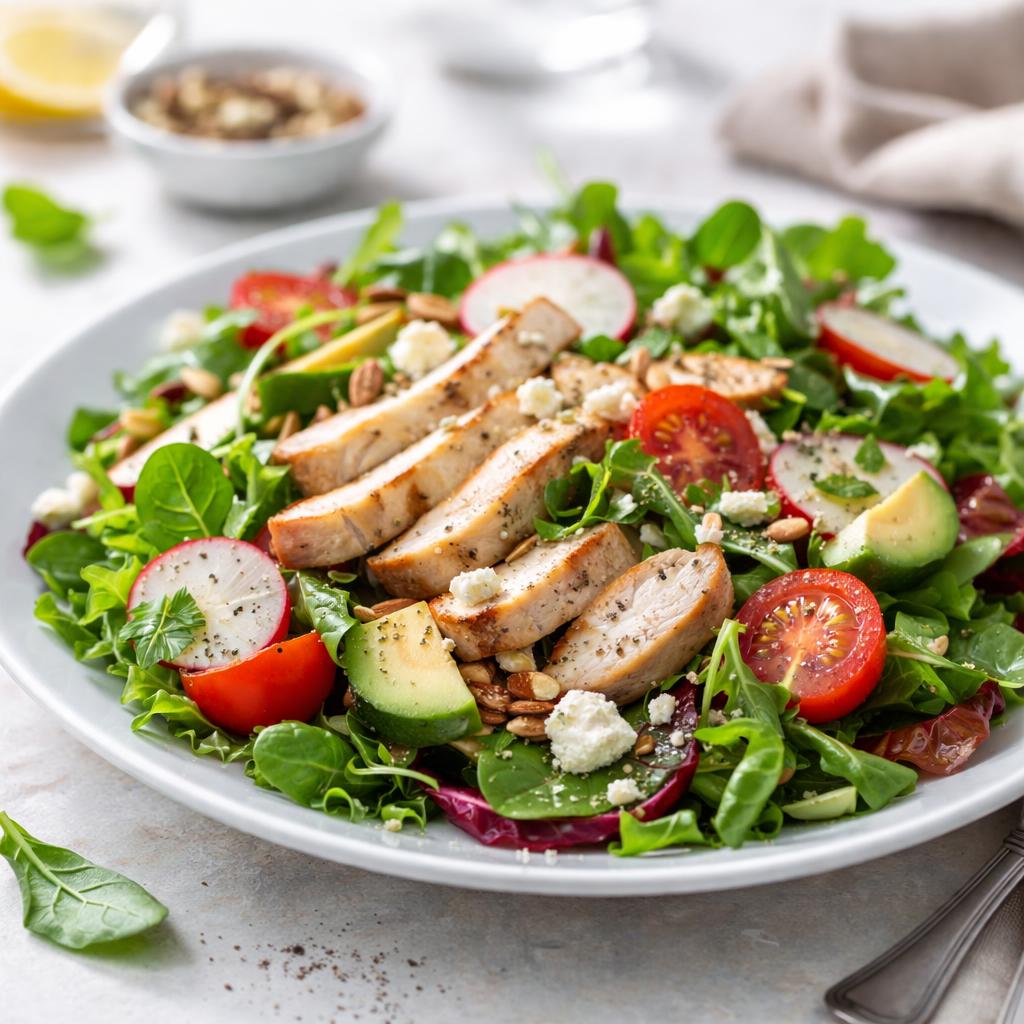
Salad
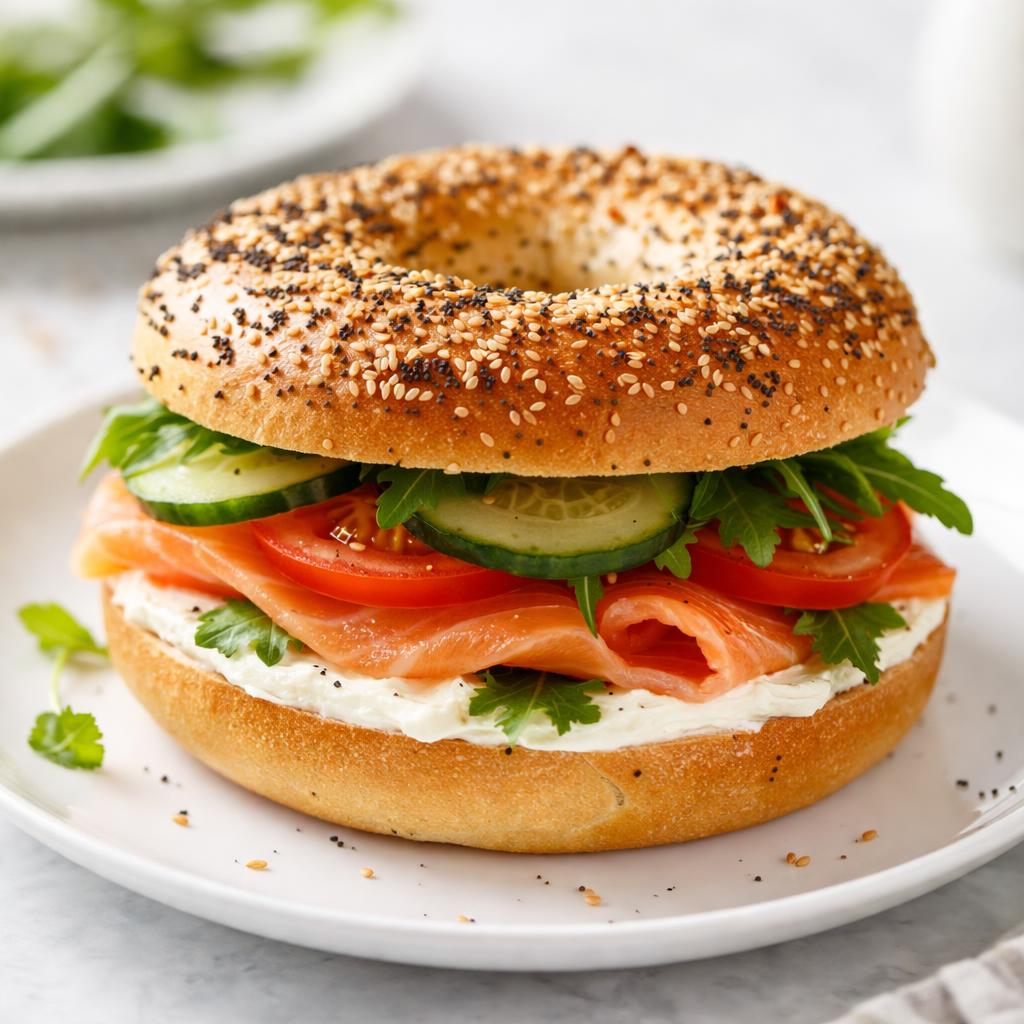
Bagel
🎯 Quick Verdict
Salad is significantly lower in calories and higher in fiber, making it ideal for weight management and digestion. Bagels, on the other hand, have more protein and carbohydrates, providing a quick source of energy for active individuals. Choose based on dietary goals: light and nutrient-dense (salad) or filling and energizing (bagel).

Smart Nutrition Tracking with SnapCalorie

📊 Nutritional Comparison
Macronutrients
| Nutrient | Food 1 | Food 2 | Winner |
|---|---|---|---|
| Calories | 50 (1 cup mixed greens + veggies) | 280 (plain bagel) | ✓ |
| Protein | 2g | 9g | ✓ |
| Carbs | 8g | 55g | ✓ |
| Fat | 0.5g | 1g | ✓ |
| Fiber | 3g | 1g | ✓ |
Vitamins & Minerals
| Nutrient | Food 1 | Food 2 | Winner |
|---|---|---|---|
| Vitamin A | 3000 IU (60% DV) | 0 IU | ✓ |
| Vitamin C | 25mg (30% DV) | 0mg | ✓ |
| Iron | 1mg (5% DV) | 1.5mg (8% DV) | ✓ |
| Calcium | 20mg (2% DV) | 60mg (6% DV) | ✓ |
🏆 Category Winners
Protein
Bagel provides 4.5x more protein than salad.
Fiber
Salad has 3x more fiber, promoting better digestion.
Calories
Salad has 80% fewer calories than a bagel.
Vitamins
Salad is rich in vitamins A and C, supporting immunity and vision health.
🥗 Diet Compatibility
Keto
Food 1: Compatible
Food 2: Not Compatible
Salad is low-carb, while bagels are very high in carbs.
Vegan
Food 1: Compatible
Food 2: Compatible
Both are plant-based when prepared traditionally.
Gluten Free
Food 1: Compatible
Food 2: Not Compatible
Bagels contain gluten, while salad is naturally gluten-free.
Paleo
Food 1: Compatible
Food 2: Not Compatible
Salad fits paleo guidelines, but bagel contains processed grains.
Low Carb
Food 1: Compatible
Food 2: Not Compatible
Salad has minimal carbs compared to the high-carb bagel.
💪 Health Benefits Comparison
Food 1 Benefits
- Low in calories, great for weight management
- High in fiber for improved digestion
- Rich in Vitamin A and C for skin and immune health
- Customizable with lean proteins or healthy fats
Food 2 Benefits
- Decent source of protein for muscle repair
- Quick energy from carbohydrates for active lifestyles
- Calcium content for stronger bones
- Pairs well with nutrient-dense toppings like avocado or smoked salmon
✅ The Bottom Line
For those looking for a low-calorie, nutrient-dense choice, salad is the clear winner, offering fiber, vitamins, and customizability for healthy diets. Bagels, while less nutrient-dense, are better suited for those needing quick energy or a more filling meal option.
Choose Food 1 for: Weight management, nutrient-focused dieting, keto, paleo, or low-carb lifestyles.
Choose Food 2 for: Energy boost, post-workout meals, or pairing with protein and fat for a more balanced meal.


