Salad VS Baby Corn
A detailed nutritional comparison
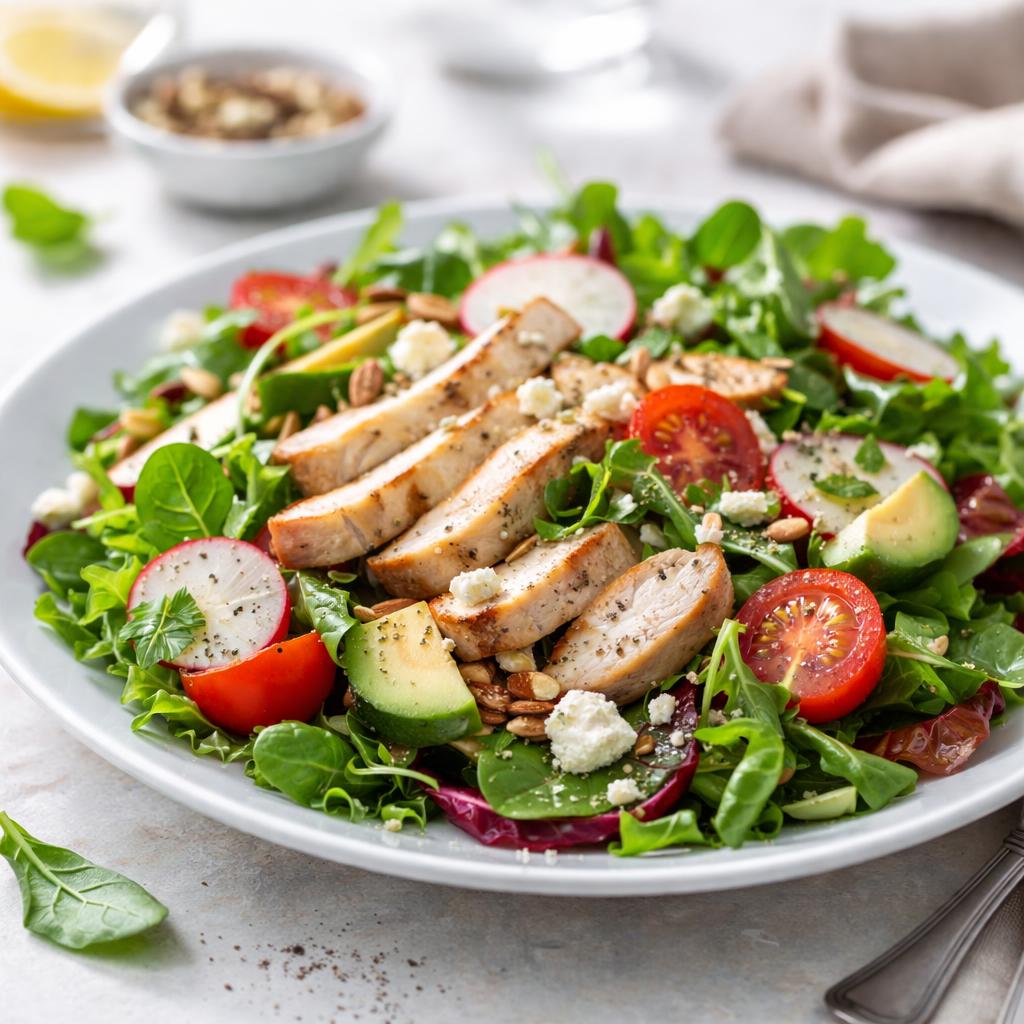
Salad
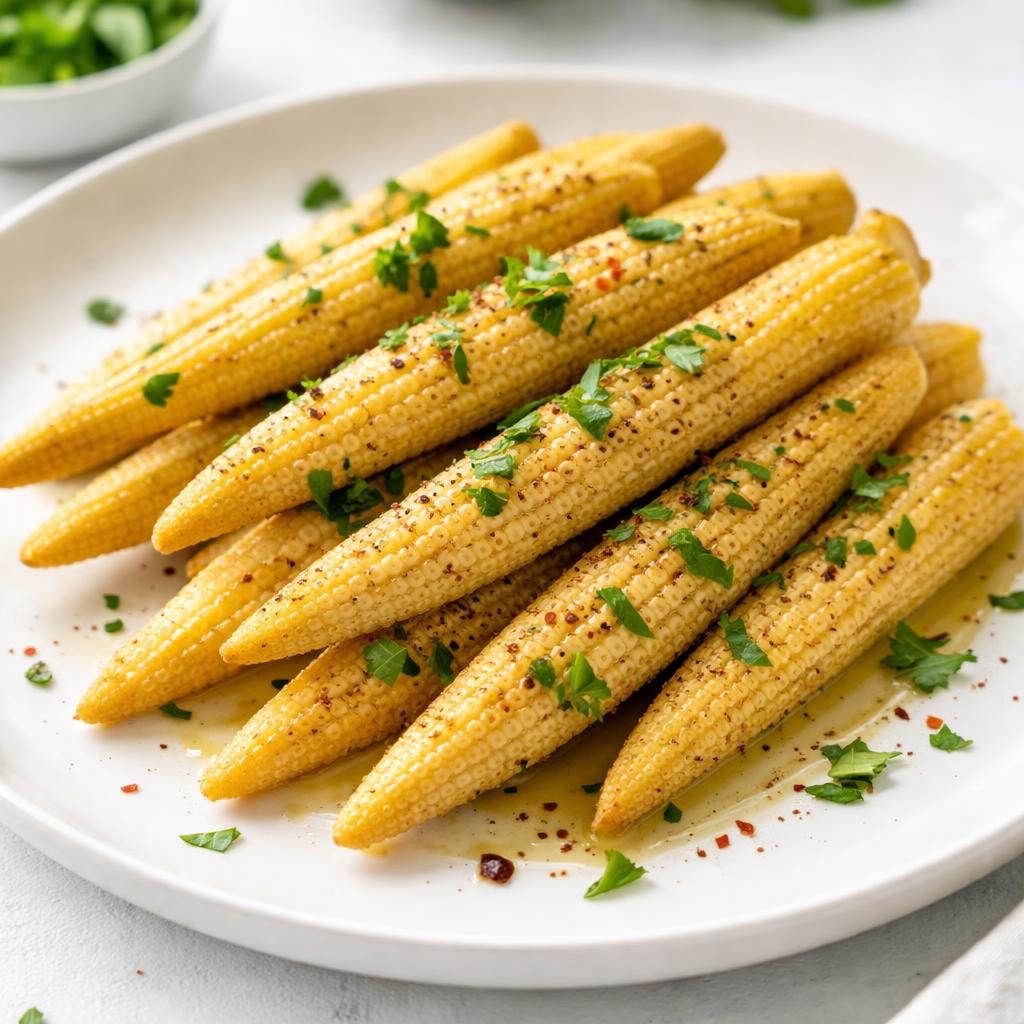
Baby Corn
🎯 Quick Verdict
Baby corn has slightly higher protein and fiber content compared to salad, making it a more nutrient-dense choice for overall health. Salad, however, is lower in calories, making it a better option for weight loss. Both are excellent plant-based choices with distinct health benefits depending on dietary goals.

Smart Nutrition Tracking with SnapCalorie

📊 Nutritional Comparison
Macronutrients
| Nutrient | Food 1 | Food 2 | Winner |
|---|---|---|---|
| Calories | 15 (per cup) | 50 (per cup) | ✓ |
| Protein | 1g | 2g | ✓ |
| Carbs | 2g | 11g | ✓ |
| Fat | 0.2g | 0.5g | ✓ |
| Fiber | 1g | 2g | ✓ |
Vitamins & Minerals
| Nutrient | Food 1 | Food 2 | Winner |
|---|---|---|---|
| Vitamin A | 133mcg | 56mcg | ✓ |
| Vitamin C | 9mg | 4mg | ✓ |
| Calcium | 18mg | 13mg | ✓ |
| Iron | 0.6mg | 0.5mg | ✓ |
🏆 Category Winners
Protein
Baby corn provides double the protein per serving compared to salad.
Fiber
Baby corn has twice the fiber, helping with digestion.
Calories
Salad has significantly fewer calories, great for weight loss.
Vitamins
Salad contains more Vitamin A, Vitamin C, calcium, and iron for overall micronutrient density.
🥗 Diet Compatibility
Keto
Food 1: Compatible
Food 2: Moderately Compatible
Salad is very low-carb, while baby corn has slightly higher carbs but can fit within keto macros.
Vegan
Food 1: Compatible
Food 2: Compatible
Both foods are plant-based and suitable for vegans.
Gluten Free
Food 1: Compatible
Food 2: Compatible
Neither food contains gluten, ideal for a gluten-free diet.
Paleo
Food 1: Compatible
Food 2: Compatible
Both are whole, unprocessed foods, meeting paleo guidelines.
Low-Carb
Food 1: Compatible
Food 2: Partially Compatible
Salad is extremely low carb, while baby corn is higher in carbs but can fit in moderate low-carb diets.
💪 Health Benefits Comparison
Food 1 Benefits
- Low-calorie option for weight management
- Rich in Vitamin A to support vision and skin health
- High water content for hydration and fullness
Food 2 Benefits
- Good source of dietary fiber for digestive health
- Provides a small amount of protein for muscle repair
- Contains antioxidants for overall cellular health
✅ The Bottom Line
Choose salad for ultra-low calories, hydration, and maximum vitamin density; best for weight loss or as a light meal base. Baby corn is better for fiber, protein, and a more robust nutrient profile; ideal for snacking, side dishes, or adding bulk to meals.
Choose Food 1 for: Weight loss, vitamin-rich diets, light meals
Choose Food 2 for: Digestive health, nutrient density, quick snacks


