Salad VS Asparagus
A detailed nutritional comparison
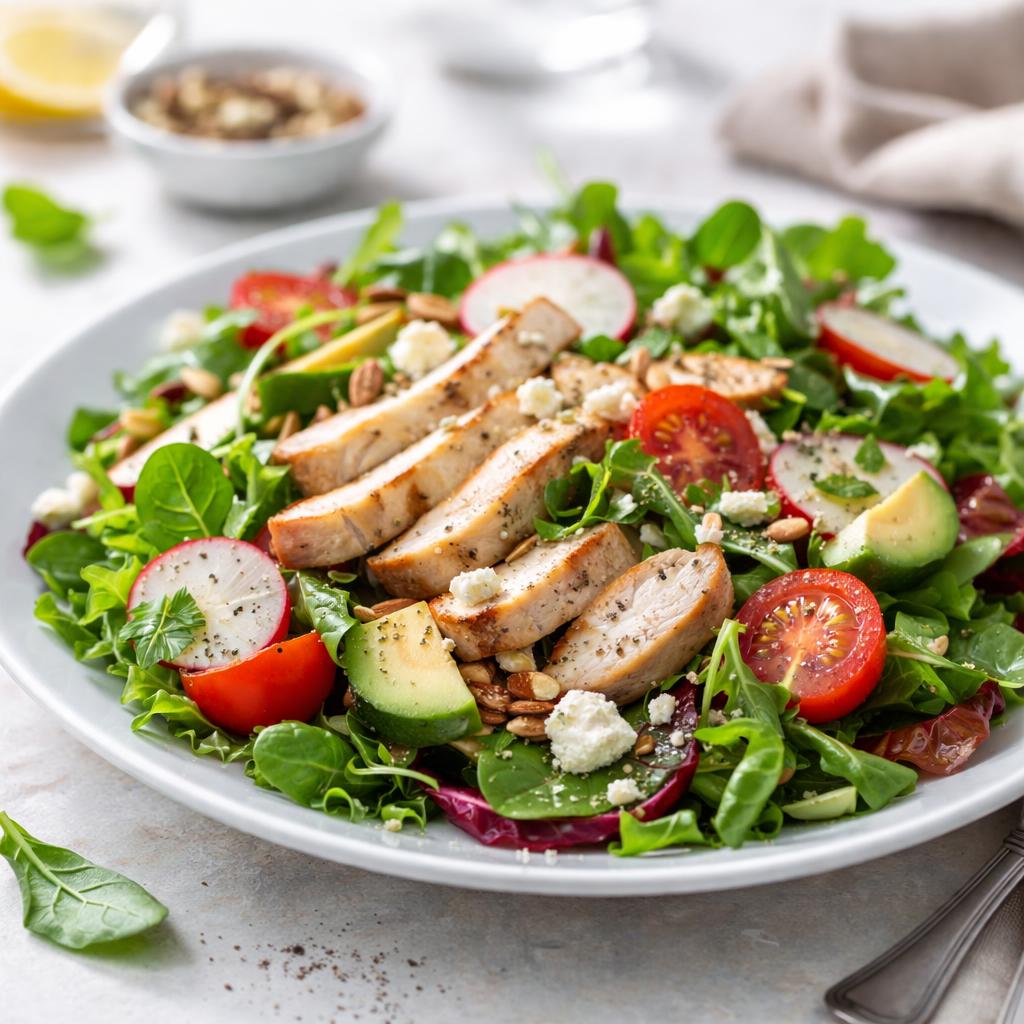
Salad
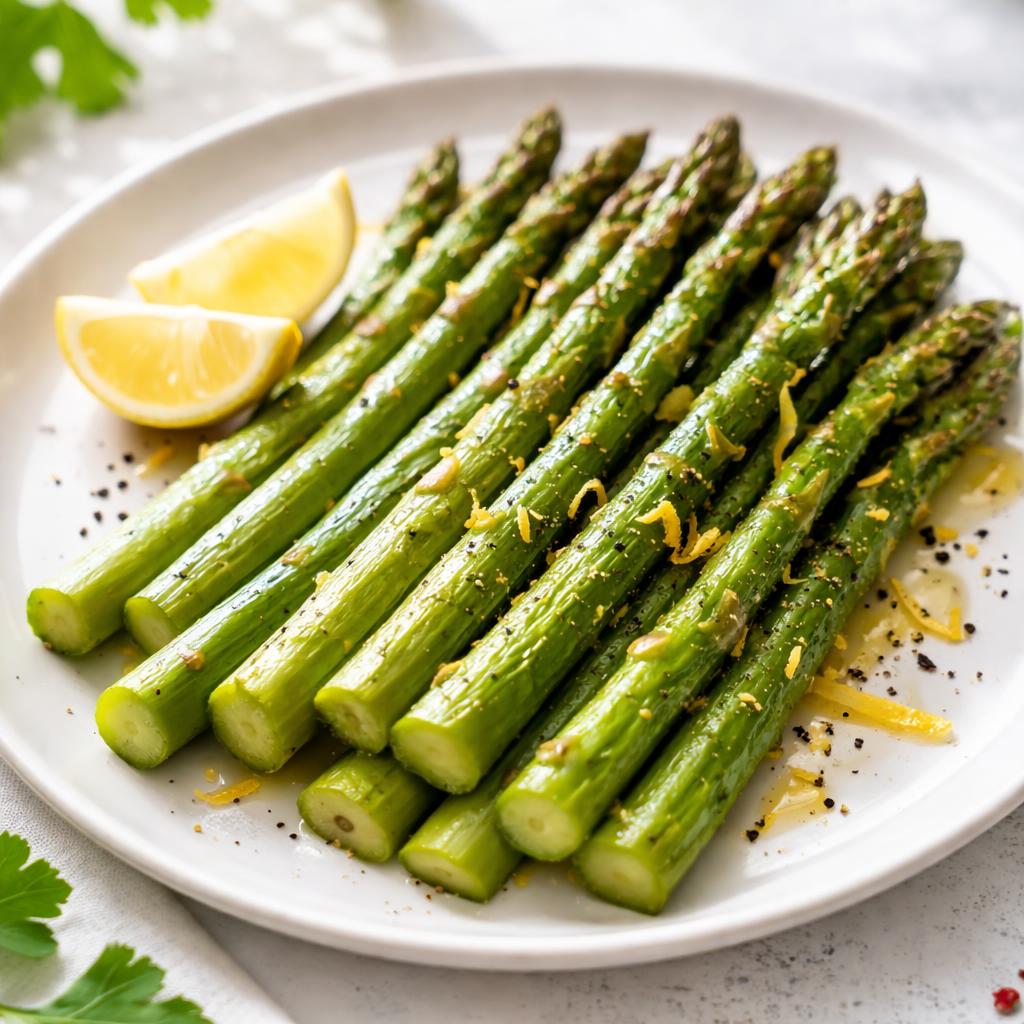
Asparagus
🎯 Quick Verdict
Salad and asparagus are both nutrient-dense vegetables. Salad is higher in fiber, making it great for digestion, while asparagus has slightly more protein and fewer calories, supporting weight loss and muscle health. Both are versatile and compatible with most healthy diets, but serve slightly different nutritional purposes.

Smart Nutrition Tracking with SnapCalorie

📊 Nutritional Comparison
Macronutrients
| Nutrient | Food 1 | Food 2 | Winner |
|---|---|---|---|
| Calories | 80 per 100g | 20 per 100g | ✓ |
| Protein | 2g per 100g | 2.2g per 100g | ✓ |
| Carbs | 10g per 100g | 3.9g per 100g | ✓ |
| Fat | 0.5g per 100g | 0.1g per 100g | ✓ |
| Fiber | 2.5g per 100g | 2g per 100g | ✓ |
Vitamins & Minerals
| Nutrient | Food 1 | Food 2 | Winner |
|---|---|---|---|
| Vitamin C | 9mg per 100g | 5.6mg per 100g | ✓ |
| Vitamin A | 1700IU per 100g | 756IU per 100g | ✓ |
| Vitamin K | 90mcg per 100g | 41.6mcg per 100g | ✓ |
| Folate | 38mcg per 100g | 80mcg per 100g | ✓ |
🏆 Category Winners
Protein
Asparagus provides slightly more protein per serving (2.2g vs 2g).
Fiber
Salad has 25% more fiber per serving compared to asparagus.
Calories
Asparagus is significantly lower in calories, with only 20 calories per 100g vs 80 calories in salad.
Vitamins
Salad is richer in Vitamin C, Vitamin A, and Vitamin K, though asparagus excels in folate.
🥗 Diet Compatibility
Keto
Food 1: Compatible
Food 2: Compatible
Both have low net carbs and fit well in a ketogenic diet.
Vegan
Food 1: Compatible
Food 2: Compatible
Both are plant-based and suitable for vegans.
Gluten Free
Food 1: Compatible
Food 2: Compatible
Neither contains gluten, making them safe for gluten-free diets.
Paleo
Food 1: Compatible
Food 2: Compatible
Both are whole foods that align with Paleo principles.
Low-Carb
Food 1: Compatible
Food 2: Compatible
Both are low in carbohydrates, with asparagus being particularly low (3.9g per 100g).
💪 Health Benefits Comparison
Food 1 Benefits
- High fiber content aids digestion and promotes gut health.
- Rich in Vitamin A and K for healthy vision and bone health.
- Contains antioxidants for immune system support.
Food 2 Benefits
- Low calorie content supports weight management.
- Good source of folate, important for cell function and fetal health.
- Provides Vitamin K and antioxidants for bone health and reduced oxidative stress.
✅ The Bottom Line
Choose salad for higher fiber and a broader spectrum of vitamins if focusing on digestion and general nutrition. Opt for asparagus when prioritizing low calories, protein, and folate for weight management and energy sustenance.
Choose Food 1 for: Gut health, general nutrition, nutrient-dense meals
Choose Food 2 for: Low-calorie diets, weight management, folate intake


