Salad VS Artichoke
A detailed nutritional comparison
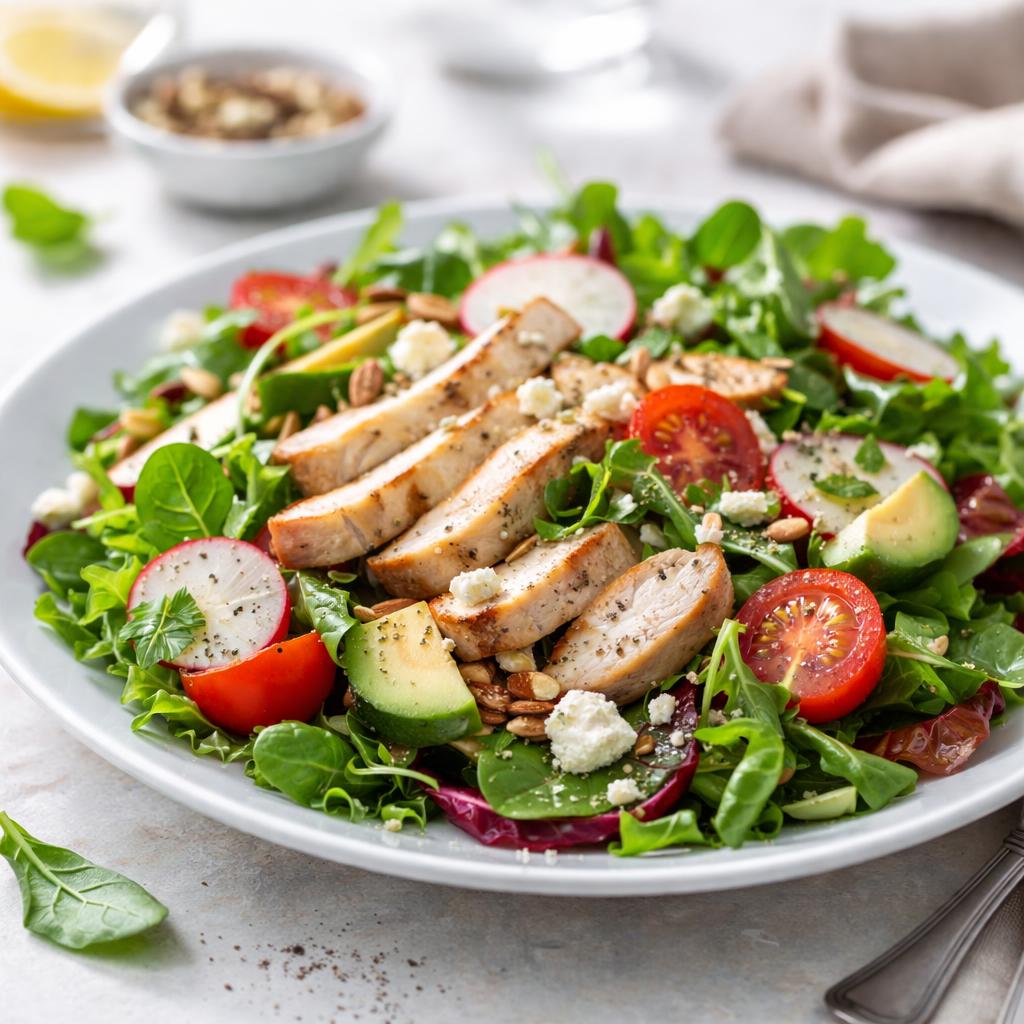
Salad
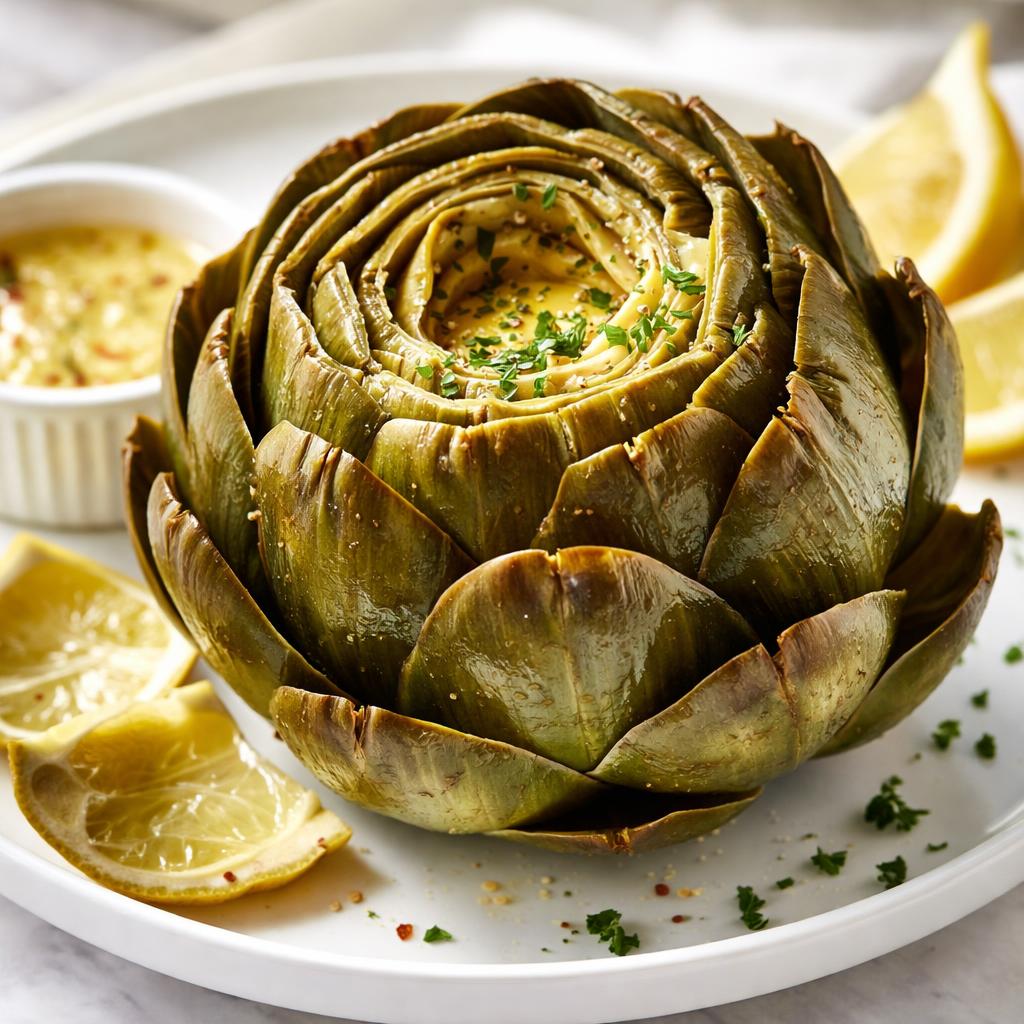
Artichoke
🎯 Quick Verdict
Salad is a lower-calorie, versatile food suitable for light meals, while artichokes provide a higher protein and fiber boost, making them excellent for digestion and satiety. Choose salad for weight management and fresh texture, and opt for artichokes when prioritizing nutrient density and gut health.

Smart Nutrition Tracking with SnapCalorie

📊 Nutritional Comparison
Macronutrients
| Nutrient | Food 1 | Food 2 | Winner |
|---|---|---|---|
| Calories | 90 | 60 | ✓ |
| Protein | 4g | 5g | ✓ |
| Carbs | 6g | 13g | ✓ |
| Fat | 4g | 0.1g | ✓ |
| Fiber | 2g | 7g | ✓ |
Vitamins & Minerals
| Nutrient | Food 1 | Food 2 | Winner |
|---|---|---|---|
| Vitamin C | 15mg | 11mg | ✓ |
| Vitamin K | 50mcg | 15mcg | ✓ |
| Folate | 40mcg | 90mcg | ✓ |
| Potassium | 220mg | 370mg | ✓ |
🏆 Category Winners
Protein
Artichokes contain slightly more protein, making them better for building and repairing tissues.
Fiber
Artichokes are a fiber powerhouse with over 3 times the fiber of salad.
Calories
Salad is lower in calories, ideal for calorie-conscious diets.
Vitamins
Both offer select vitamins; salad excels in vitamin C and K, while artichokes offer more folate and potassium.
🥗 Diet Compatibility
Keto
Food 1: Compatible
Food 2: Compatible
Both are low-carb and keto-friendly foods.
Vegan
Food 1: Compatible
Food 2: Compatible
Both are plant-based and suitable for vegans.
Gluten Free
Food 1: Compatible
Food 2: Compatible
Both are naturally gluten-free.
Paleo
Food 1: Compatible
Food 2: Compatible
Both align with the paleo diet principles.
Low-Carb
Food 1: More Compatible
Food 2: Compatible
Salad is lower in carbs (6g vs 13g), better suited for strict low-carb regimens.
💪 Health Benefits Comparison
Food 1 Benefits
- Supports weight management due to low calorie content
- Rich in vitamin C for bolstering immune health
- High in vitamin K, aiding in bone strength and blood clotting
Food 2 Benefits
- Great source of dietary fiber for improved digestion
- Rich in folate, supporting cellular growth and repair
- Contains potassium which helps regulate heart and muscle function
✅ The Bottom Line
Both salad and artichoke offer unique benefits, with salad focusing on lower calories and vitamins, and artichokes standing out in fiber and protein. Choose salad for light, fresh, weight-loss-friendly meals, and opt for artichokes if prioritizing digestive health and satiety.
Choose Food 1 for: Weight loss, fresh meals, general vitamin intake
Choose Food 2 for: Gut health, staying full longer, nutrient density


