Salad VS Apple Cider Vinegar
A detailed nutritional comparison
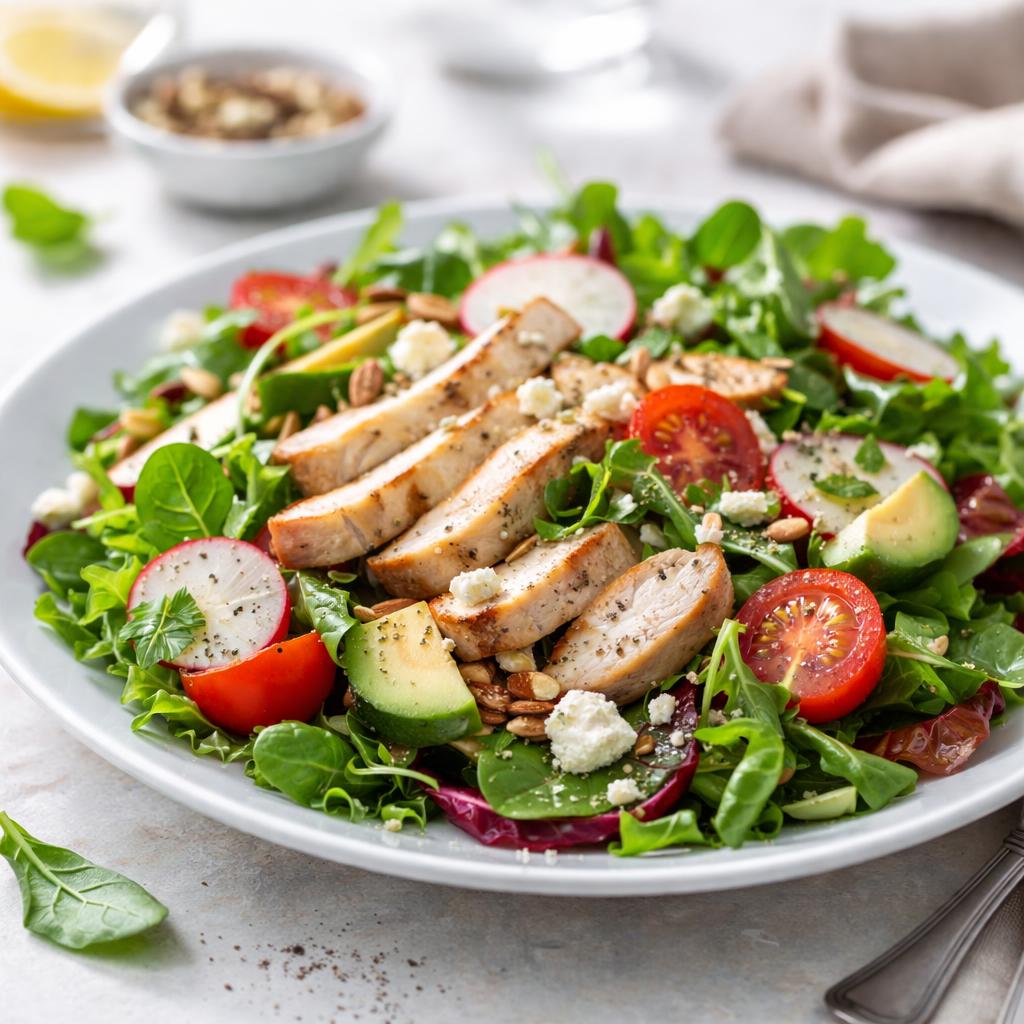
Salad

Apple Cider Vinegar
🎯 Quick Verdict
Salad is nutrient-dense with higher protein and fiber content, making it excellent for weight management and digestion. Apple cider vinegar is calorie-free and known for its digestive and metabolic benefits, but lacks macronutrients. Salad serves as a substantial meal, while apple cider vinegar is better used for flavoring or health benefits in small amounts.

Smart Nutrition Tracking with SnapCalorie

📊 Nutritional Comparison
Macronutrients
| Nutrient | Food 1 | Food 2 | Winner |
|---|---|---|---|
| Calories | 50 | 3 | ✓ |
| Protein | 2g | 0g | ✓ |
| Carbs | 10g | 0g | ✓ |
| Fat | 0.5g | 0g | ✓ |
| Fiber | 3g | 0g | ✓ |
Vitamins & Minerals
| Nutrient | Food 1 | Food 2 | Winner |
|---|---|---|---|
| Vitamin C | 9mg | 0mg | ✓ |
| Vitamin K | 100mcg | 0mcg | ✓ |
| Potassium | 170mg | 11mg | ✓ |
🏆 Category Winners
Protein
Salad contains 2g of protein per serving, while apple cider vinegar has none.
Fiber
Salad provides 3g of fiber, supporting digestion, whereas apple cider vinegar has no fiber.
Calories
Apple cider vinegar is extremely low in calories with only 3 per serving.
Vitamins
Salad offers significant nutrients like Vitamin C, Vitamin K, and potassium, while apple cider vinegar is limited.
🥗 Diet Compatibility
Keto
Food 1: Compatible
Food 2: Compatible
Both are low in carbohydrates and fit within a keto diet.
Vegan
Food 1: Compatible
Food 2: Compatible
Both are plant-based and suitable for vegan diets.
Gluten Free
Food 1: Compatible
Food 2: Compatible
Neither food contains gluten.
Paleo
Food 1: Compatible
Food 2: Compatible
Both are natural, unprocessed foods suitable for paleo diets.
Low Carb
Food 1: Compatible
Food 2: Compatible
Both have low carbohydrate content with apple cider vinegar being carb-free.
💪 Health Benefits Comparison
Food 1 Benefits
- Rich in fiber for improved digestion
- Provides essential vitamins like Vitamin C and Vitamin K for immunity and bone health
- Low-calorie and nutrient-dense, ideal for weight management
- Supports heart health with potassium
Food 2 Benefits
- Aids digestion by promoting healthy stomach acid levels
- May help regulate blood sugar levels
- Contains acetic acid, linked to improved metabolism
- Calorie-free, suitable for weight loss and flavor enhancement
✅ The Bottom Line
Salad is an excellent choice for a filling, nutrient-dense meal that supports overall health, including weight management and digestion. Apple cider vinegar is best used in small quantities as a health aid or flavor enhancer, particularly for digestion and metabolic benefits.
Choose Food 1 for: Meal replacement, weight loss, fiber intake
Choose Food 2 for: Digestive health, flavoring meals, metabolic boost


