Salad VS Almond
A detailed nutritional comparison
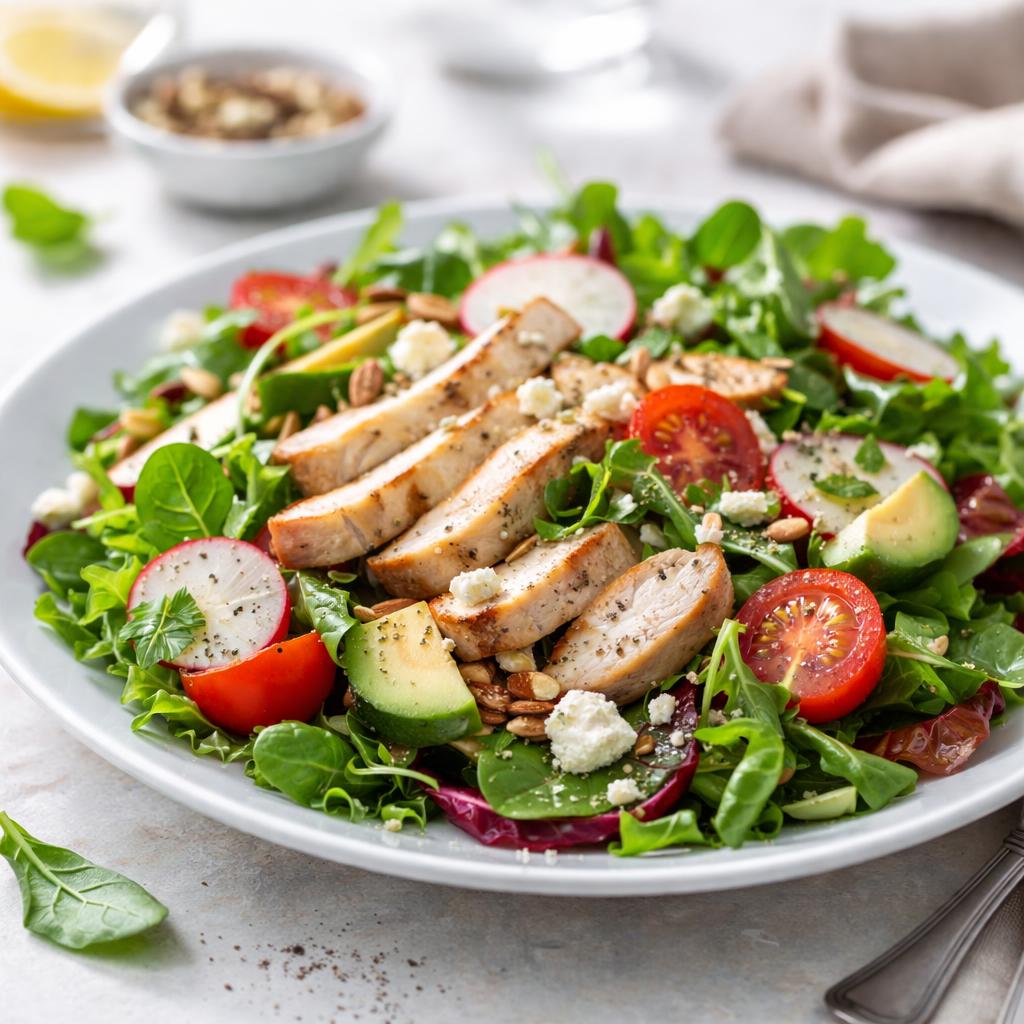
Salad
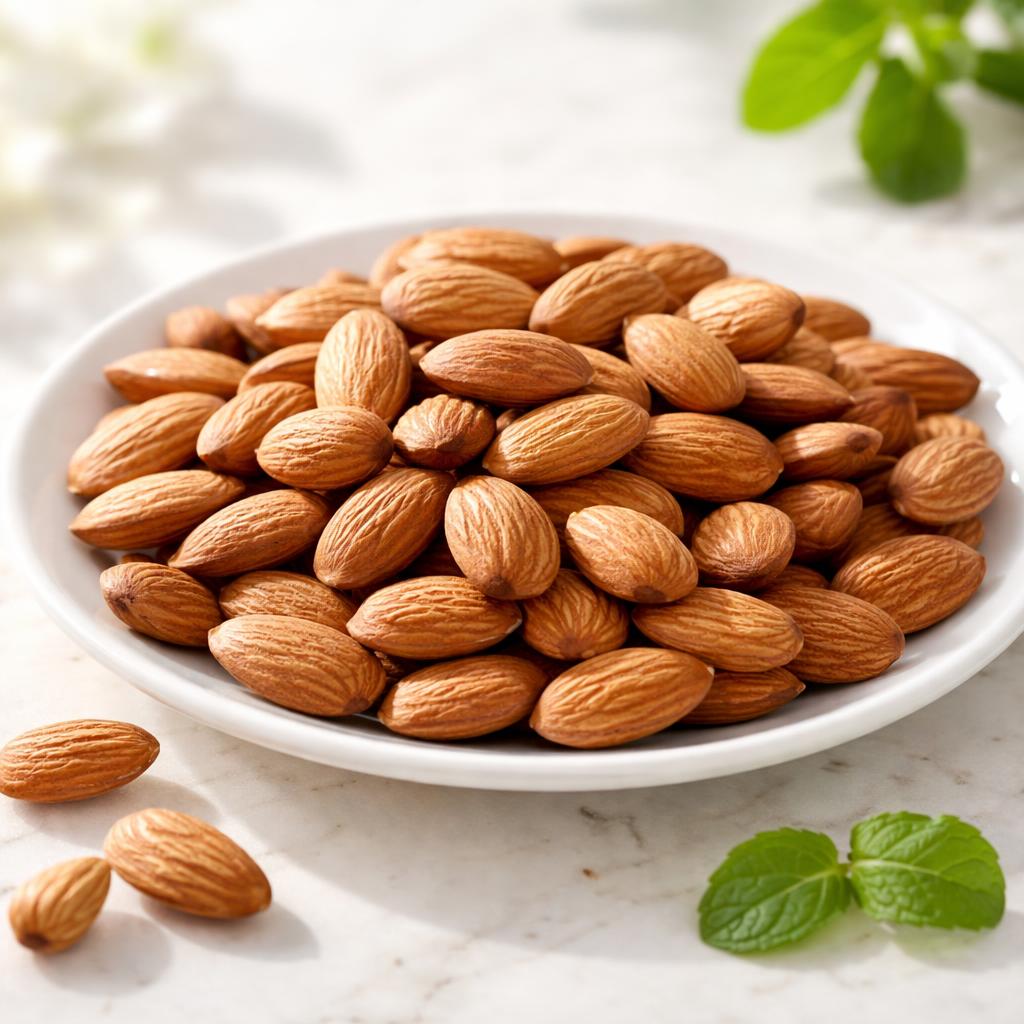
Almond
🎯 Quick Verdict
Salad is a low-calorie, nutrient-dense food ideal for weight-loss diets and getting a variety of vitamins and minerals. Almonds are calorie-dense but packed with protein, healthy fats, and fiber, making them a great option for sustained energy and heart health. Choose salad for light meals and almonds for snacks or energy boosts.

Smart Nutrition Tracking with SnapCalorie

📊 Nutritional Comparison
Macronutrients
| Nutrient | Food 1 | Food 2 | Winner |
|---|---|---|---|
| Calories | 50 | 160 | ✓ |
| Protein | 2g | 6g | ✓ |
| Carbs | 10g | 6g | ✓ |
| Fat | 0.5g | 14g | ✓ |
| Fiber | 2g | 4g | ✓ |
Vitamins & Minerals
| Nutrient | Food 1 | Food 2 | Winner |
|---|---|---|---|
| Vitamin E | 1.5mg | 7.3mg | ✓ |
| Vitamin C | 25mg | 0mg | ✓ |
| Calcium | 40mg | 76mg | ✓ |
| Potassium | 170mg | 200mg | ✓ |
| Iron | 0.5mg | 1.1mg | ✓ |
🏆 Category Winners
Protein
Almonds have 3x the protein per serving compared to salad.
Fiber
Almonds provide twice the fiber of salad, supporting digestion.
Calories
Salad has significantly fewer calories, making it ideal for weight-conscious diets.
Vitamins
Salad excels in Vitamin C while almonds are superior in Vitamin E.
🥗 Diet Compatibility
Keto
Food 1: Not Compatible
Food 2: Compatible
Almonds are low-carb and high-fat, suitable for keto diets.
Vegan
Food 1: Compatible
Food 2: Compatible
Both are plant-based and vegan-friendly.
Gluten Free
Food 1: Compatible
Food 2: Compatible
Neither contains gluten.
Paleo
Food 1: Compatible
Food 2: Compatible
Both align with paleo diet principles.
Low-Carb
Food 1: Not Compatible
Food 2: Compatible
Almonds are much lower in carbs than salad.
💪 Health Benefits Comparison
Food 1 Benefits
- Very low in calories, supporting weight loss
- High in Vitamin C for immune health
- Contains antioxidants and water content for hydration
Food 2 Benefits
- Rich in healthy fats, beneficial for heart health
- Contains protein for muscle repair and growth
- Provides fiber for better digestion and satiety
- Good source of Vitamin E, an antioxidant protecting skin and cells
✅ The Bottom Line
Salad is an excellent choice for those prioritizing weight management and micronutrients, while almonds are perfect for individuals seeking a nutrient-dense energy source or heart health boost. Choose salad for light meals or sides and almonds for snacks or to fuel physical activity.
Choose Food 1 for: Weight loss, hydration, light meals
Choose Food 2 for: Energy boost, heart health, satiety


