Rye Bread VS Wheat Beer
A detailed nutritional comparison
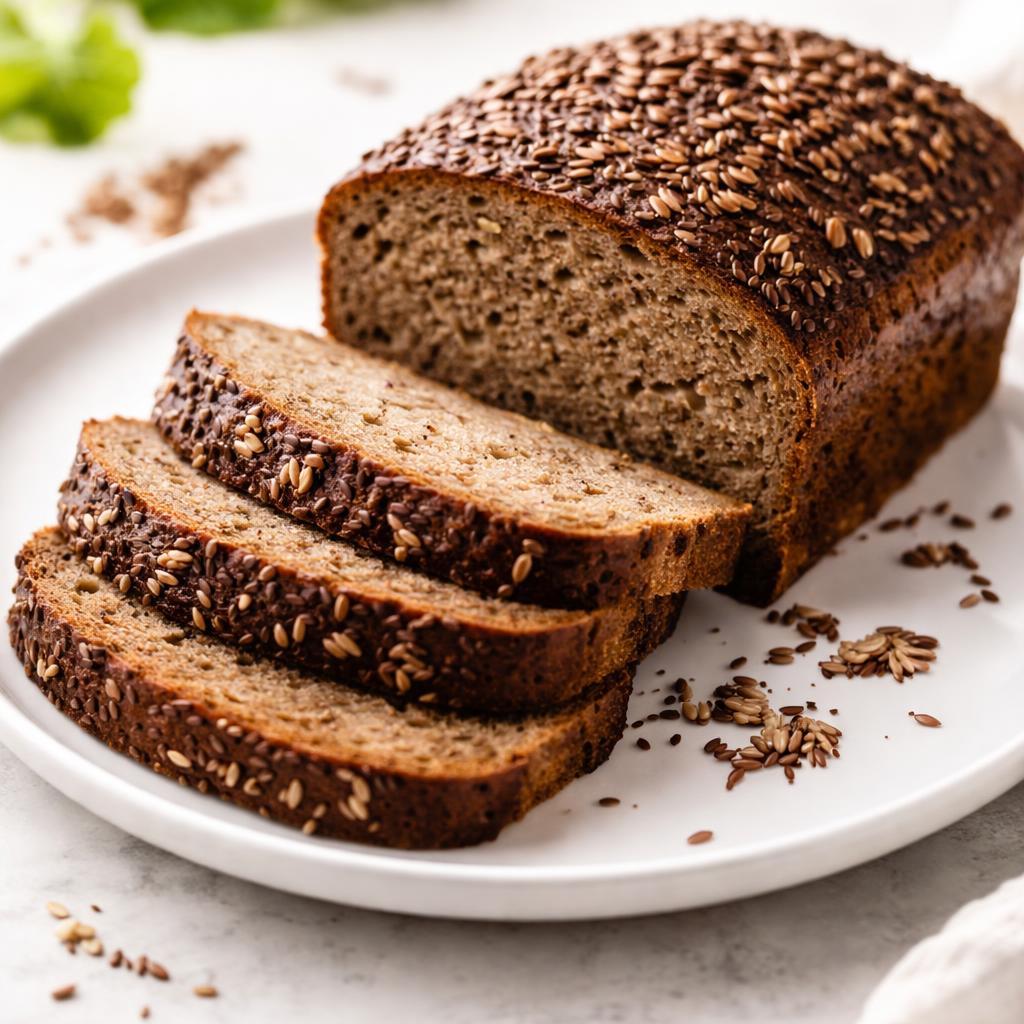
Rye Bread

Wheat Beer
🎯 Quick Verdict
Rye bread is significantly more nutritious than wheat beer, particularly in protein, fiber, and calorie content. Rye bread is ideal for weight management and digestive health, while wheat beer is better suited for occasional indulgence and social occasions due to its liquid calories and antioxidant content from hops and brewing ingredients.

Smart Nutrition Tracking with SnapCalorie

📊 Nutritional Comparison
Macronutrients
| Nutrient | Food 1 | Food 2 | Winner |
|---|---|---|---|
| Calories | 83 calories (per 1 slice, ~slice 32g) | 150 calories (per 12 oz beer) | ✓ |
| Protein | 2.7g | 2g | ✓ |
| Carbs | 15.5g | 12.8g | ✓ |
| Fat | 0.6g | 0g | ✓ |
| Fiber | 1.9g | 0g | ✓ |
Vitamins & Minerals
| Nutrient | Food 1 | Food 2 | Winner |
|---|---|---|---|
| Vitamin B6 | 0.05mg | 0.2mg | ✓ |
| Iron | 0.66mg | 0.1mg | ✓ |
| Magnesium | 20mg | 22mg | ✓ |
🏆 Category Winners
Protein
Rye bread has 35% more protein per serving compared to wheat beer.
Fiber
Rye bread contains 1.9g of fiber per slice, while wheat beer has none.
Calories
Rye bread has nearly 45% fewer calories per serving than wheat beer.
Vitamins
Wheat beer contains more Vitamin B6 (essential for metabolism) than rye bread.
🥗 Diet Compatibility
Keto
Food 1: Not Compatible
Food 2: Not Compatible
Both foods are high in carbs.
Vegan
Food 1: Compatible
Food 2: Compatible
Neither contains animal products.
Gluten Free
Food 1: Not Compatible
Food 2: Not Compatible
Both contain gluten from rye or wheat.
Paleo
Food 1: Not Compatible
Food 2: Not Compatible
Processed grains and alcohol are not considered paleo-friendly.
Low Carb
Food 1: Not Compatible
Food 2: Not Compatible
Both foods exceed typical low-carb limits of ~5g carbs per serving.
💪 Health Benefits Comparison
Food 1 Benefits
- Rich in fiber, supporting healthy digestion and satiety.
- Offers moderate protein for muscle maintenance and repair.
- Provides iron for oxygen transport in blood.
Food 2 Benefits
- Contains antioxidants derived from hops and brewing ingredients.
- Provides magnesium, which supports muscle health and relaxation.
- Moderate Vitamin B6 content for metabolic function.
✅ The Bottom Line
Rye bread is the better choice for everyday nutrition with its lower calorie count, higher protein and fiber content, and essential micronutrients. Wheat beer, while less nutritious, can be enjoyed as a treat for its antioxidants and social appeal. Choose rye bread for weight control and gut health, and wheat beer for occasional relaxation or celebrations.
Choose Food 1 for: Daily meals, high-fiber diets, weight management
Choose Food 2 for: Social gatherings, relaxation, antioxidant intake


