Rye Bread VS Turkish Bread
A detailed nutritional comparison
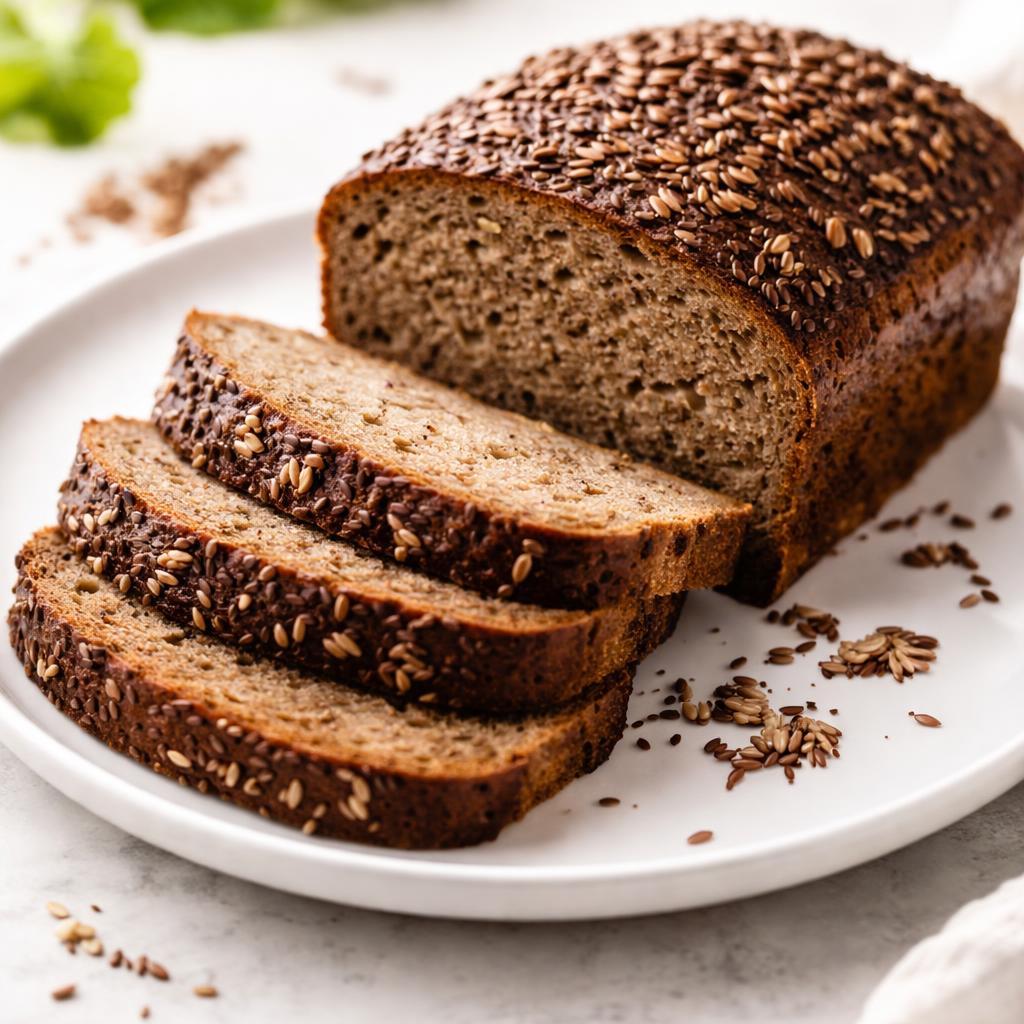
Rye Bread
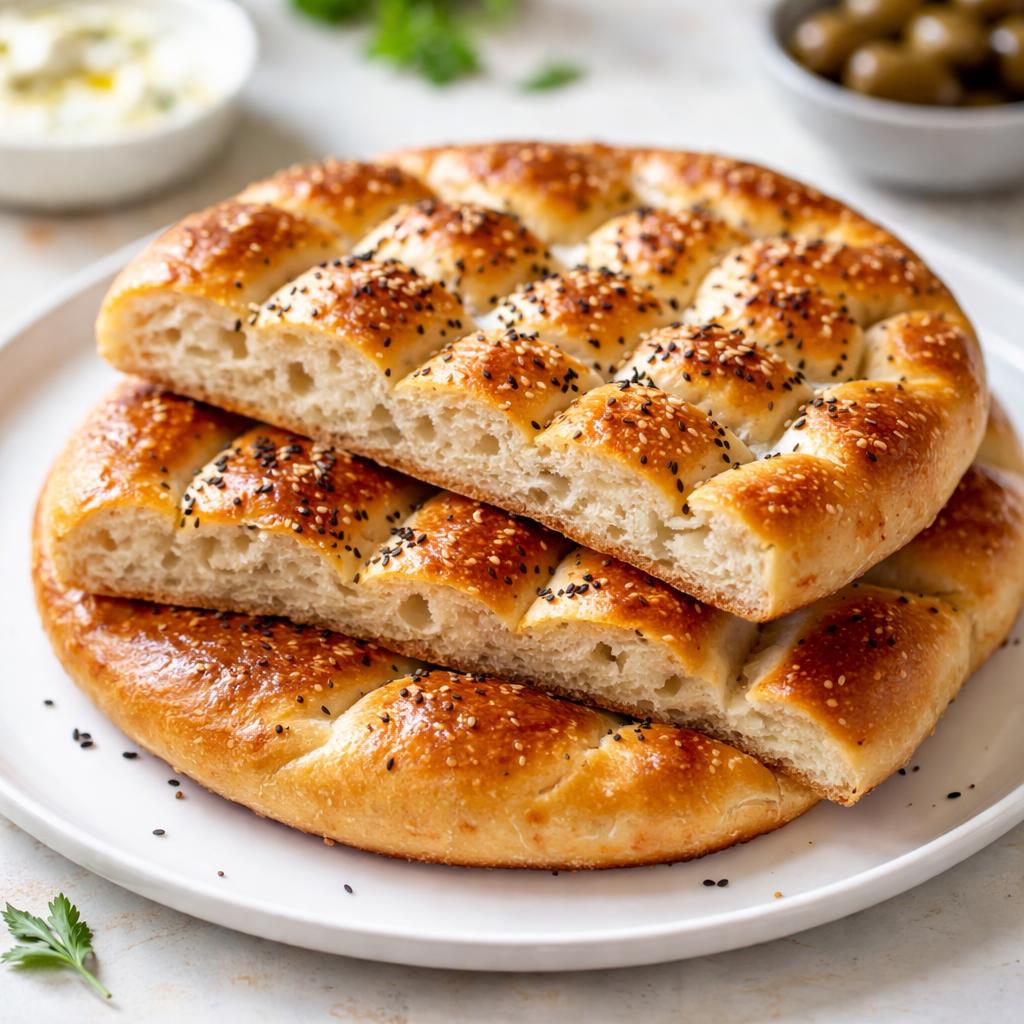
Turkish Bread
🎯 Quick Verdict
Rye bread is generally more nutrient-dense, offering higher protein, more fiber, and fewer calories than Turkish bread. Turkish bread is typically lower in nutritional density but can provide a quick source of energy due to higher carbohydrate content. Rye bread is better suited for health-conscious diets, while Turkish bread is ideal for energy needs or pairing with dips and meals.

Smart Nutrition Tracking with SnapCalorie

📊 Nutritional Comparison
Macronutrients
| Nutrient | Food 1 | Food 2 | Winner |
|---|---|---|---|
| Calories | 80 per slice (30g) | 150 per serving (50g) | ✓ |
| Protein | 2.7g | 2g | ✓ |
| Carbs | 15.5g | 31g | ✓ |
| Fat | 0.3g | 1g | ✓ |
| Fiber | 2.2g | 1g | ✓ |
Vitamins & Minerals
| Nutrient | Food 1 | Food 2 | Winner |
|---|---|---|---|
| Vitamin B6 | 0.1mg | Trace amounts | ✓ |
| Iron | 0.4mg | 0.3mg | ✓ |
| Calcium | 100mg | 50mg | ✓ |
🏆 Category Winners
Protein
Rye bread contains approximately 35% more protein per serving compared to Turkish bread.
Fiber
Rye bread provides more than double the fiber content of Turkish bread.
Calories
Rye bread is significantly lower in calories per serving, making it a better choice for calorie-conscious eaters.
Vitamins
Rye bread contains more beneficial micronutrients like calcium, iron, and vitamin B6.
🥗 Diet Compatibility
Keto
Food 1: Not Compatible
Food 2: Not Compatible
Both foods are high in carbohydrates and unsuitable for ketogenic diets.
Vegan
Food 1: Compatible
Food 2: Compatible
Neither bread contains animal-based ingredients.
Gluten Free
Food 1: Not Compatible
Food 2: Not Compatible
Both breads contain gluten and are not safe for gluten-intolerant individuals.
Paleo
Food 1: Not Compatible
Food 2: Not Compatible
Grains are excluded in paleo diets.
Low Carb
Food 1: Moderately Compatible
Food 2: Not Compatible
Rye bread is relatively lower in carbs compared to Turkish bread, but still not ideal for strict low-carb diets.
💪 Health Benefits Comparison
Food 1 Benefits
- High fiber content supports digestive health.
- Contains beneficial micronutrients like iron and calcium for overall health.
- Lower calorie option aids weight management.
Food 2 Benefits
- Quick source of energy due to high carbohydrate content.
- Soft texture and neutral flavor pair well with various meals.
- Provides some essential nutrients, including iron and calcium.
✅ The Bottom Line
Rye bread is a more nutrient-packed choice for those prioritizing health, weight management, or fiber intake. Turkish bread is better suited for energy needs or as an accompaniment to meals, particularly during high-activity days. Both can be enjoyed within balanced diets but have different roles based on individual dietary goals.
Choose Food 1 for: Weight management, digestive health, nutrient density.
Choose Food 2 for: Energy fueling, versatile meal pairing, casual consumption.


