Rye Bread VS Sourdough Bread Slice
A detailed nutritional comparison
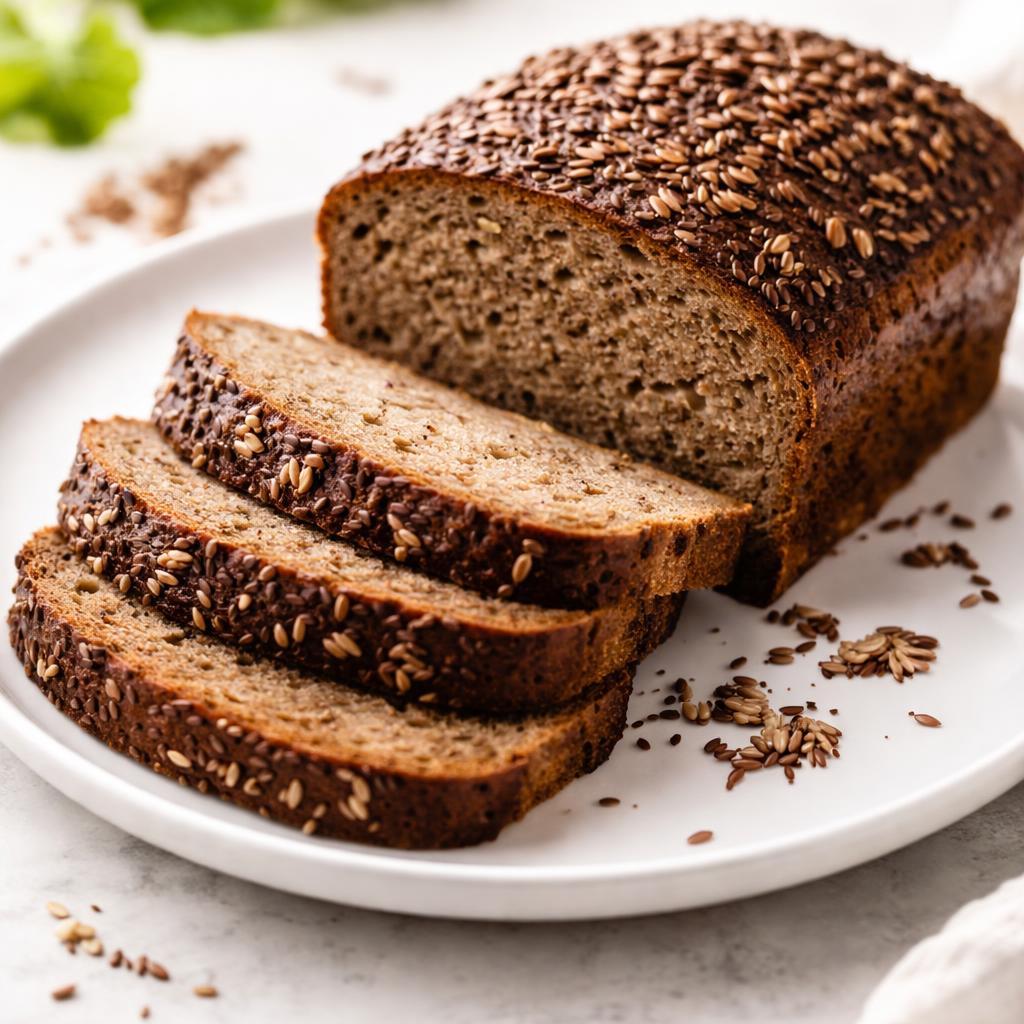
Rye Bread
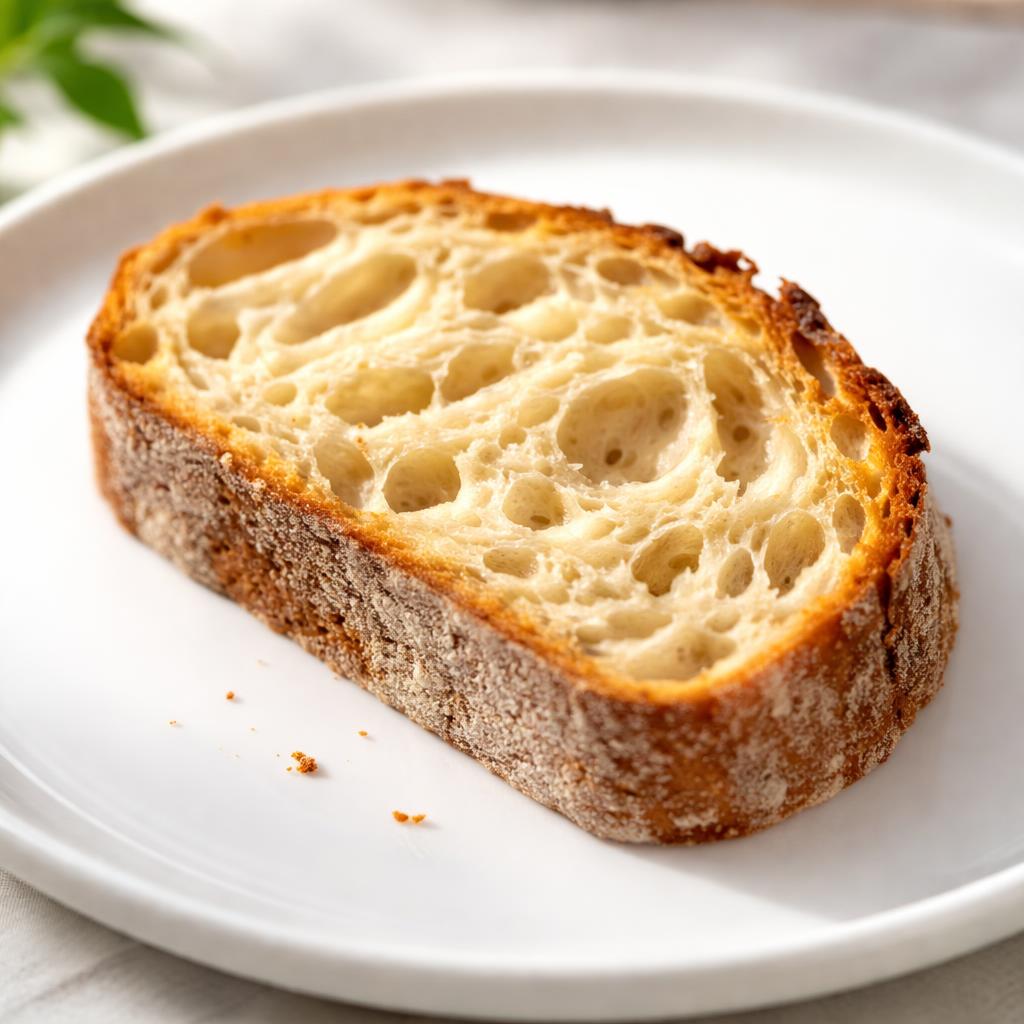
Sourdough Bread Slice
🎯 Quick Verdict
Rye bread and sourdough bread both provide valuable nutrition, but differ slightly in their macro and micronutrient profiles. Rye bread is higher in protein, fiber, and lower in calories, making it better for weight loss and digestion. Sourdough offers more minerals and is easier to digest due to natural fermentation, making it ideal for individuals with sensitive stomachs or seeking gut-health benefits.

Smart Nutrition Tracking with SnapCalorie

📊 Nutritional Comparison
Macronutrients
| Nutrient | Food 1 | Food 2 | Winner |
|---|---|---|---|
| Calories | 83 | 120 | − |
| Protein | 2.7g | 4g | − |
| Carbs | 15.5g | 20g | − |
| Fat | 0.8g | 0.9g | − |
| Fiber | 1.9g | 0.8g | − |
Vitamins & Minerals
| Nutrient | Food 1 | Food 2 | Winner |
|---|---|---|---|
| Vitamin D | 0mcg | 0mcg | − |
| Calcium | 22mg | 80mg | − |
| Iron | 0.55mg | 0.7mg | − |
🏆 Category Winners
Protein
Rye bread has slightly more protein per slice compared to sourdough.
Fiber
Rye bread contains over twice as much fiber as sourdough bread, aiding digestion.
Calories
Rye bread is lower in calories, better suited for calorie-conscious diets.
🥗 Diet Compatibility
Keto
Food 1: Not Compatible
Food 2: Not Compatible
Both breads contain higher levels of carbs, unsuitable for keto diets.
Vegan
Food 1: Compatible
Food 2: Compatible
Both are vegan-friendly if made without dairy or eggs.
Gluten Free
Food 1: Not Compatible
Food 2: Not Compatible
Both breads contain gluten.
Paleo
Food 1: Not Compatible
Food 2: Not Compatible
Grain-based breads are excluded from the paleo diet.
Low-Carb
Food 1: Partially Compatible
Food 2: Not Compatible
Rye bread has fewer carbs and may work for moderate low-carb diets, but sourdough is higher in carbs.
💪 Health Benefits Comparison
Food 1 Benefits
- High fiber content supports digestive health.
- Lower calorie density aids weight loss efforts.
- Rich in antioxidants from rye grains.
Food 2 Benefits
- Fermentation improves gut health and digestibility.
- Contains more minerals like calcium and iron.
- May support blood sugar control due to slower digestion.
✅ The Bottom Line
Both rye bread and sourdough bread have their strengths. Rye bread excels in fiber, lower calorie content, and weight loss applications, making it optimal for those managing weight or improving digestion. Sourdough's rich mineral content and gut-friendly fermentation process make it ideal for nutrient density and individuals with sensitive stomachs.
Choose Food 1 for: Weight loss, digestion improvement, moderate low-carb diets
Choose Food 2 for: Gut health, nutrient density, high-energy needs


