Rye Bread VS Bread Slices
A detailed nutritional comparison
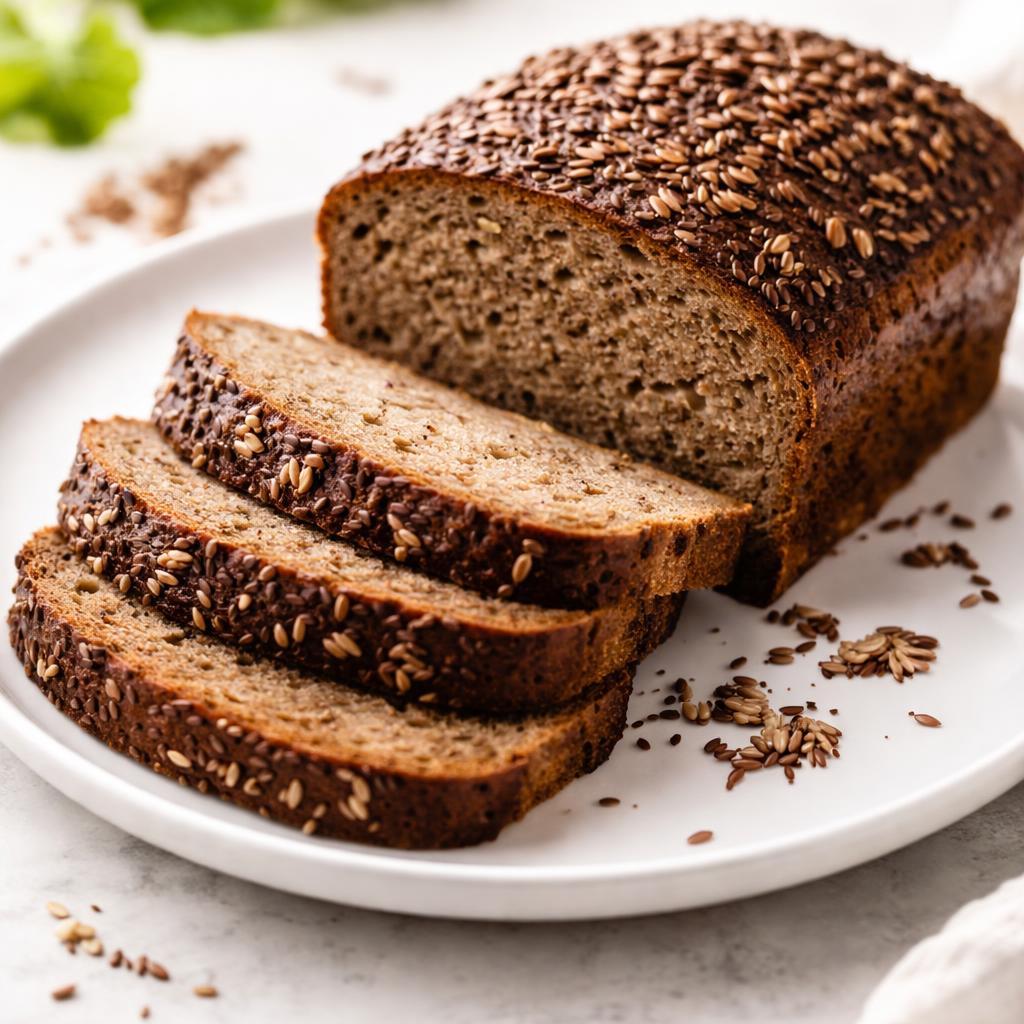
Rye Bread
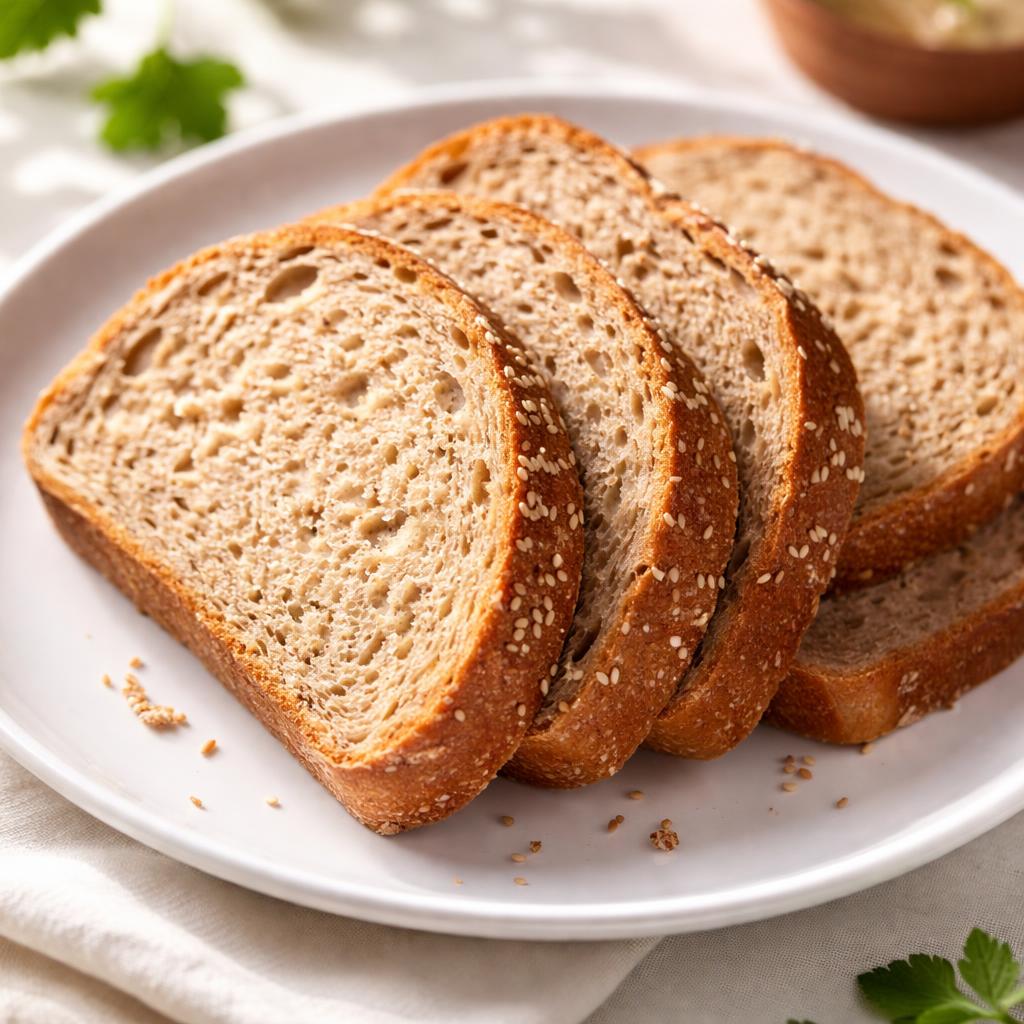
Bread Slices
🎯 Quick Verdict
Rye bread has fewer calories, more protein, and significantly more fiber than traditional bread slices, making it a better option for those seeking a nutrient-dense and high-fiber choice. Bread slices, on the other hand, offer more carbohydrates, making them suitable for quick energy needs or individuals not focusing on weight loss or fiber intake.

Smart Nutrition Tracking with SnapCalorie

📊 Nutritional Comparison
Macronutrients
| Nutrient | Food 1 | Food 2 | Winner |
|---|---|---|---|
| Calories | 83 per slice (40g) | 95 per slice (40g) | ✓ |
| Protein | 2.7g | 2g | ✓ |
| Carbs | 15g | 17g | ✓ |
| Fat | 0.8g | 1g | ✓ |
| Fiber | 2g | 0.5g | ✓ |
Vitamins & Minerals
| Nutrient | Food 1 | Food 2 | Winner |
|---|---|---|---|
| Vitamin B1 (Thiamine) | 0.1mg | 0.08mg | ✓ |
| Vitamin B2 (Riboflavin) | 0.05mg | 0.06mg | ✓ |
| Iron | 0.7mg | 0.6mg | ✓ |
🏆 Category Winners
Protein
Rye bread contains 35% more protein per serving than bread slices.
Fiber
Rye bread offers four times more fiber per serving.
Calories
Rye bread has 12% fewer calories per slice.
🥗 Diet Compatibility
Keto
Food 1: Not Compatible
Food 2: Not Compatible
Both are high-carb and not suitable for keto.
Vegan
Food 1: Compatible
Food 2: Compatible
Both are typically vegan-friendly, unless made with non-vegan additives.
Gluten Free
Food 1: Not Compatible
Food 2: Not Compatible
Both contain gluten as they are made with wheat or rye flour.
Paleo
Food 1: Not Compatible
Food 2: Not Compatible
Bread is not allowed on a paleo diet due to grain content.
Low-Carb
Food 1: Not Compatible
Food 2: Not Compatible
Both are relatively high in carbohydrates.
💪 Health Benefits Comparison
Food 1 Benefits
- Higher fiber content aids digestion and gut health.
- Provides more protein to support muscle maintenance.
- Contains fewer calories, helpful for weight management.
Food 2 Benefits
- Quick source of energy with higher carbohydrate content.
- Offers small amounts of B vitamins for energy metabolism.
- Good option for light, everyday use when fiber is less of a priority.
✅ The Bottom Line
Rye bread is the better option for individuals focused on weight loss, higher fiber intake, and nutrient density. Bread slices are more suitable for quick energy needs or when texture and versatility are prioritized. Both options are easy-to-access daily staples depending on dietary goals.
Choose Food 1 for: Weight loss, digestive health, protein-focused diets
Choose Food 2 for: Energy bursts, everyday convenience, general use


