Rolled Oats VS Raw Rice
A detailed nutritional comparison
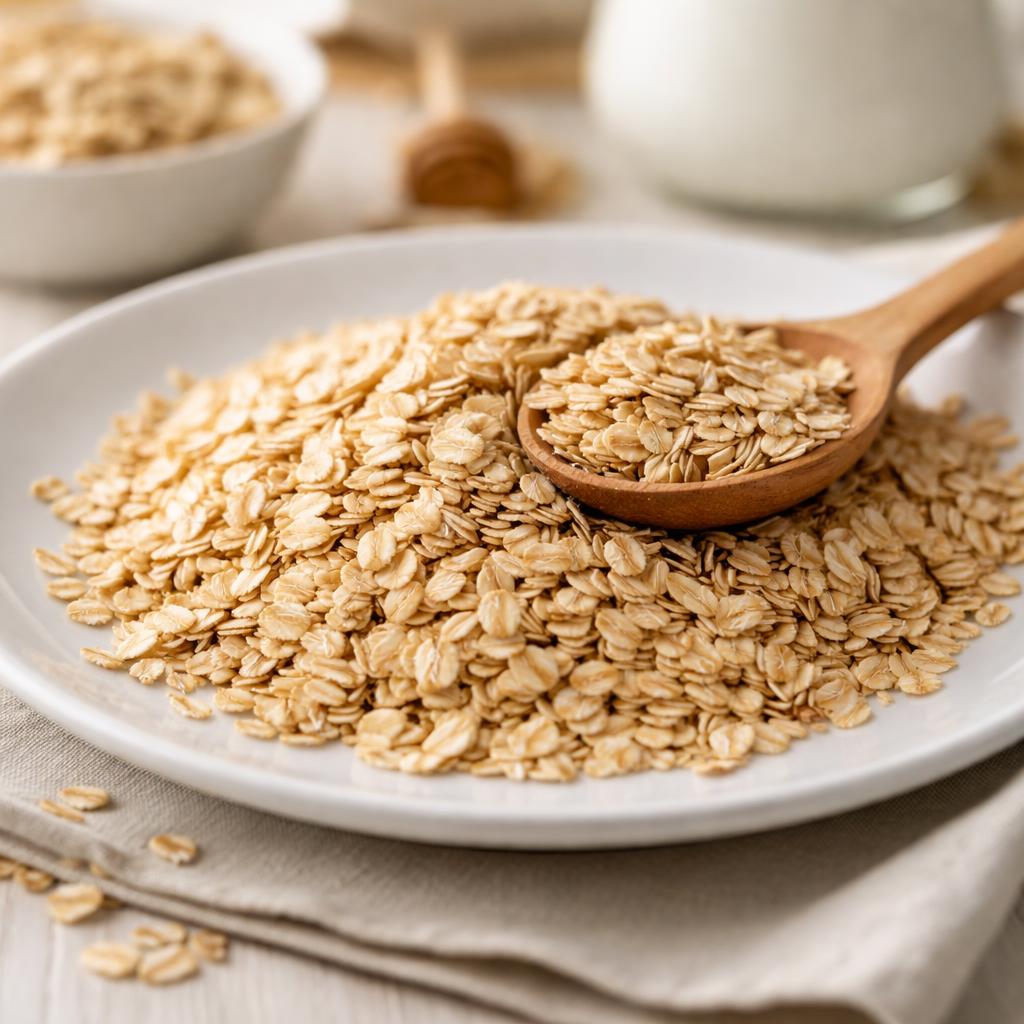
Rolled Oats
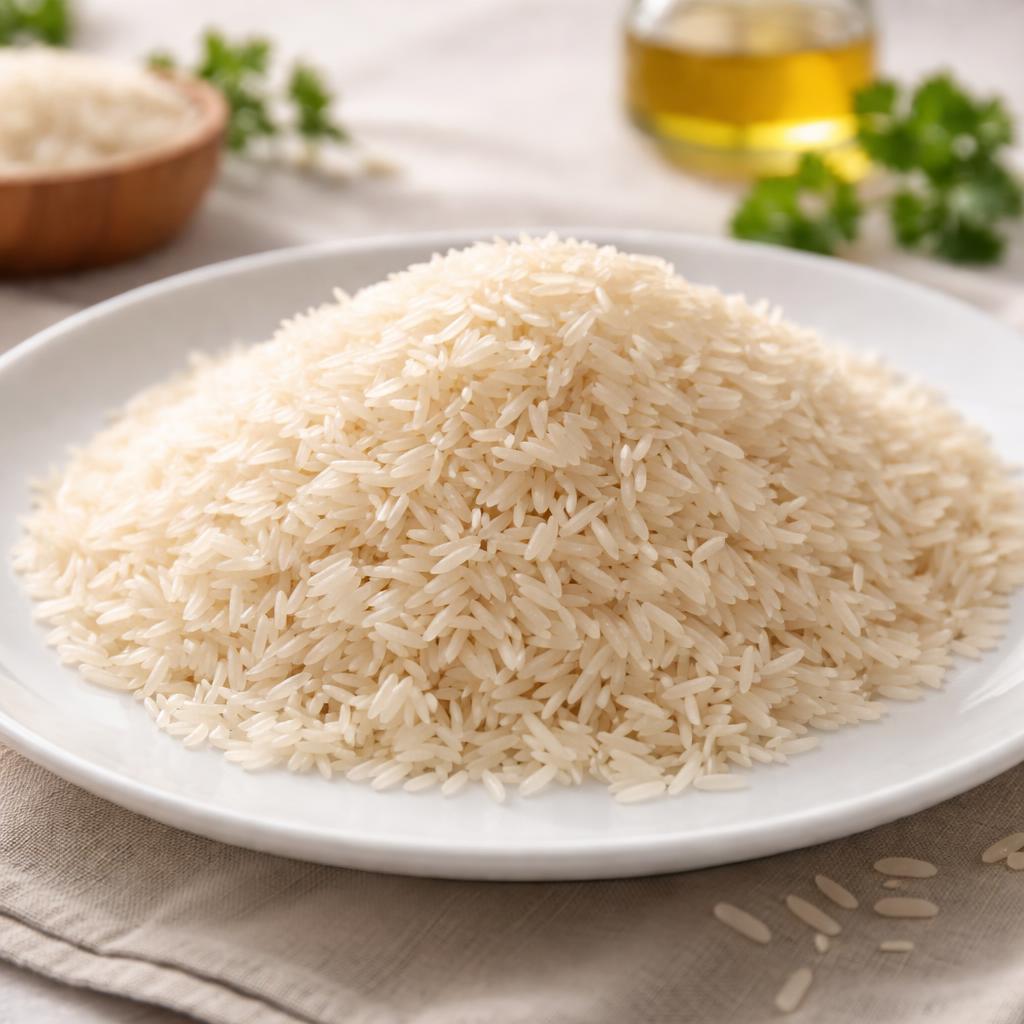
Raw Rice
🎯 Quick Verdict
Rolled oats provide significantly more protein, fiber, and micronutrients compared to raw rice, making them an excellent choice for energy and overall health. Raw rice, with fewer calories, is better suited for lighter meals and energy-focused diets. Both are versatile staples for different dietary needs.

Smart Nutrition Tracking with SnapCalorie

📊 Nutritional Comparison
Macronutrients
| Nutrient | Food 1 | Food 2 | Winner |
|---|---|---|---|
| Calories | 150 kcal (per 40g) | 130 kcal (per 40g) | ✓ |
| Protein | 5g | 2g | ✓ |
| Carbs | 27g | 28g | ✓ |
| Fat | 3g | 0.3g | ✓ |
| Fiber | 4g | 0.2g | ✓ |
Vitamins & Minerals
| Nutrient | Food 1 | Food 2 | Winner |
|---|---|---|---|
| Vitamin D | 0mcg | 0mcg | − |
| Calcium | 15mg | 6mg | ✓ |
| Iron | 1.5mg | 0.2mg | ✓ |
🏆 Category Winners
Protein
Rolled oats provide 2.5x more protein than raw rice.
Fiber
Rolled oats contain 20x more fiber than raw rice, aiding digestion significantly.
Calories
Raw rice has 13% fewer calories per serving (40g).
🥗 Diet Compatibility
Keto
Food 1: Not Compatible
Food 2: Not Compatible
Both are high-carb and unsuitable for keto.
Vegan
Food 1: Compatible
Food 2: Compatible
Both are plant-based foods.
Gluten Free
Food 1: Compatible
Food 2: Compatible
Neither contains gluten.
Paleo
Food 1: Not Compatible
Food 2: Compatible
Rolled oats are processed and excluded in strict paleo diets, but raw rice is acceptable.
Low-Carb
Food 1: Not Compatible
Food 2: Not Compatible
Both foods are high in carbohydrates.
💪 Health Benefits Comparison
Food 1 Benefits
- High in fiber, promoting better digestion
- Provides long-lasting energy for active lifestyles
- Good source of iron for supporting blood health
- Contains beta-glucans, which may lower cholesterol
Food 2 Benefits
- Low in fat, suitable for low-fat diets
- Provides quick energy with high carbohydrate content
- Contains small amounts of vitamins and minerals
- Easy to digest and gentle on the stomach
✅ The Bottom Line
Rolled oats are a nutrient-dense option for those seeking high protein, fiber, and micronutrients, making them ideal for sustained energy and overall health. Raw rice, with fewer calories and a higher carbohydrate content, is better for quick energy and light meals. Choose oats for health and versatility, but rice for simplicity and calorie-conscious meals.
Choose Food 1 for: Energy, muscle maintenance, digestion, cholesterol management
Choose Food 2 for: Light meals, quick energy, low-fat diets


