Rolled Oats VS French Bread
A detailed nutritional comparison
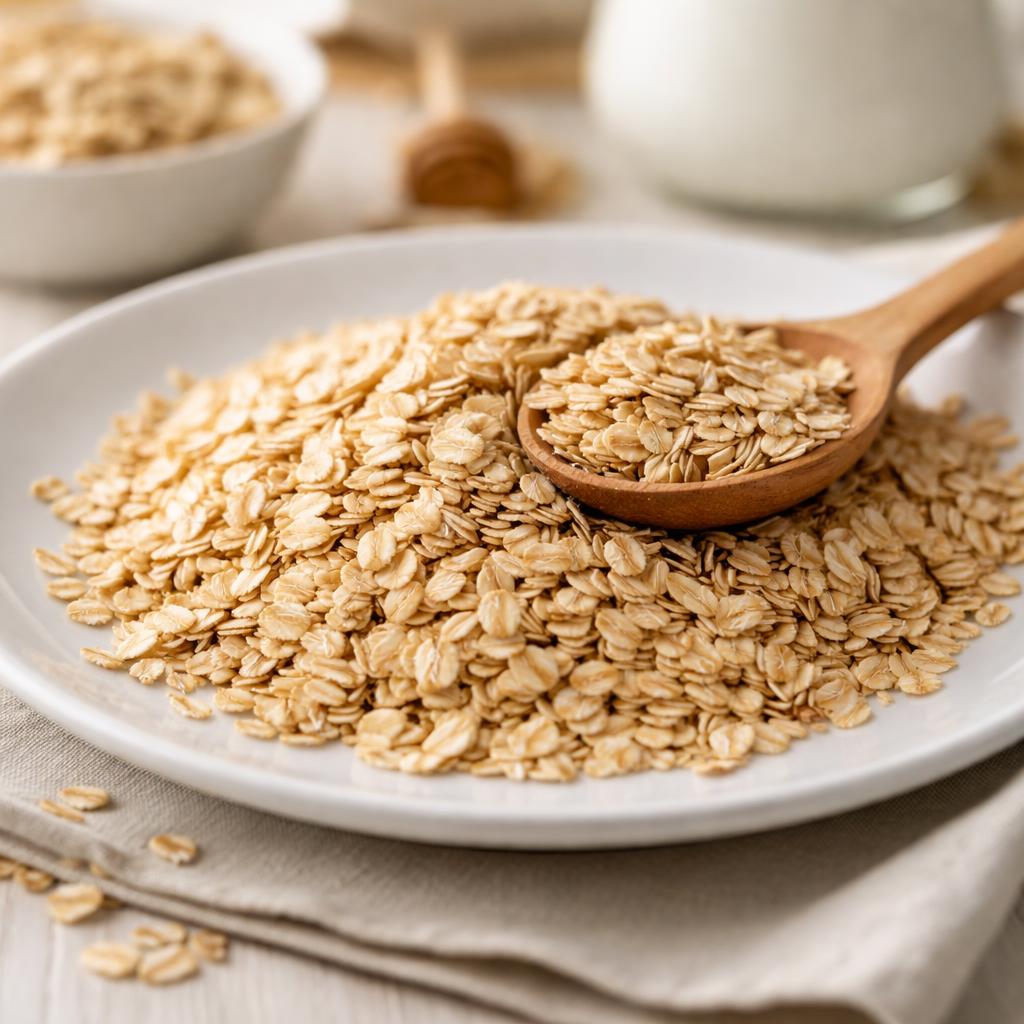
Rolled Oats

French Bread
🎯 Quick Verdict
Rolled oats are nutritionally denser, offering higher protein and fiber, while being lower in calories compared to French bread. French bread is higher in carbohydrates and provides fast energy but lacks key nutrients such as fiber. Rolled oats are ideal for sustained energy and digestive health, whereas French bread is better suited for quick carbohydrate replenishment.

Smart Nutrition Tracking with SnapCalorie

📊 Nutritional Comparison
Macronutrients
| Nutrient | Food 1 | Food 2 | Winner |
|---|---|---|---|
| Calories | 150 (1/2 cup cooked) | 200 (1 slice) | ✓ |
| Protein | 5g | 4g | ✓ |
| Carbs | 27g | 38g | ✓ |
| Fat | 3g | 0.8g | ✓ |
| Fiber | 4g | 1g | ✓ |
Vitamins & Minerals
| Nutrient | Food 1 | Food 2 | Winner |
|---|---|---|---|
| Vitamin D | 0mcg | 0mcg | − |
| Calcium | 20mg | 25mg | ✓ |
| Iron | 1.8mg | 1mg | ✓ |
🏆 Category Winners
Protein
Rolled oats provide slightly more protein per serving.
Fiber
Oats contain 4 times more fiber than French bread.
Calories
Food1 has fewer calories per serving.
Vitamins
Both have limited vitamin content but provide small amounts of calcium and iron.
🥗 Diet Compatibility
Keto
Food 1: Not Compatible
Food 2: Not Compatible
Both foods are high in carbs.
Vegan
Food 1: Compatible
Food 2: Compatible
Neither contain animal products.
Gluten Free
Food 1: Compatible
Food 2: Not Compatible
Rolled oats are gluten-free if certified, while French bread contains gluten.
Paleo
Food 1: Not Compatible
Food 2: Not Compatible
Both are grains, which are excluded in a paleo diet.
Low Carb
Food 1: Not Compatible
Food 2: Not Compatible
Both have high carbohydrate content.
💪 Health Benefits Comparison
Food 1 Benefits
- Excellent source of fiber for digestive health
- Provides sustained energy due to complex carbs
- Rich in beta-glucan to support heart health
- Contains essential minerals like iron and magnesium
Food 2 Benefits
- Quick source of energy due to simple carbohydrates
- Low in fat, suitable for low-fat diets
- Provides small amounts of calcium for bone health
- Easy to digest, ideal for post-workout or quick meals
✅ The Bottom Line
Choose rolled oats when you need sustained energy, fiber, and a nutritious base for meals like breakfast or snacks. Opt for French bread when you need quick energy or prefer a lighter, low-fat option for sandwiches or as a side. Oats are generally a more nutrient-packed choice, while French bread is better for short-term carbohydrate needs.
Choose Food 1 for: Digestive health, sustained energy, nutrient-dense meals
Choose Food 2 for: Quick energy replenishment, side dishes, light carb intake


