Rigatoni Pasta VS Whole Grain Pasta
A detailed nutritional comparison
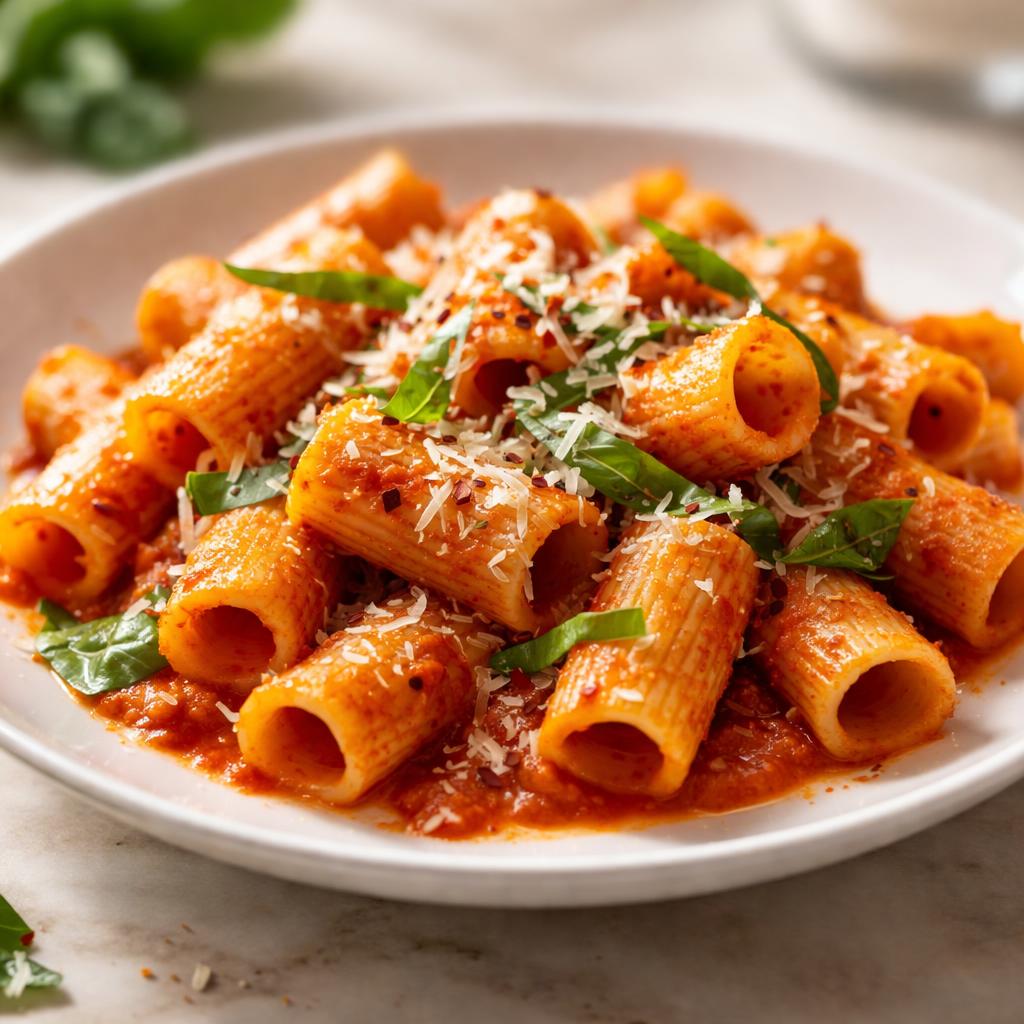
Rigatoni Pasta
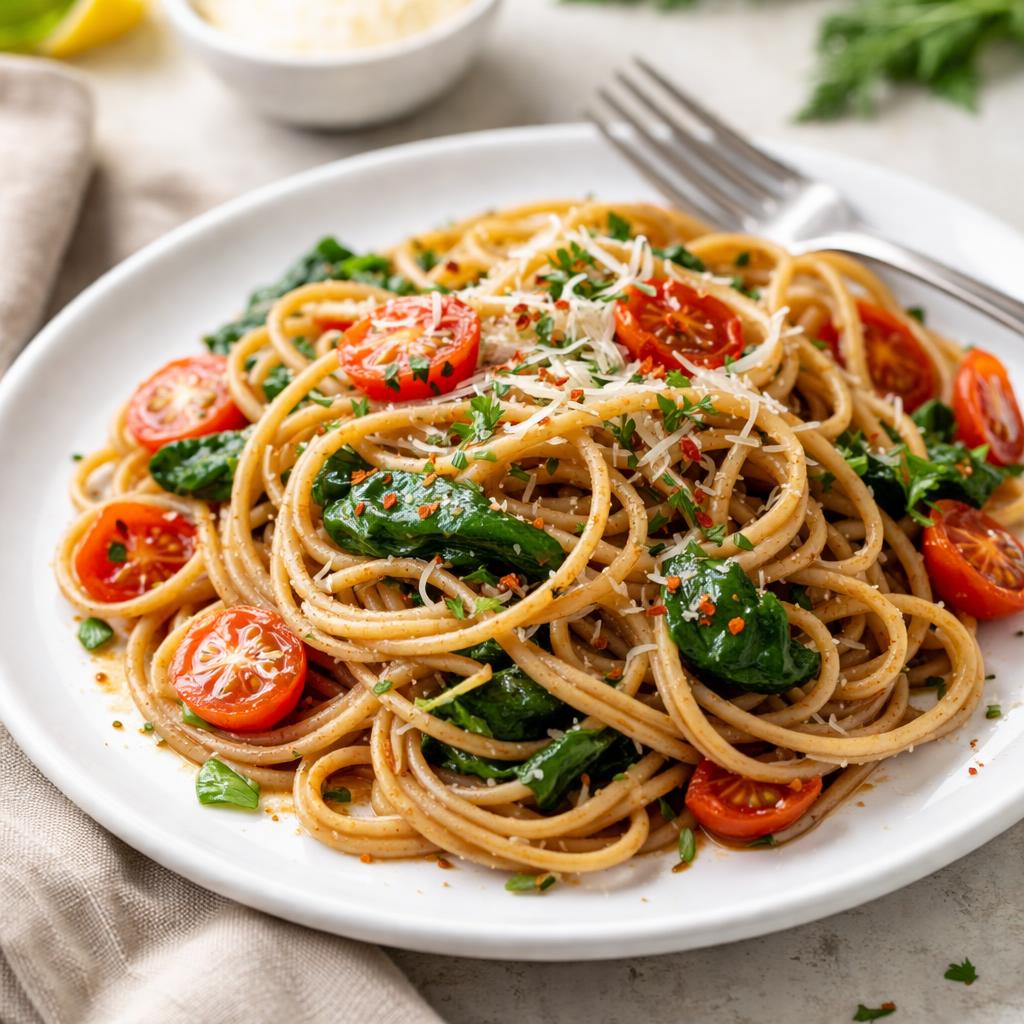
Whole Grain Pasta
🎯 Quick Verdict
Whole grain pasta has a better nutritional profile overall compared to rigatoni pasta, offering higher protein, fiber, and fewer calories per serving. Rigatoni pasta, while lower in nutrients, is a good option for those seeking refined carbohydrates. Whole grain pasta is more suited for health-conscious diets, promoting improved digestion and sustained energy levels.

Smart Nutrition Tracking with SnapCalorie

📊 Nutritional Comparison
Macronutrients
| Nutrient | Food 1 | Food 2 | Winner |
|---|---|---|---|
| Calories | 220 | 180 | ✓ |
| Protein | 7g | 8g | ✓ |
| Carbs | 43g | 40g | ✓ |
| Fat | 1g | 1.2g | − |
| Fiber | 2g | 5g | ✓ |
Vitamins & Minerals
| Nutrient | Food 1 | Food 2 | Winner |
|---|---|---|---|
| Vitamin B1 (Thiamine) | 0.14mg | 0.2mg | ✓ |
| Iron | 1.1mg | 3.6mg | ✓ |
| Magnesium | 12mg | 45mg | ✓ |
🏆 Category Winners
Protein
Whole grain pasta has slightly more protein per serving than rigatoni pasta.
Fiber
Whole grain pasta provides 150% more fiber than rigatoni pasta.
Calories
Whole grain pasta is lower in calories, benefiting weight management goals.
Vitamins
Whole grain pasta is richer in iron, magnesium, and thiamine compared to rigatoni pasta.
🥗 Diet Compatibility
Keto
Food 1: Not Compatible
Food 2: Not Compatible
Both options are high-carb, typical of pasta.
Vegan
Food 1: Compatible
Food 2: Compatible
Neither contains animal products.
Gluten Free
Food 1: Not Compatible
Food 2: Not Compatible
Both are wheat-based and therefore not gluten-free.
Paleo
Food 1: Not Compatible
Food 2: Not Compatible
Pasta is not allowed on the paleo diet.
Low-Carb
Food 1: Not Compatible
Food 2: Not Compatible
Both are high in carbohydrates, making them unsuitable for low-carb diets.
💪 Health Benefits Comparison
Food 1 Benefits
- Quick source of energy from carbohydrates
- Low in fat
- Neutral flavor enhances versatility in recipes
Food 2 Benefits
- High in fiber, supporting digestion and gut health
- Richer in protein for sustained energy and muscle health
- Contains essential minerals like magnesium and iron
✅ The Bottom Line
Whole grain pasta is nutritionally superior to rigatoni pasta, providing more fiber, protein, and critical vitamins and minerals while being lower in calories. Choose rigatoni for traditional pasta dishes with refined texture, and opt for whole grain pasta to support digestive health, heart health, and nutrient-dense meals.
Choose Food 1 for: Traditional pasta dishes, comfort foods, quick energy
Choose Food 2 for: Health-conscious meals, weight management, nutrient-rich diets


