Rigatoni Pasta VS White Bread
A detailed nutritional comparison
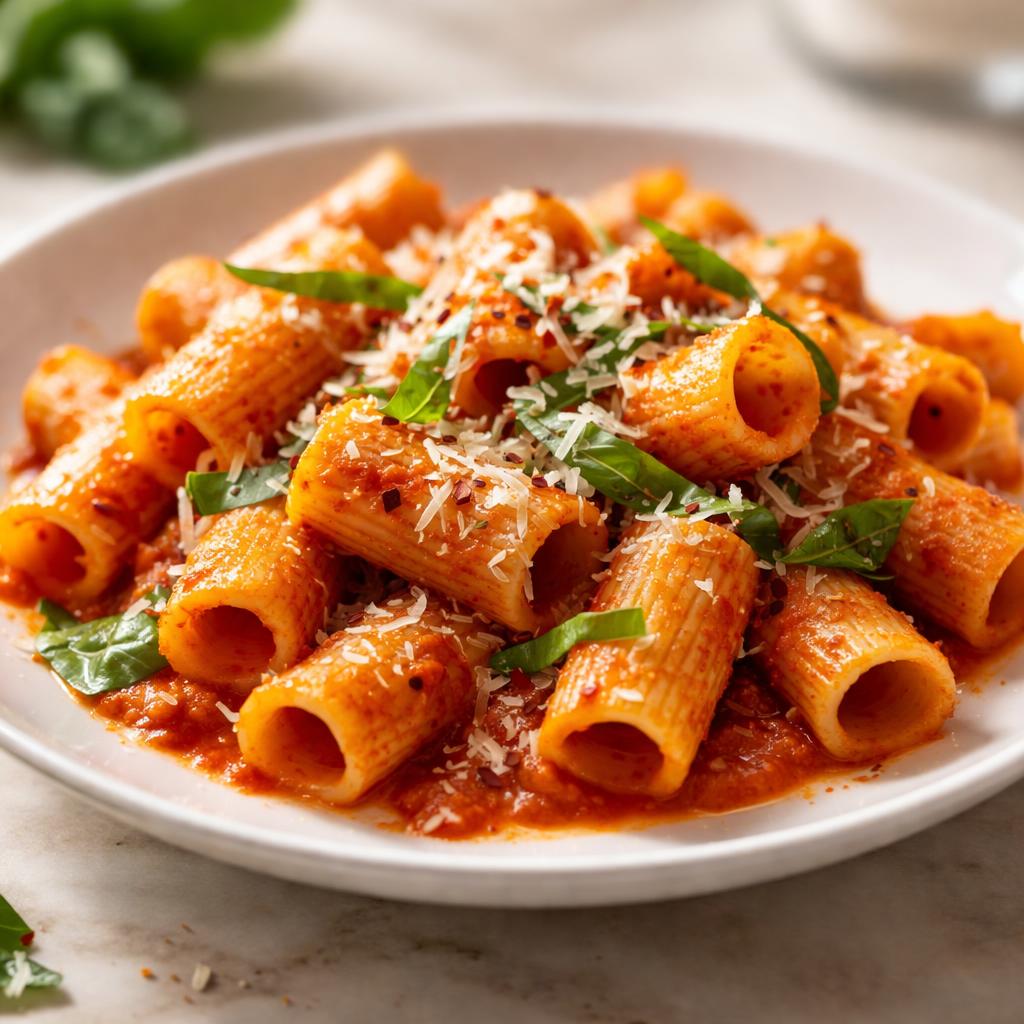
Rigatoni Pasta
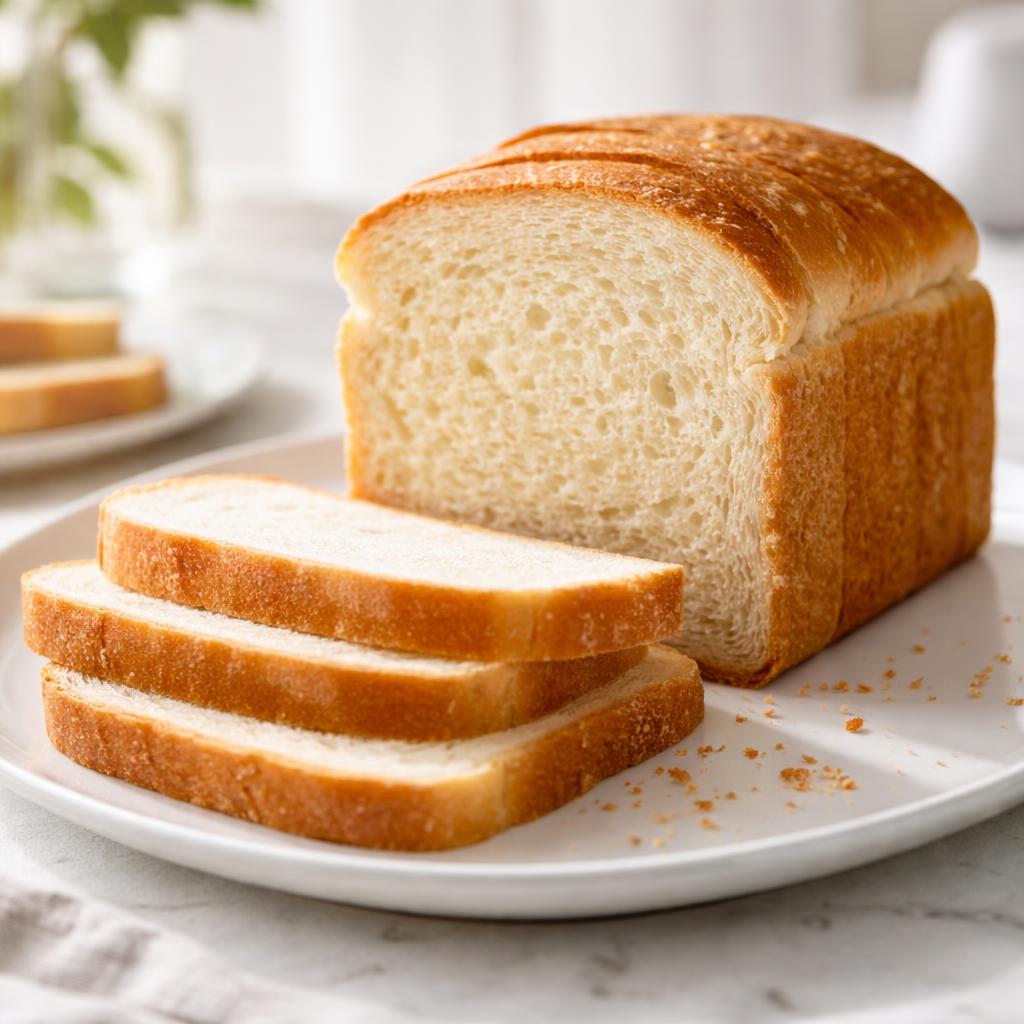
White Bread
🎯 Quick Verdict
Rigatoni pasta (Food1) is generally higher in protein (7g vs 3g per serving) and fiber (2g vs 1g) than white bread (Food2), while also providing fewer calories (150 vs 200 per serving). White bread is convenient and has a slightly broader nutrient profile, but rigatoni is better suited for balanced, filling meals requiring moderate energy release.

Smart Nutrition Tracking with SnapCalorie

📊 Nutritional Comparison
Macronutrients
| Nutrient | Food 1 | Food 2 | Winner |
|---|---|---|---|
| Calories | 150 | 200 | ✓ |
| Protein | 7g | 3g | ✓ |
| Carbs | 30g | 40g | ✓ |
| Fat | 1g | 2g | ✓ |
| Fiber | 2g | 1g | ✓ |
Vitamins & Minerals
| Nutrient | Food 1 | Food 2 | Winner |
|---|---|---|---|
| Vitamin D | 0mcg | 0.5mcg | ✓ |
| Calcium | 10mg | 80mg | ✓ |
| Iron | 1mg | 2.5mg | ✓ |
| Folate | 25mcg | 50mcg | ✓ |
🏆 Category Winners
Protein
Rigatoni pasta contains over double the protein of white bread per serving.
Fiber
Rigatoni pasta has twice the fiber, supporting better digestion.
Calories
Rigatoni pasta has 25% fewer calories than white bread per serving.
Vitamins
White bread contains more fortified nutrients, including iron, calcium, folate, and vitamin D.
🥗 Diet Compatibility
Keto
Food 1: Not Compatible
Food 2: Not Compatible
Both are high in carbs, exceeding keto thresholds.
Vegan
Food 1: Compatible
Food 2: Compatible
Both are plant-based and do not contain animal products.
Gluten Free
Food 1: Not Compatible
Food 2: Not Compatible
Both contain gluten, unsuitable for gluten-free diets.
Paleo
Food 1: Not Compatible
Food 2: Not Compatible
Both are processed grains, which are not compliant with paleo diets.
Low-Carb
Food 1: Not Compatible
Food 2: Not Compatible
Both are high in carbohydrates, unsuitable for low-carb diets.
💪 Health Benefits Comparison
Food 1 Benefits
- Provides steady energy due to complex carbohydrates
- Contains moderate protein for muscle maintenance
- Low in fat, supporting heart health
Food 2 Benefits
- Fortified with essential vitamins like iron and folate
- Quick and convenient source of energy
- Softer texture makes it suitable for individuals with chewing difficulties
✅ The Bottom Line
Choose rigatoni pasta (Food1) if you are looking for a balanced meal with moderate carbs, higher protein, and fiber, suitable for lunches or dinners. Opt for white bread (Food2) if you prefer a convenient, fortified food option, especially for quick snacks or sandwiches.
Choose Food 1 for: Balanced meals, moderate-energy diets, protein-focused dishes
Choose Food 2 for: Convenience, fortified nutrient intake, quick snacks


