Rigatoni Pasta VS Slice Of White Bread
A detailed nutritional comparison
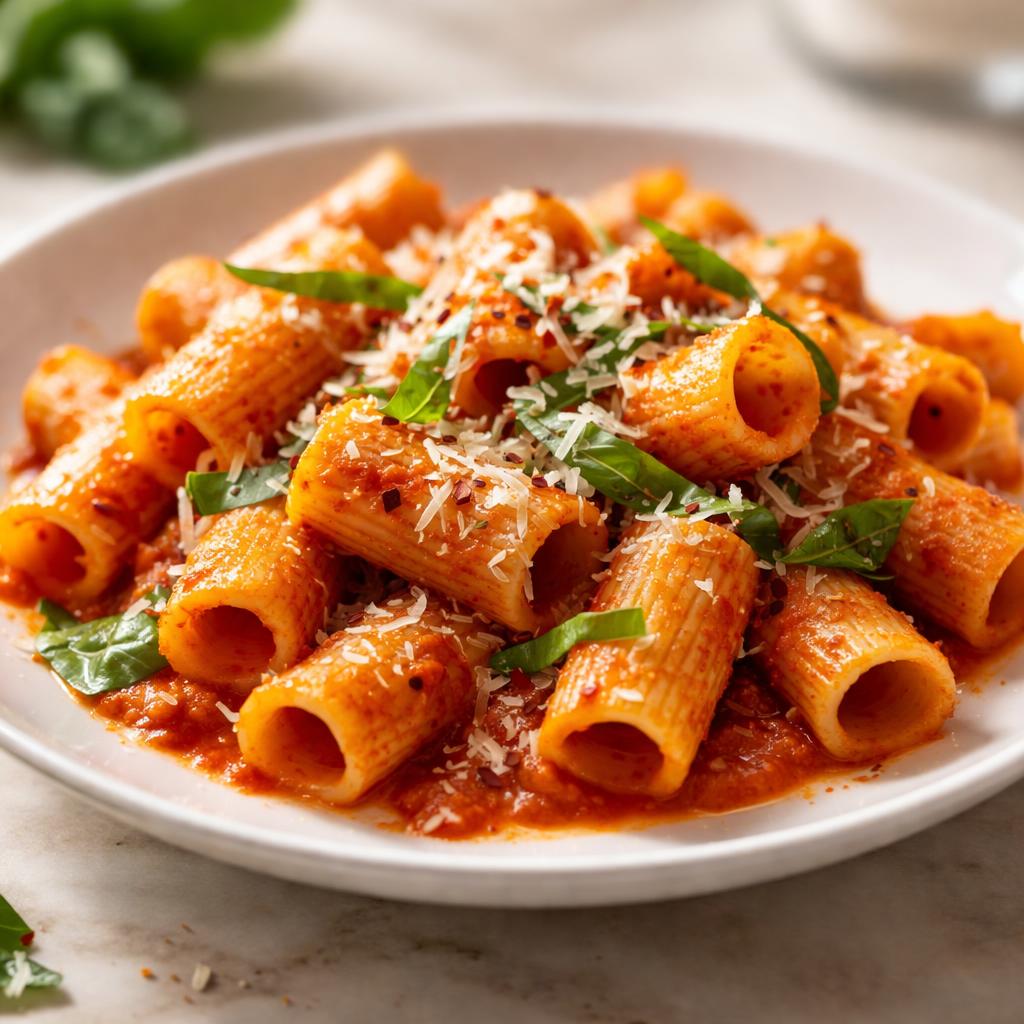
Rigatoni Pasta
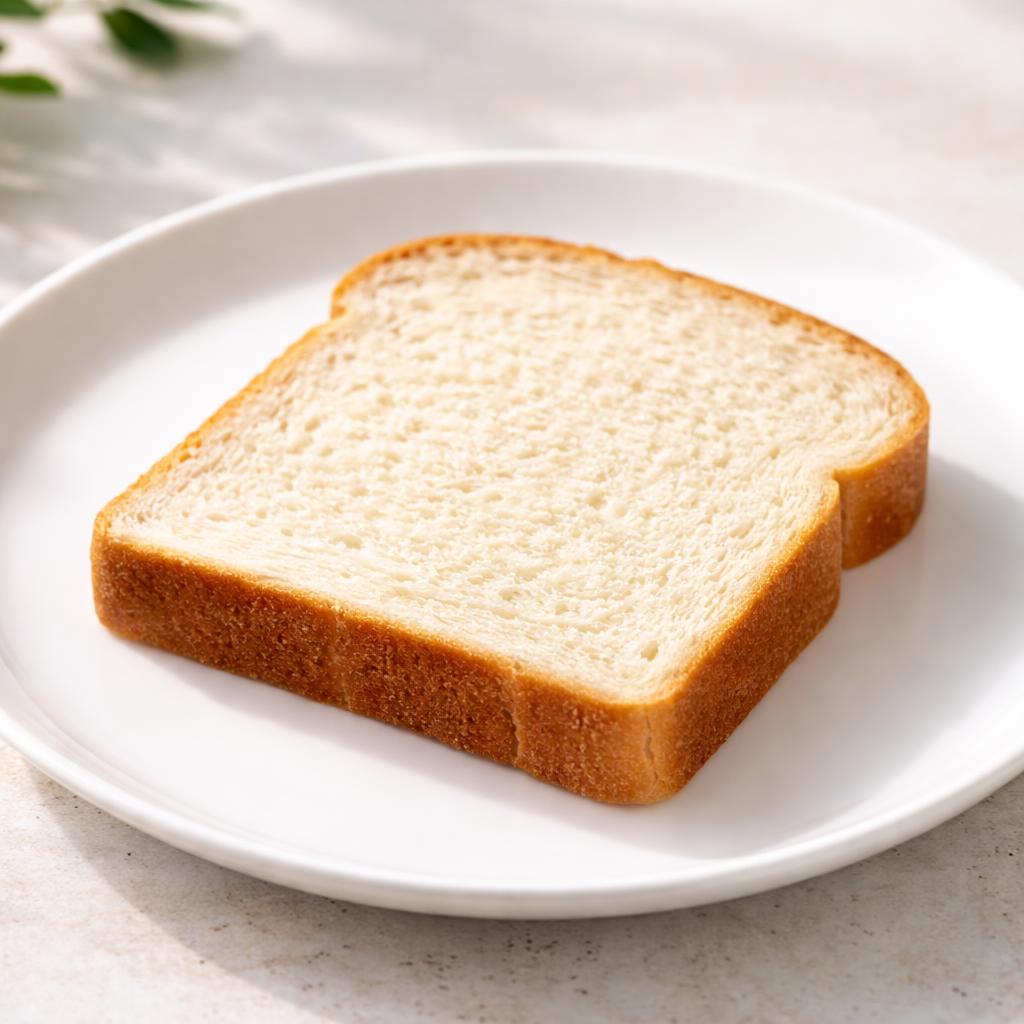
Slice Of White Bread
🎯 Quick Verdict
Rigatoni pasta and white bread differ significantly in their nutritional profiles. Rigatoni provides more protein and fiber, supporting muscle health and digestion, while white bread is lower in calories but has fewer micronutrients. Rigatoni is better for energy and active lifestyles, whereas white bread may suit lower-calorie needs or quick convenience meals.

Smart Nutrition Tracking with SnapCalorie

📊 Nutritional Comparison
Macronutrients
| Nutrient | Food 1 | Food 2 | Winner |
|---|---|---|---|
| Calories | 210 | 80 | ✓ |
| Protein | 7g | 2g | ✓ |
| Carbs | 42g | 15g | ✓ |
| Fat | 1g | 1g | − |
| Fiber | 2g | 0.5g | ✓ |
Vitamins & Minerals
| Nutrient | Food 1 | Food 2 | Winner |
|---|---|---|---|
| Vitamin D | 0mcg | 0mcg | − |
| Calcium | 15mg | 25mg | ✓ |
| Iron | 1.2mg | 0.7mg | ✓ |
🏆 Category Winners
Protein
Rigatoni has over 3x more protein per serving than white bread.
Fiber
Rigatoni offers 4x the fiber content for better digestion.
Calories
White bread contains less than half the calories of rigatoni.
Vitamins
Vitamin levels are minimal for both foods, with slight advantages in specific nutrients.
🥗 Diet Compatibility
Keto
Food 1: Not Compatible
Food 2: Not Compatible
Both are high-carb foods and unsuitable for keto diets.
Vegan
Food 1: Compatible
Food 2: Compatible
Neither contains animal products.
Gluten Free
Food 1: Not Compatible
Food 2: Not Compatible
Both contain gluten due to their wheat content.
Paleo
Food 1: Not Compatible
Food 2: Not Compatible
Grains are excluded in a paleo diet.
Low-Carb
Food 1: Not Compatible
Food 2: Not Compatible
Both foods have high carbohydrate content.
💪 Health Benefits Comparison
Food 1 Benefits
- Provides sustained energy through complex carbohydrates
- Includes more protein for muscle maintenance
- Contains some fiber for digestive health
Food 2 Benefits
- Quick and convenient low-calorie option
- Provides small amounts of calcium for bone health
- Easily digestible and suitable for light meals
✅ The Bottom Line
Rigatoni pasta is better for balanced meals, active lifestyles, or those needing more protein and fiber. White bread is optimal for lower-calorie needs or quick, simple meals. Both are high-carb foods and should be eaten in moderation within a balanced diet.
Choose Food 1 for: Active lifestyles, post-workout meals, higher energy needs
Choose Food 2 for: Low-calorie diets, quick snacks, light meals


