Rigatoni Pasta VS Gluten Free Pasta
A detailed nutritional comparison
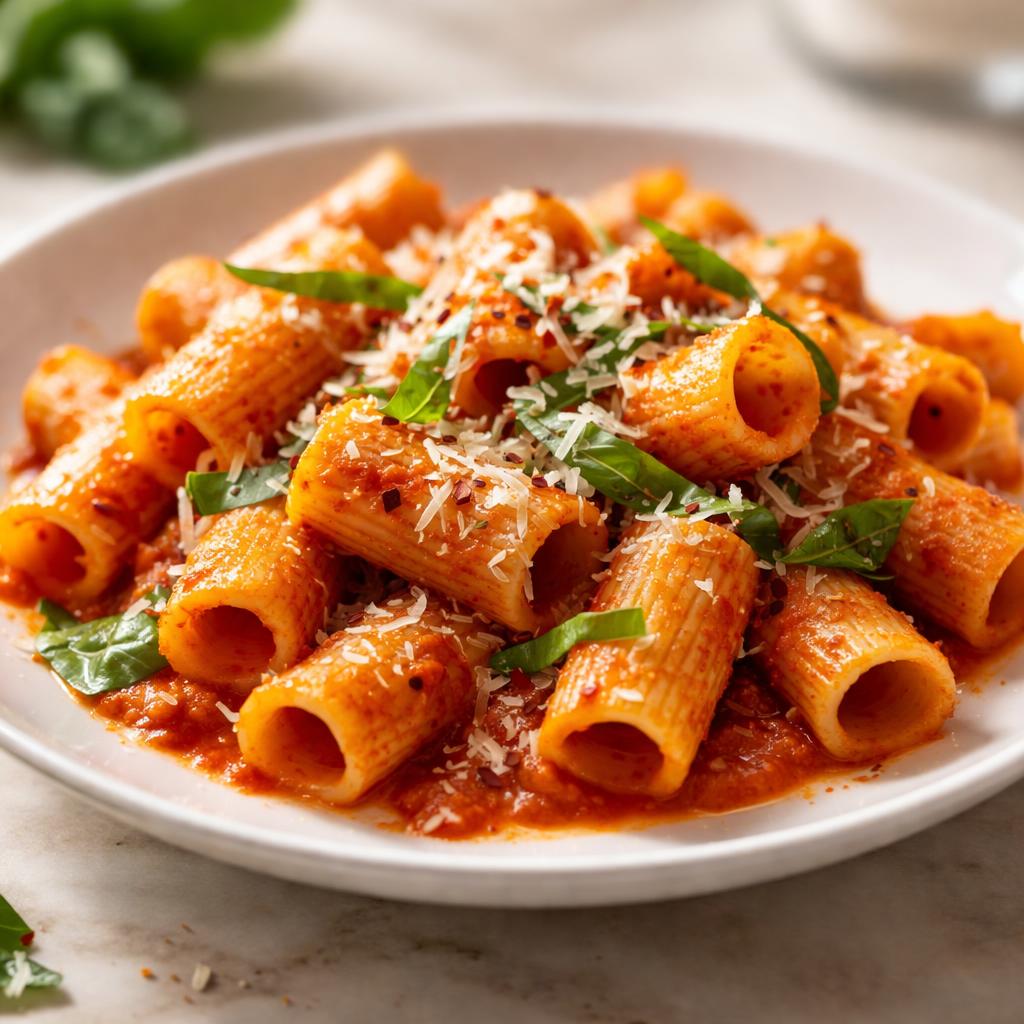
Rigatoni Pasta
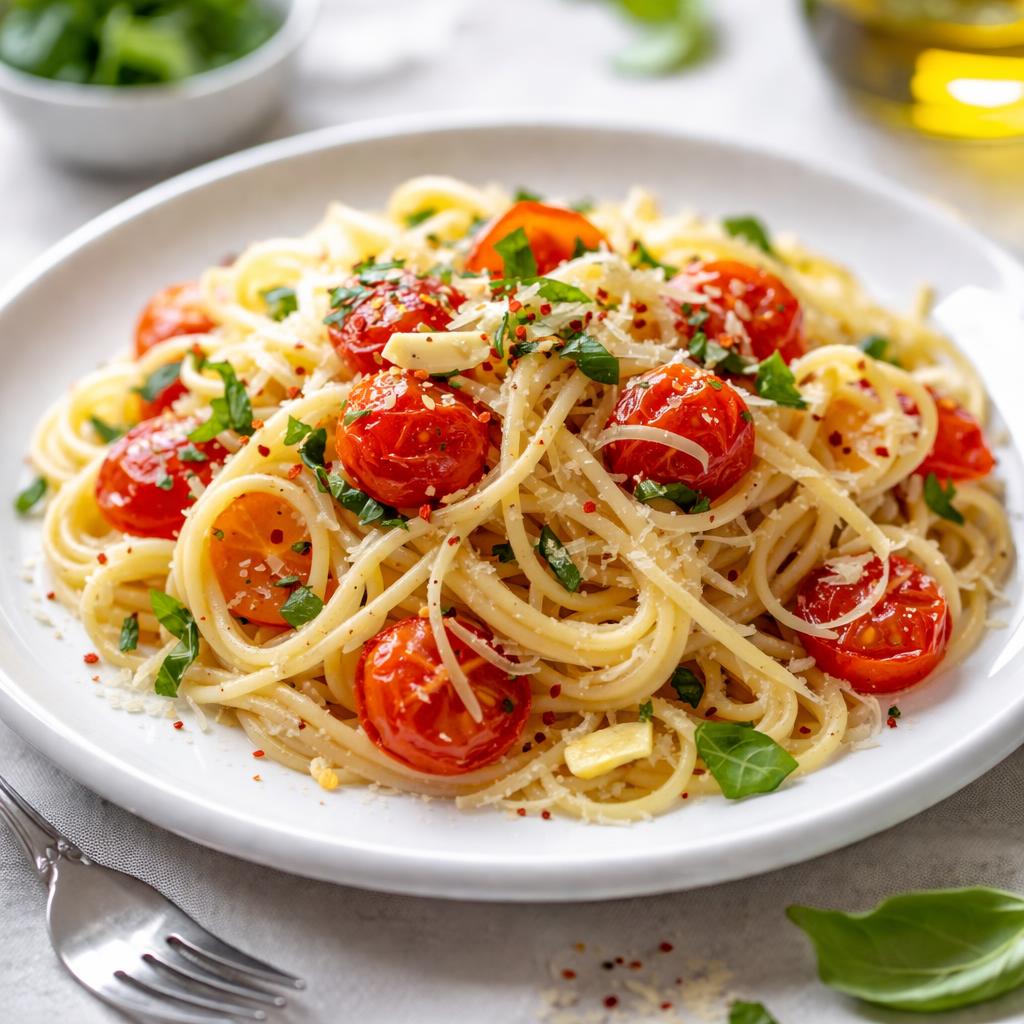
Gluten Free Pasta
🎯 Quick Verdict
Rigatoni pasta and gluten-free pasta have comparable nutrition profiles, but differ slightly in their macronutrient composition. Rigatoni has more protein per serving, while gluten-free pasta is typically lower in calories and higher in fiber. Rigatoni is ideal for those without dietary restrictions, while gluten-free pasta suits people with gluten sensitivities or celiac disease.

Smart Nutrition Tracking with SnapCalorie

📊 Nutritional Comparison
Macronutrients
| Nutrient | Food 1 | Food 2 | Winner |
|---|---|---|---|
| Calories | 220 | 190 | ✓ |
| Protein | 7g | 5g | ✓ |
| Carbs | 43g | 42g | ✓ |
| Fat | 1g | 1g | − |
| Fiber | 2g | 3g | ✓ |
Vitamins & Minerals
| Nutrient | Food 1 | Food 2 | Winner |
|---|---|---|---|
| Vitamin B3 (Niacin) | 2.1mg | 1.8mg | ✓ |
| Iron | 1.7mg | 1.4mg | ✓ |
| Folate | 95mcg | 75mcg | ✓ |
🏆 Category Winners
Protein
Rigatoni has 2g more protein per serving, making it better for muscle maintenance.
Fiber
Gluten-free pasta has 50% more fiber per serving, improving digestion.
Calories
Gluten-free pasta has approximately 13% fewer calories per serving.
Vitamins
Rigatoni contains slightly higher amounts of iron, folate, and niacin.
🥗 Diet Compatibility
Keto
Food 1: Not Compatible
Food 2: Not Compatible
Both are high in carbs and unsuitable for keto diets.
Vegan
Food 1: Compatible
Food 2: Compatible
Both options are plant-based and suitable for vegans.
Gluten Free
Food 1: Not Compatible
Food 2: Compatible
Food2 is specifically designed to avoid gluten.
Paleo
Food 1: Not Compatible
Food 2: Not Compatible
Neither is paleo-friendly due to the grain content.
Low-Carb
Food 1: Not Compatible
Food 2: Not Compatible
Both are high in carbohydrates and not appropriate for low-carb diets.
💪 Health Benefits Comparison
Food 1 Benefits
- Provides energy through complex carbohydrates
- Supports muscle maintenance with moderate protein
- Rich in folate, which aids cell function and repair
Food 2 Benefits
- Easier to digest for people with gluten sensitivity
- Higher fiber content aiding digestion and gut health
- Contains fewer calories, supporting weight management
✅ The Bottom Line
Rigatoni and gluten-free pasta both have their advantages. Rigatoni is more protein-rich and offers slightly better vitamin content, making it ideal for general use and those without gluten sensitivities. Gluten-free pasta is better for digestion, lower in calories, and serves people with gluten intolerance or celiac disease well.
Choose Food 1 for: Balanced diets, active lifestyles, folate and protein intake
Choose Food 2 for: Digestive health, gluten-free diets, weight management


