Rice With Vegetables VS Zucchini Bread
A detailed nutritional comparison
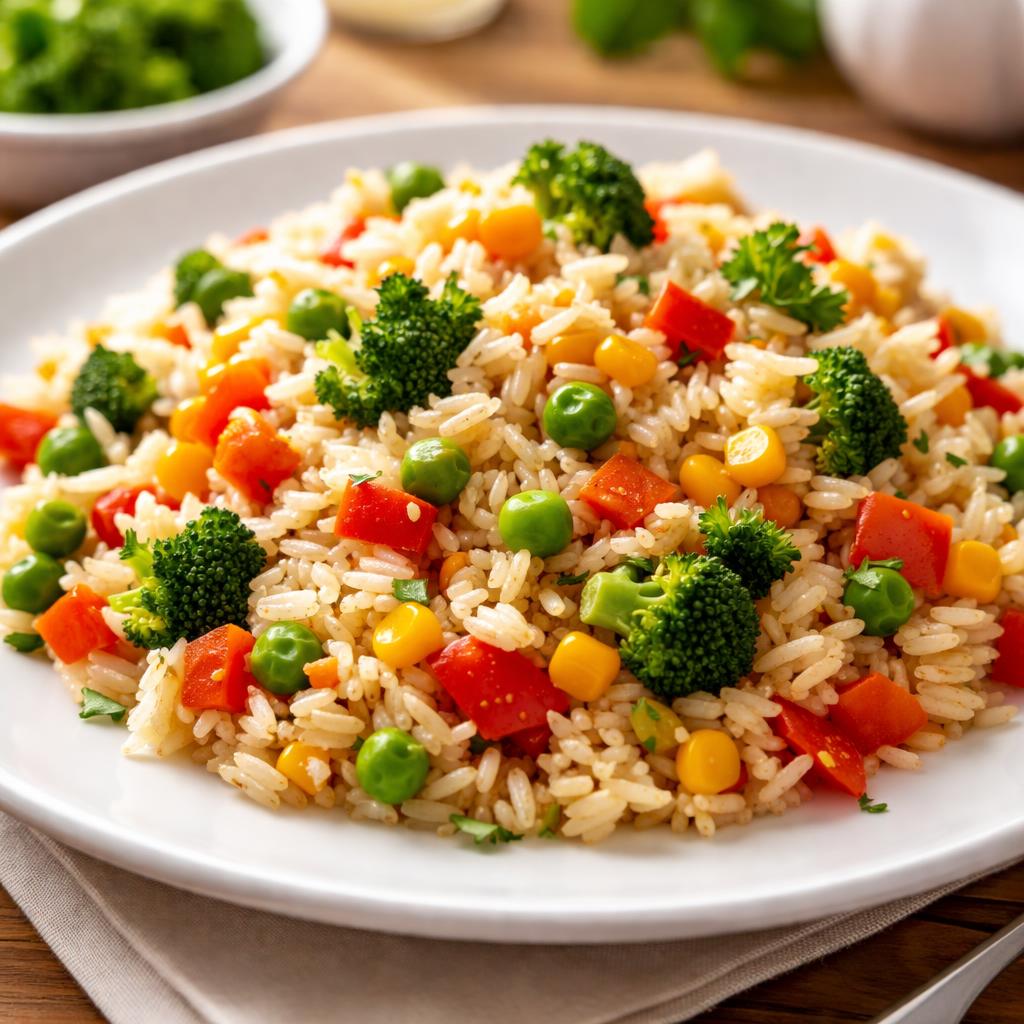
Rice With Vegetables
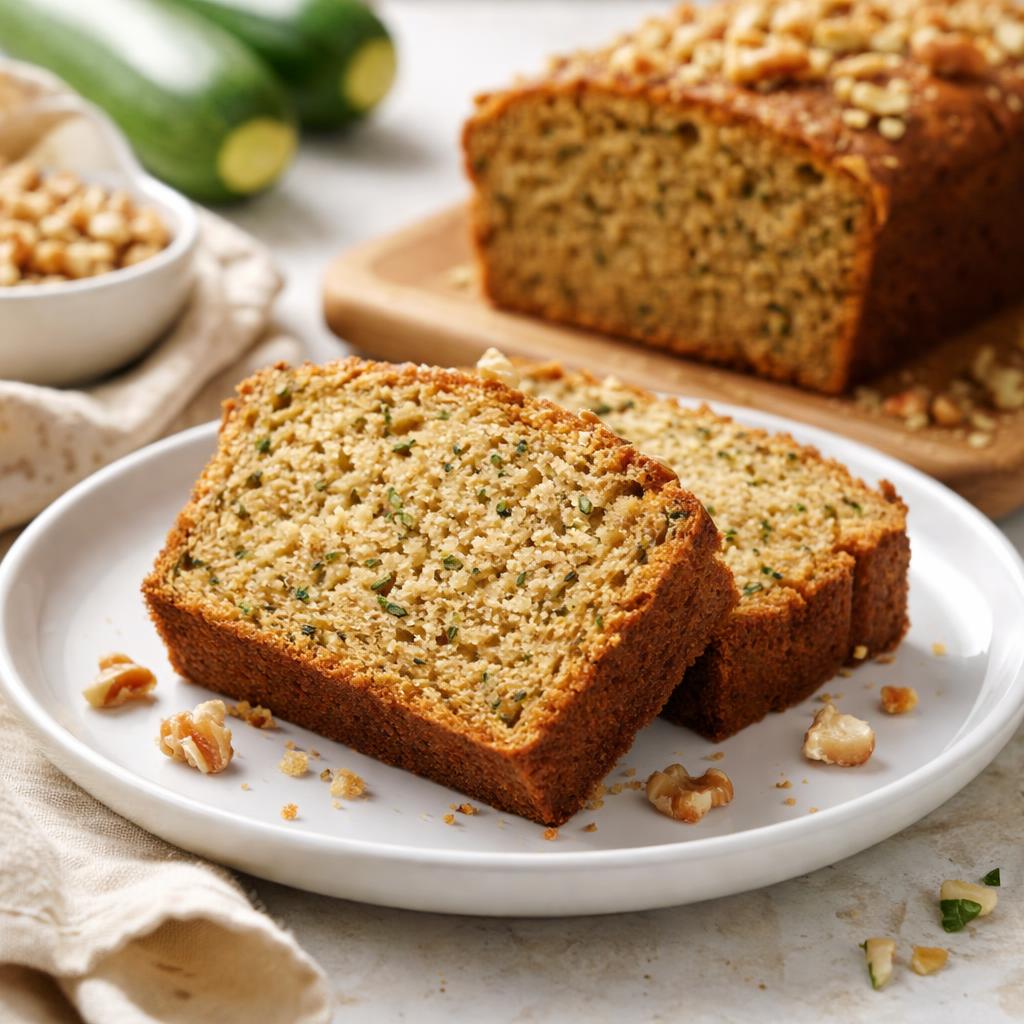
Zucchini Bread
🎯 Quick Verdict
Rice with vegetables is lower in calories and higher in protein, making it ideal for weight-conscious individuals and protein-focused diets. Zucchini bread, however, contains more fiber and healthy fats, suitable for sustained energy and digestive health. Both foods have unique benefits depending on your dietary goals and preferences.

Smart Nutrition Tracking with SnapCalorie

📊 Nutritional Comparison
Macronutrients
| Nutrient | Food 1 | Food 2 | Winner |
|---|---|---|---|
| Calories | 150 | 210 | ✓ |
| Protein | 5g | 3g | ✓ |
| Carbs | 30g | 21g | ✓ |
| Fat | 2g | 8g | ✓ |
| Fiber | 2g | 3g | ✓ |
Vitamins & Minerals
| Nutrient | Food 1 | Food 2 | Winner |
|---|---|---|---|
| Vitamin A | 50mcg | 150mcg | ✓ |
| Vitamin C | 10mg | 5mg | ✓ |
| Iron | 1mg | 0.5mg | ✓ |
🏆 Category Winners
Protein
Rice with vegetables has 67% more protein per serving.
Fiber
Zucchini bread provides 50% more fiber, aiding digestion.
Calories
Rice with vegetables is 29% lower in calories per serving.
Vitamins
Zucchini bread is richer in Vitamin A, beneficial for eye health.
🥗 Diet Compatibility
Keto
Food 1: Not Compatible
Food 2: Not Compatible
Both foods contain high carb content.
Vegan
Food 1: Compatible
Food 2: Depends
Food1 is plant-based; zucchini bread may contain eggs and dairy.
Gluten Free
Food 1: Compatible
Food 2: Not Compatible
Rice with vegetables contains no gluten; zucchini bread often uses wheat flour.
Paleo
Food 1: Not Compatible
Food 2: Not Compatible
Both foods contain non-paleo ingredients like grains or processed sugars.
Low-Carb
Food 1: Not Compatible
Food 2: Not Compatible
Both are too high in carbs for low-carb diets.
💪 Health Benefits Comparison
Food 1 Benefits
- Supports muscle repair with moderate protein content
- High in Vitamin C for immune health
- Low calorie, suitable for weight management
Food 2 Benefits
- Rich in fiber for digestive health
- Healthy fats for sustained energy and heart health
- Vitamin A benefits for eye and skin health
✅ The Bottom Line
Rice with vegetables is a lower-calorie, protein-rich option that fits well with weight-loss or post-workout meals. Zucchini bread, on the other hand, offers more fiber and healthy fats, making it ideal for digestive health and sustained energy. Choose food1 for lighter, protein-packed meals and food2 for a nutritious snack or fiber boost.
Choose Food 1 for: Weight loss, balanced meals, post-workout recovery
Choose Food 2 for: Digestive health, nutrient-dense snacks, sustainable energy


