Rice With Vegetables VS Udon Noodles
A detailed nutritional comparison
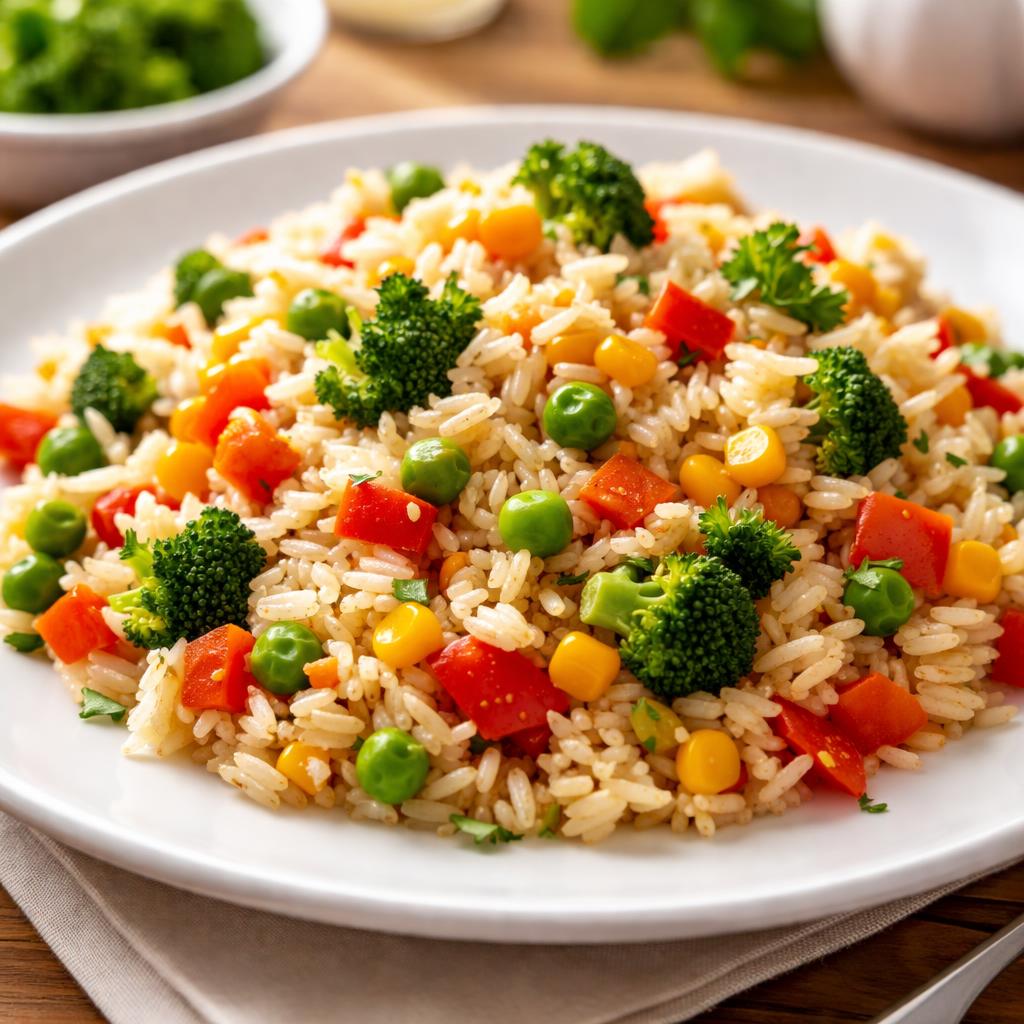
Rice With Vegetables
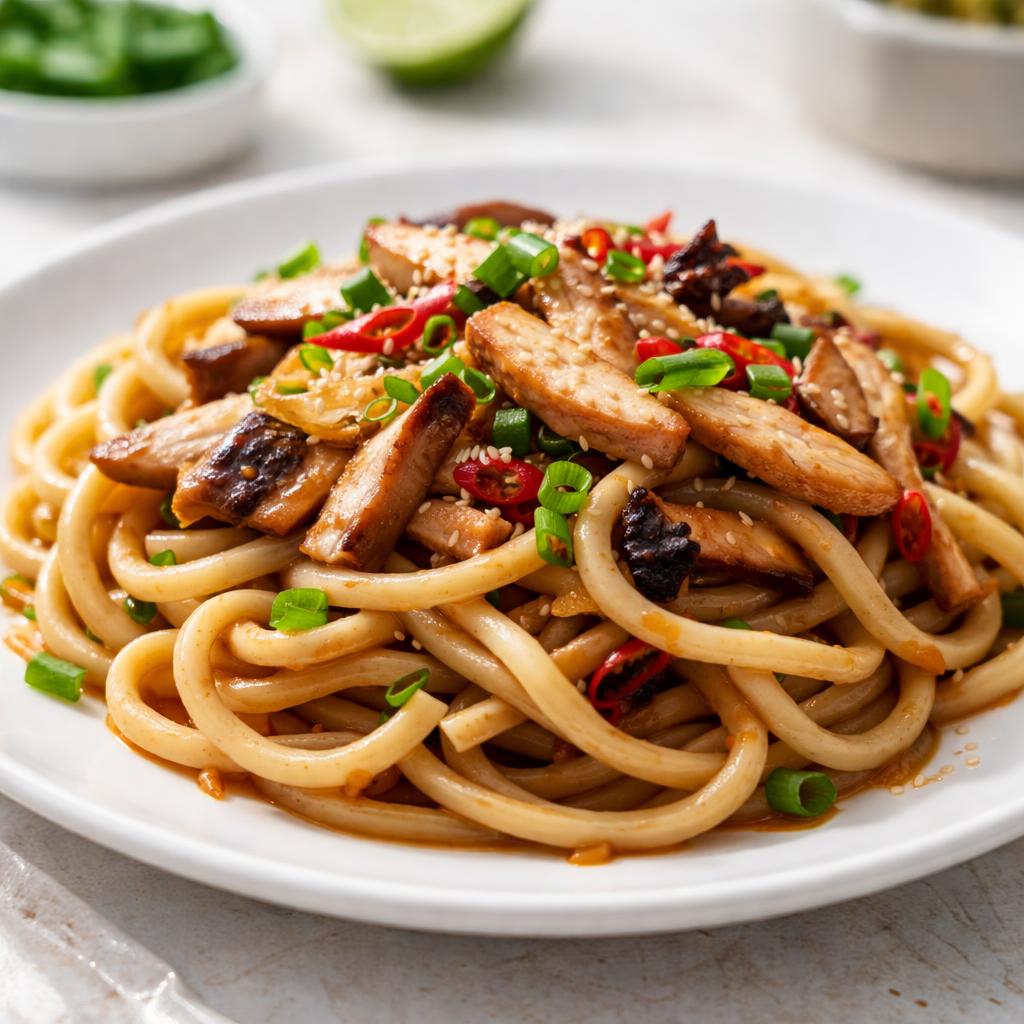
Udon Noodles
🎯 Quick Verdict
Rice with vegetables is a more nutrient-dense choice because it offers more protein, fiber, and fewer calories compared to udon noodles. Udon noodles provide more carbohydrates, making them better suited for those seeking quick energy. Choose rice with vegetables for balanced nutrition or udon noodles for energy-focused meals.

Smart Nutrition Tracking with SnapCalorie

📊 Nutritional Comparison
Macronutrients
| Nutrient | Food 1 | Food 2 | Winner |
|---|---|---|---|
| Calories | 250 per serving | 310 per serving | ✓ |
| Protein | 6g per serving | 4.5g per serving | ✓ |
| Carbs | 45g per serving | 57g per serving | ✓ |
| Fat | 3g per serving | 1.5g per serving | ✓ |
| Fiber | 4g per serving | 1g per serving | ✓ |
Vitamins & Minerals
| Nutrient | Food 1 | Food 2 | Winner |
|---|---|---|---|
| Vitamin A | 15% DV | 0% DV | ✓ |
| Vitamin C | 10% DV | 0% DV | ✓ |
| Iron | 8% DV | 4% DV | ✓ |
🏆 Category Winners
Protein
Food1 (rice with vegetables) provides 33% more protein per serving.
Fiber
Food1 contains 4 times the amount of fiber compared to food2.
Calories
Food1 has 19% fewer calories than food2.
Vitamins
Food1 offers key vitamins such as A and C, unlike food2.
🥗 Diet Compatibility
Keto
Food 1: Not Compatible
Food 2: Not Compatible
Both are high in carbohydrates, unsuitable for keto diets.
Vegan
Food 1: Compatible
Food 2: Compatible
Both foods are plant-based and vegan-friendly.
Gluten Free
Food 1: Compatible
Food 2: Not Compatible
Rice with vegetables is gluten-free, but udon noodles usually contain wheat.
Paleo
Food 1: Compatible
Food 2: Not Compatible
Rice with vegetables aligns with paleo principles; udon noodles do not due to wheat.
Low-Carb
Food 1: Not Compatible
Food 2: Not Compatible
Both are high in carbohydrates and not suitable for low-carb diets.
💪 Health Benefits Comparison
Food 1 Benefits
- Rich in fiber to support digestion and gut health
- Higher protein supports muscle maintenance
- Source of Vitamin A and C for eye and immune health
- Contains fewer calories, aiding weight management
Food 2 Benefits
- Provides quick energy from carbohydrates
- Lower in fat, aiding a low-fat dietary preference
- Easy to digest and suitable for lighter meals
- Pairs well with broths, adding hydration to the diet
✅ The Bottom Line
Rice with vegetables is a better choice for balanced nutrition, helping with digestion, muscle maintenance, and overall health. Udon noodles are ideal for quick energy and lighter meals. Pick rice with vegetables for nutrient density and udon noodles for energy-focused dishes or lighter meals.
Choose Food 1 for: Balanced nutrition, weight loss, immune health
Choose Food 2 for: Quick energy, light meals, low-fat diets


