Rice With Vegetables VS Spicy Rice
A detailed nutritional comparison
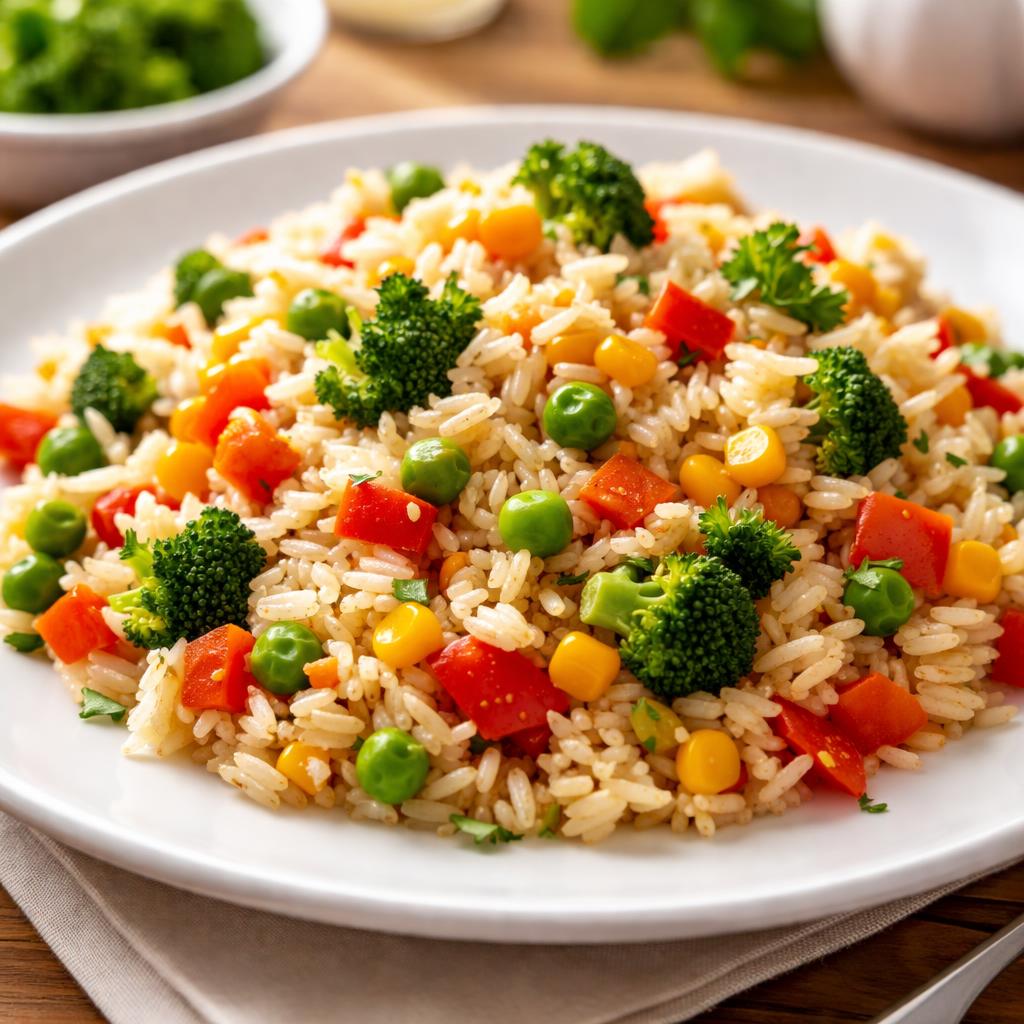
Rice With Vegetables
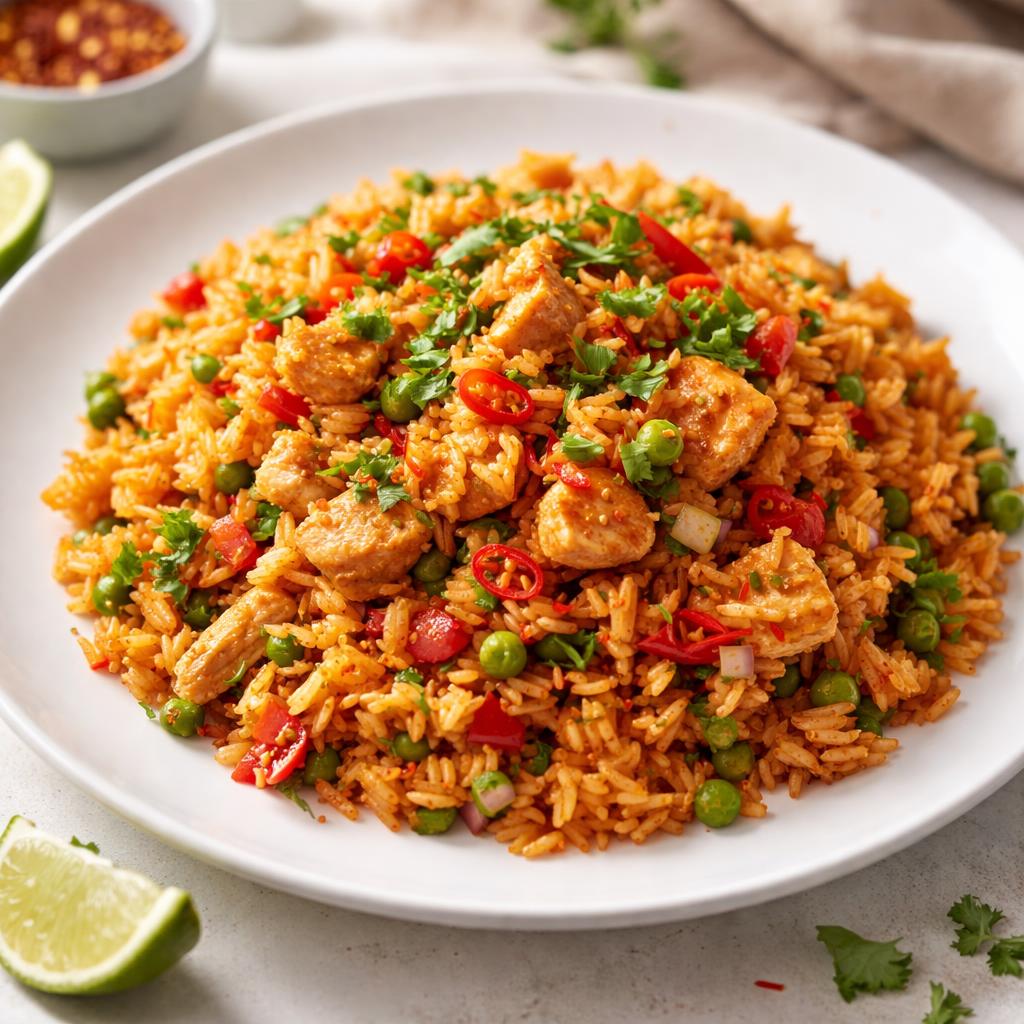
Spicy Rice
🎯 Quick Verdict
Rice with vegetables (Food 1) is more nutrient-dense than spicy rice (Food 2), offering higher protein, fiber, and fewer calories per serving. Spicy rice has slightly more carbohydrates, making it a better option for quick energy during high activity levels. Food 1 excels as a balanced meal for weight control and digestion support, while Food 2 is good for flavor-packed meals and energy boosts.

Smart Nutrition Tracking with SnapCalorie

📊 Nutritional Comparison
Macronutrients
| Nutrient | Food 1 | Food 2 | Winner |
|---|---|---|---|
| Calories | 180 | 250 | ✓ |
| Protein | 6g | 4g | ✓ |
| Carbs | 35g | 40g | ✓ |
| Fat | 3g | 5g | ✓ |
| Fiber | 4g | 2g | ✓ |
Vitamins & Minerals
| Nutrient | Food 1 | Food 2 | Winner |
|---|---|---|---|
| Vitamin D | 0mcg | 0mcg | − |
| Vitamin C | 15mg | 5mg | ✓ |
| Iron | 2mg | 1mg | ✓ |
🏆 Category Winners
Protein
Rice with vegetables contains 50% more protein due to added legumes or other protein-rich vegetables.
Fiber
Food 1 has two times the fiber per serving, supporting digestion.
Calories
Food 1 has 28% fewer calories, ideal for calorie-conscious diets.
Vitamins
Food 1 has a higher vitamin C content, partly from vegetables included.
🥗 Diet Compatibility
Keto
Food 1: Not Compatible
Food 2: Not Compatible
Both are high in carbohydrates due to the rice base.
Vegan
Food 1: Compatible
Food 2: Compatible
Both are plant-based options.
Gluten Free
Food 1: Compatible
Food 2: Compatible
Rice is naturally gluten-free.
Paleo
Food 1: Not Compatible
Food 2: Not Compatible
Rice is not aligned with strict paleo guidelines.
Low-Carb
Food 1: Not Compatible
Food 2: Not Compatible
Both are higher-carb foods due to the rice content.
💪 Health Benefits Comparison
Food 1 Benefits
- Higher fiber content supports digestion and gut health.
- Contains more protein to aid in muscle maintenance.
- Rich in vitamin C to boost the immune system.
- Lower-calorie option for weight management.
Food 2 Benefits
- Slightly higher carbohydrates provide quick energy.
- Contains flavorful spices for enhanced taste and potential anti-inflammatory benefits.
- Provides moderate healthy fats for heart health.
- Lower in fiber, suitable for sensitive digestive systems.
✅ The Bottom Line
Rice with vegetables (Food 1) is the better option for balanced nutrition, weight management, and digestive health. Spicy rice (Food 2) is better for those seeking quick energy or a flavorful addition to a meal. Food 1 is ideal for active lifestyles or post-workout meals, while Food 2 fits well into high-energy dishes or indulgent occasions.
Choose Food 1 for: Weight management, digestion, balanced meal prep
Choose Food 2 for: Quick energy, flavorful meals, high-calorie diets


