Rice With Vegetables VS Sliced Bread
A detailed nutritional comparison
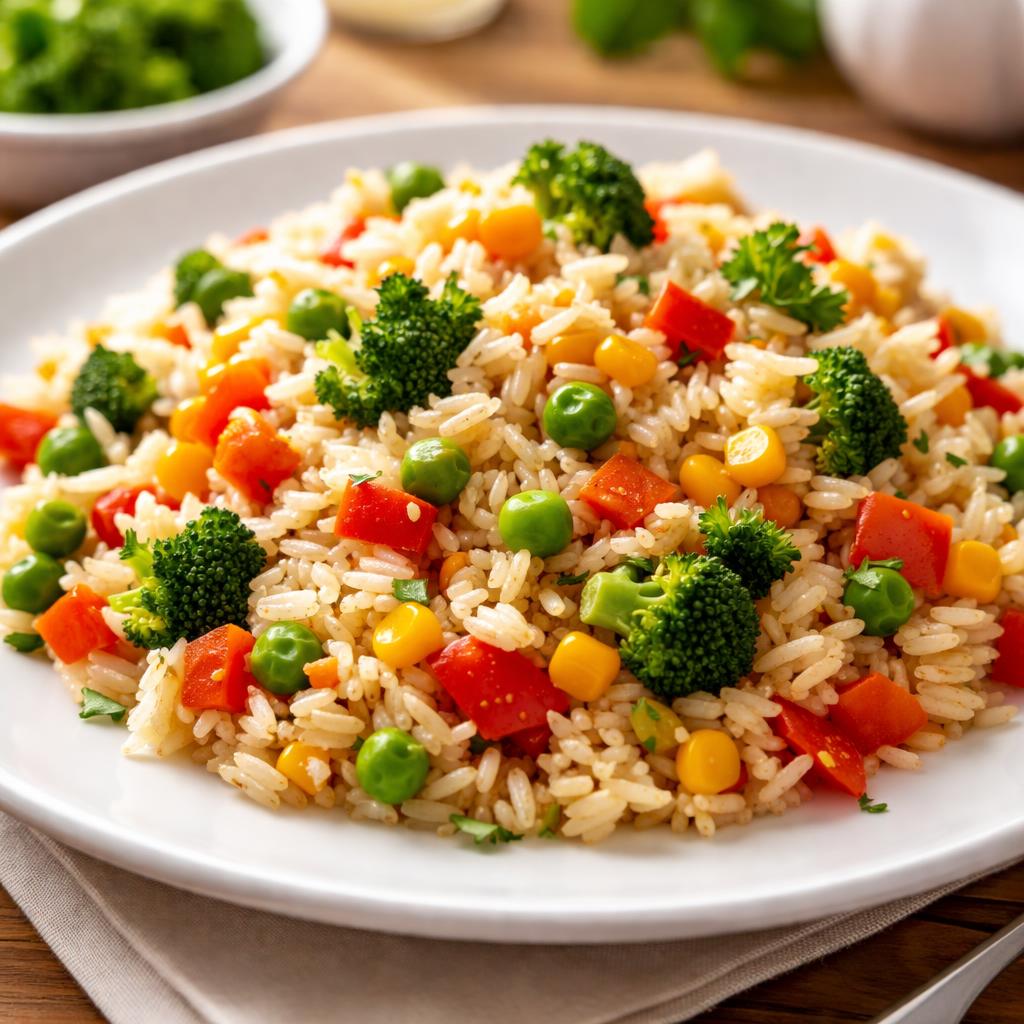
Rice With Vegetables
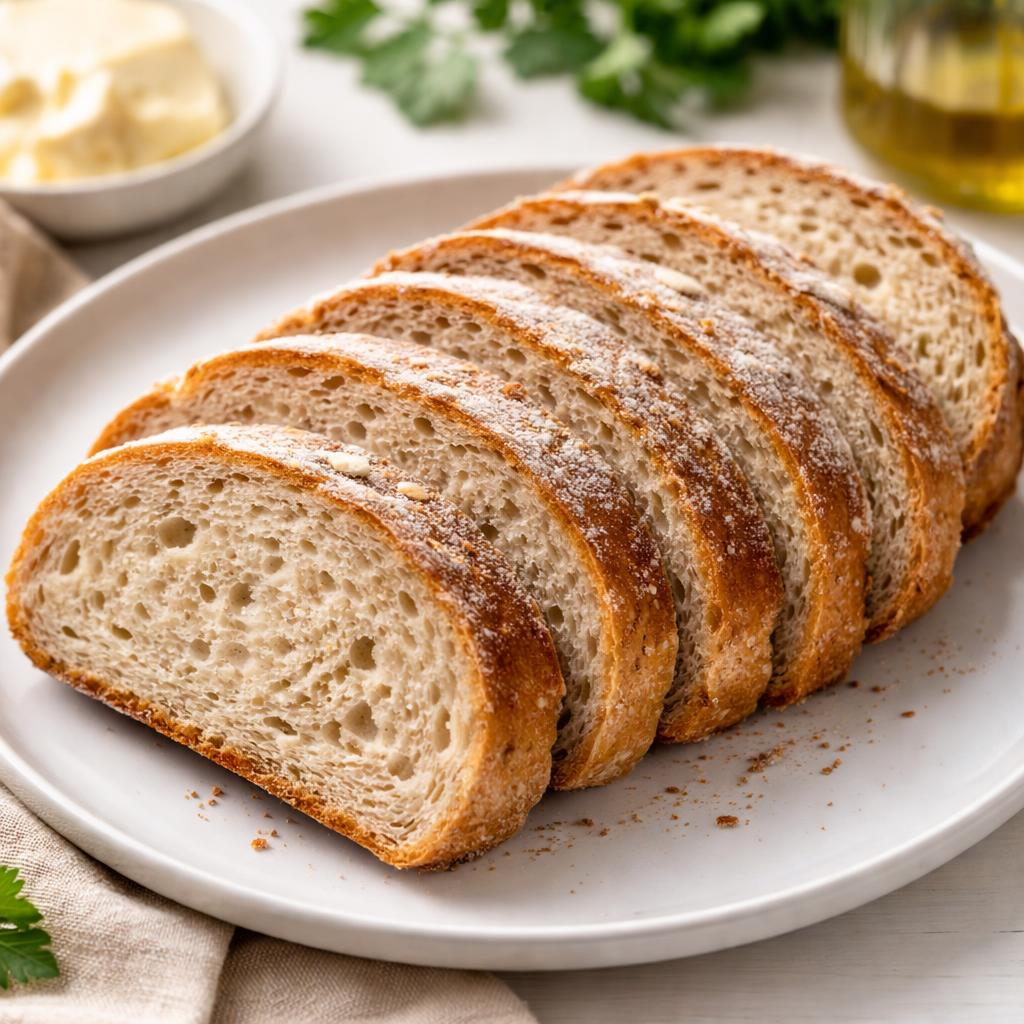
Sliced Bread
🎯 Quick Verdict
Rice with vegetables is a lower-calorie, nutrient-dense option with more fiber than sliced bread. Sliced bread, while higher in carbohydrates and slightly denser in calories, is a versatile option for quick meals or snacks. Rice with vegetables is ideal for balanced meals, while sliced bread is convenient but less balanced nutritionally.

Smart Nutrition Tracking with SnapCalorie

📊 Nutritional Comparison
Macronutrients
| Nutrient | Food 1 | Food 2 | Winner |
|---|---|---|---|
| Calories | 150 | 200 | ✓ |
| Protein | 5g | 5g | − |
| Carbs | 30g | 38g | ✓ |
| Fat | 2g | 2g | − |
| Fiber | 4g | 2g | ✓ |
Vitamins & Minerals
| Nutrient | Food 1 | Food 2 | Winner |
|---|---|---|---|
| Vitamin A | 200mcg | 0mcg | ✓ |
| Vitamin C | 15mg | 0mg | ✓ |
| Iron | 1.5mg | 1.2mg | ✓ |
🏆 Category Winners
Protein
Both provide an equal amount of protein per serving (5g).
Fiber
Food1 has double the fiber content of food2 (4g vs. 2g).
Calories
Food1 has 25% fewer calories (150 vs. 200).
Vitamins
Food1 is richer in Vitamin A and C compared to food2.
🥗 Diet Compatibility
Keto
Food 1: Not Compatible
Food 2: Not Compatible
Both are high-carb and exceed keto diet limits.
Vegan
Food 1: Compatible
Food 2: Compatible
Both are plant-based and vegan-friendly.
Gluten Free
Food 1: Compatible
Food 2: Not Compatible
Food1 typically uses gluten-free ingredients, whereas food2 contains wheat-based flour.
Paleo
Food 1: Compatible
Food 2: Not Compatible
Food1 adheres to paleo guidelines, while food2 includes processed grains.
Low Carb
Food 1: Not Compatible
Food 2: Not Compatible
Both foods are relatively high in carbohydrates.
💪 Health Benefits Comparison
Food 1 Benefits
- Rich in fiber for better digestion
- Provides vitamins like Vitamin A and C for immunity and eye health
- Lower in calories, supporting weight management
- Contains antioxidants from vegetables for overall cell health
Food 2 Benefits
- Convenient and quick meal option
- Source of carbohydrates for energy
- Contains iron for oxygen transport in blood
- Versatile base for a variety of toppings and meals
✅ The Bottom Line
Rice with vegetables is a better choice for balanced meals, lower calorie intake, and a nutrient-rich profile. Sliced bread is more convenient but less nutritionally dense. Choose rice with vegetables for weight management and enhanced nutrients, and opt for sliced bread for quick snacks or sandwich-style meals.
Choose Food 1 for: Weight management, nutrient-dense meals, balanced eating
Choose Food 2 for: Convenience, quick energy boost, sandwiches or toast meals


