Rice With Vegetables VS Rice With Herbs
A detailed nutritional comparison
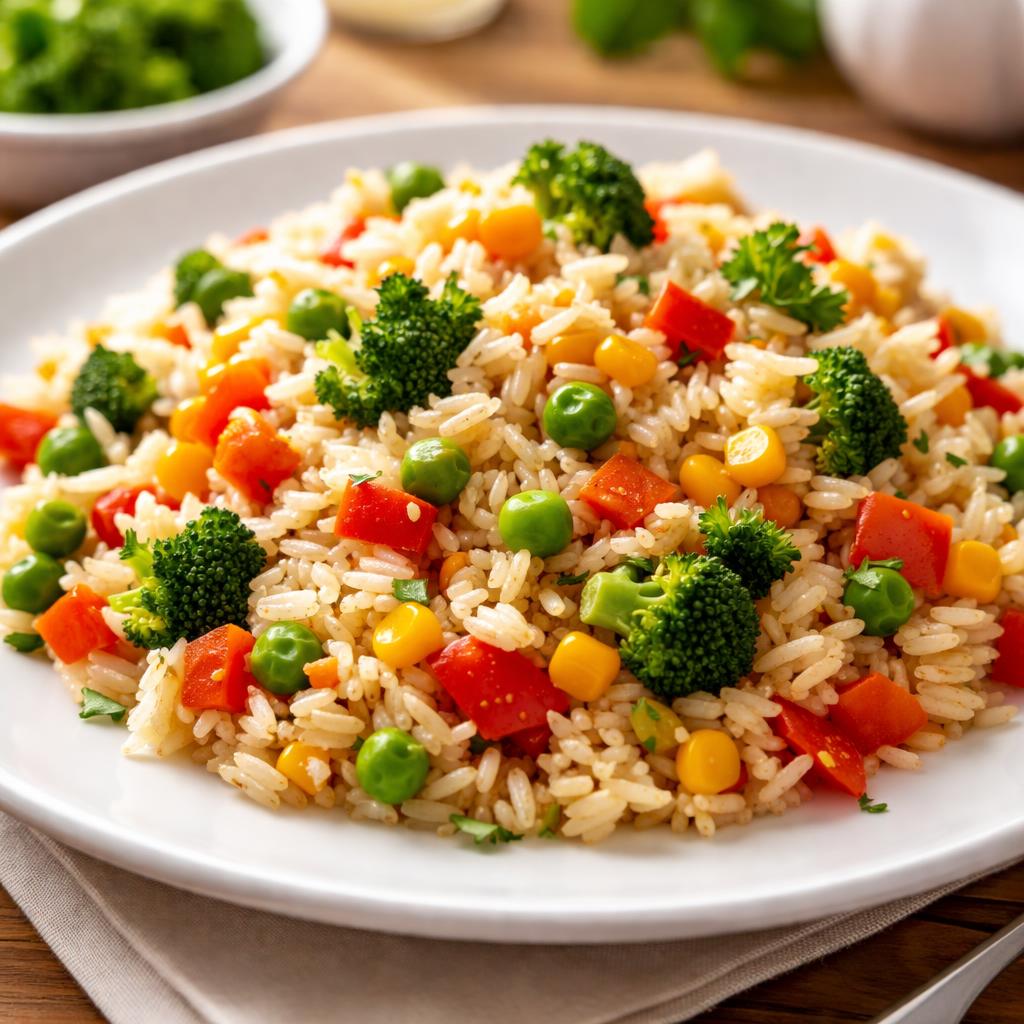
Rice With Vegetables
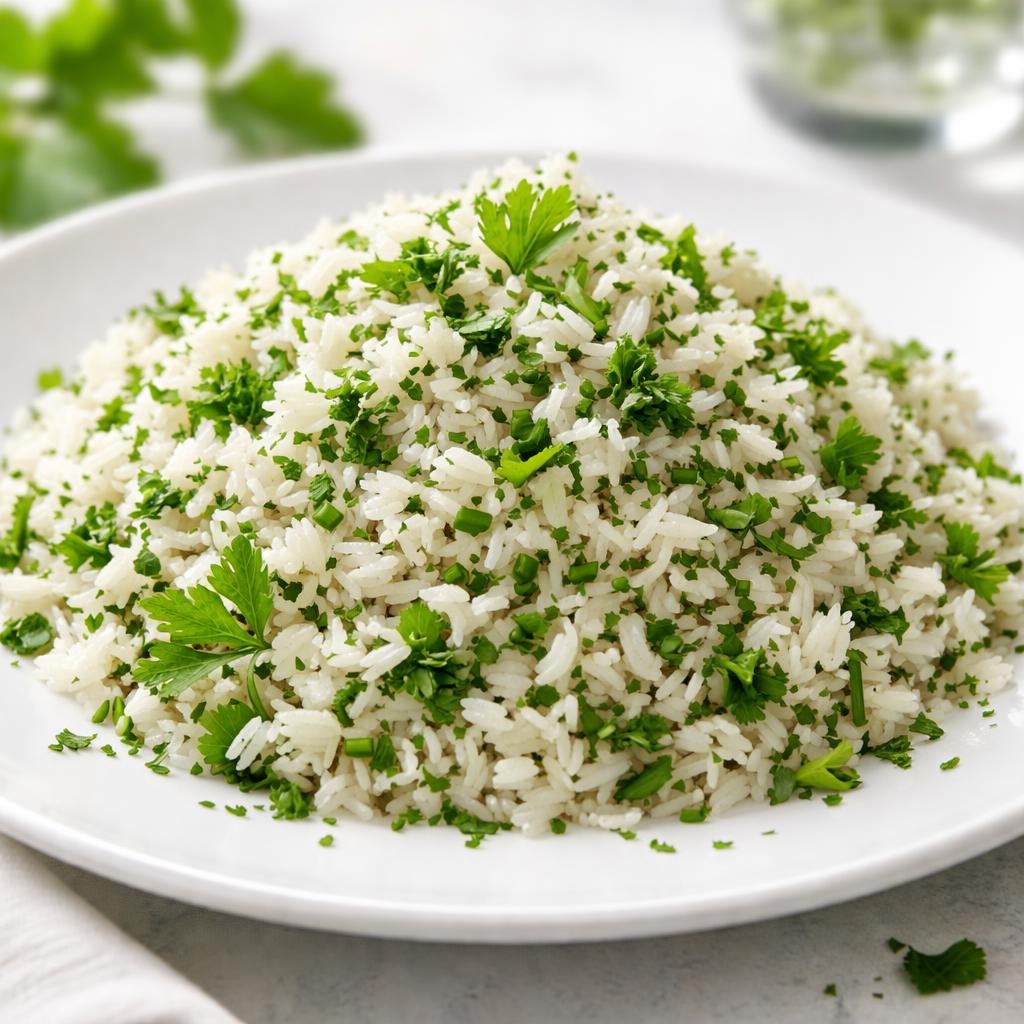
Rice With Herbs
🎯 Quick Verdict
Rice with vegetables is higher in protein and fiber due to the nutrient contribution from vegetables, making it a better option for a balanced meal. Rice with herbs, while lower in fiber and protein, delivers unique flavoring and antioxidants from the herbs, ideal for adding variety to meals without significantly altering caloric intake.

Smart Nutrition Tracking with SnapCalorie

📊 Nutritional Comparison
Macronutrients
| Nutrient | Food 1 | Food 2 | Winner |
|---|---|---|---|
| Calories | 210 | 210 | − |
| Protein | 6g | 4g | ✓ |
| Carbs | 40g | 42g | ✓ |
| Fat | 3g | 2g | ✓ |
| Fiber | 4g | 1g | ✓ |
Vitamins & Minerals
| Nutrient | Food 1 | Food 2 | Winner |
|---|---|---|---|
| Vitamin A | 2500 IU | 50 IU | ✓ |
| Vitamin C | 30mg | 1mg | ✓ |
| Iron | 2mg | 1mg | ✓ |
🏆 Category Winners
Protein
Food1 has 50% more protein due to vegetable content.
Fiber
Food1 provides 400% more fiber due to high vegetable content.
Calories
Both foods have similar caloric values of 210 calories per serving.
Vitamins
Food1 contains significantly higher levels of vitamins A and C.
🥗 Diet Compatibility
Keto
Food 1: Not Compatible
Food 2: Not Compatible
Both are high-carb and not suitable for a keto diet.
Vegan
Food 1: Compatible
Food 2: Compatible
Both are plant-based dishes with no animal products.
Gluten Free
Food 1: Compatible
Food 2: Compatible
Rice is naturally gluten-free and herbs/vegetables add no gluten.
Paleo
Food 1: Compatible
Food 2: Compatible
Rice and vegetables/herbs fit within the paleo framework.
Low-Carb
Food 1: Not Compatible
Food 2: Not Compatible
Both foods have a significant carbohydrate content from the rice.
💪 Health Benefits Comparison
Food 1 Benefits
- Vegetables boost fiber for better digestion
- Rich in Vitamin C for immune support
- Provides more protein for muscle health
- High in Vitamin A for eye health
Food 2 Benefits
- Herbs add antioxidants for cellular health
- Lower fat content for reduced calorie intake
- Provides subtle flavor nuances without excess additives
- Slightly easier to digest due to lighter composition
✅ The Bottom Line
Rice with vegetables is a more nutrient-complete option with higher protein, fiber, and vitamin content, ideal for balanced and active diets. Rice with herbs is a flavorful alternative with fewer nutrients but good for lightweight, antioxidant-rich meals. Choose food1 for balance and food2 for simplicity and flavor enhancement.
Choose Food 1 for: Balanced meals, digestion improvement, immune boosting
Choose Food 2 for: Flavor enhancement, antioxidant intake, lightweight meals


