Rice With Vegetables VS Rice Salad
A detailed nutritional comparison
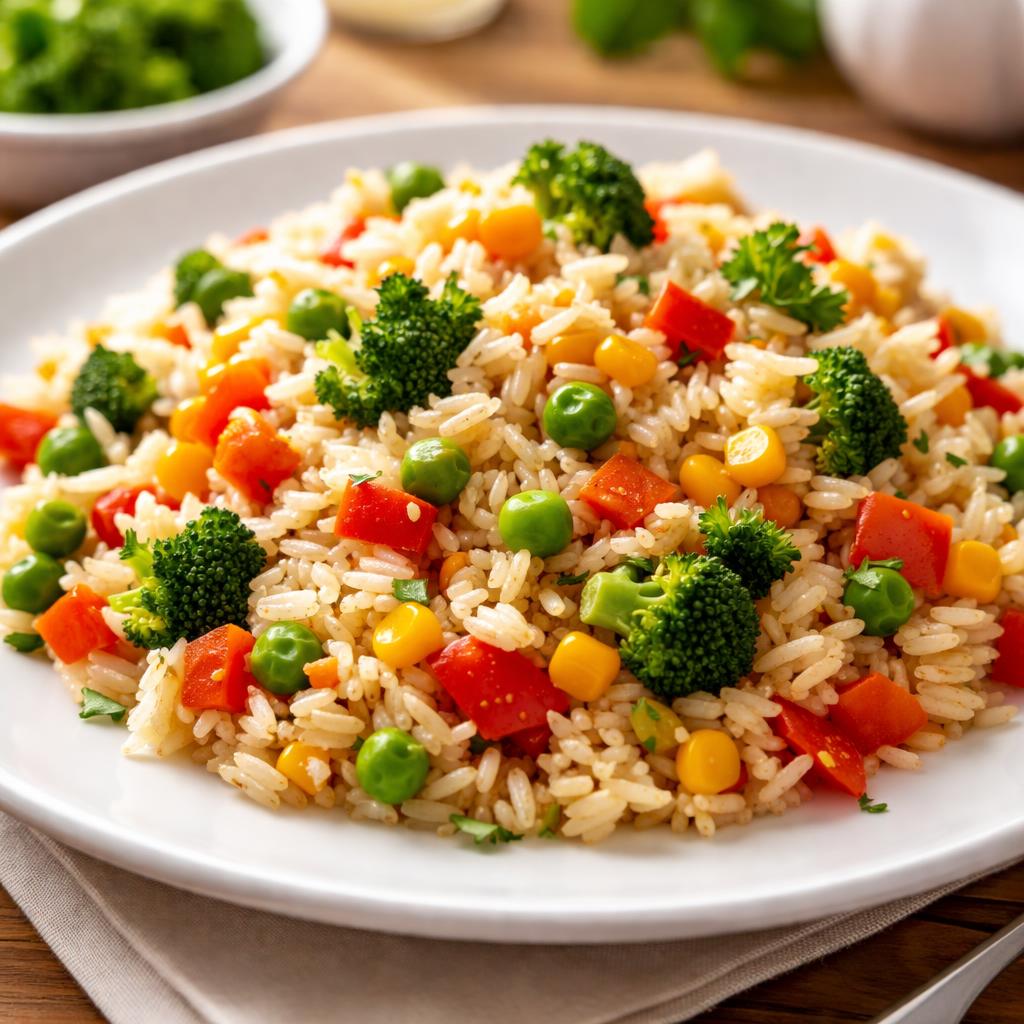
Rice With Vegetables
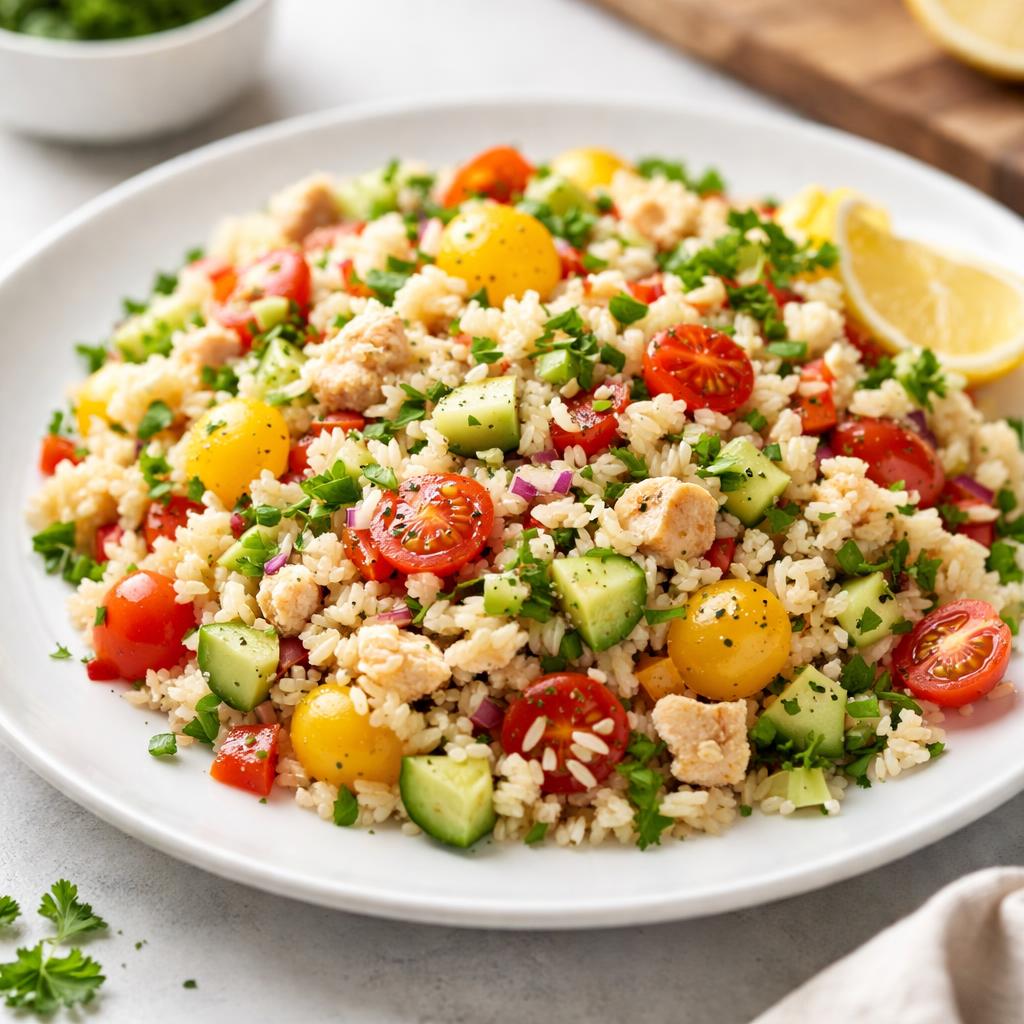
Rice Salad
🎯 Quick Verdict
Rice with vegetables is lower in calories and slightly lower in protein and fiber compared to rice salad, but it provides a good balance of nutrients for weight-conscious individuals. Rice salad is richer in protein and fiber due to added ingredients like beans or nuts, making it more nutrient-dense while being higher in calories—ideal for energy needs or meal diversity.

Smart Nutrition Tracking with SnapCalorie

📊 Nutritional Comparison
Macronutrients
| Nutrient | Food 1 | Food 2 | Winner |
|---|---|---|---|
| Calories | 180 | 250 | ✓ |
| Protein | 5g | 8g | ✓ |
| Carbs | 38g | 40g | ✓ |
| Fat | 2g | 10g | ✓ |
| Fiber | 3g | 6g | ✓ |
Vitamins & Minerals
| Nutrient | Food 1 | Food 2 | Winner |
|---|---|---|---|
| Vitamin A | 100mcg | 120mcg | ✓ |
| Vitamin C | 8mg | 10mg | ✓ |
| Iron | 1mg | 2mg | ✓ |
🏆 Category Winners
Protein
Rice salad has 60% more protein due to beans, nuts, or other protein-rich additions.
Fiber
Rice salad contains twice as much fiber due to added vegetables and whole grains.
Calories
Rice with vegetables is 28% lower in calories, making it lighter for calorie-conscious diets.
🥗 Diet Compatibility
Keto
Food 1: Not Compatible
Food 2: Not Compatible
Both are high in carbs from rice.
Vegan
Food 1: Compatible
Food 2: Compatible
Both are plant-based and free from animal products.
Gluten Free
Food 1: Compatible
Food 2: Compatible
Both are naturally gluten-free if no gluten-containing additives are included.
Paleo
Food 1: Not Compatible
Food 2: Not Compatible
Rice is not acceptable on a strict Paleo diet.
Low Carb
Food 1: Not Compatible
Food 2: Not Compatible
Both are carb-heavy due to rice content.
💪 Health Benefits Comparison
Food 1 Benefits
- Low in calories for weight management
- Provides essential vitamins like Vitamin A and C
- Good fiber content supports digestion
Food 2 Benefits
- Higher protein supports muscle repair and maintenance
- Rich in fiber for gut health
- Contains healthy fats for heart health if nuts or olive oil are included in the recipe
✅ The Bottom Line
Rice with vegetables is ideal for those seeking a lower-calorie meal with moderate fiber and vitamins, perfect for weight control and lighter meals. Rice salad is better suited for those needing additional protein, fiber, and variety in their diet, such as athletes or those wanting a well-rounded, nutrient-dense meal.
Choose Food 1 for: Weight loss, light meals, digestion-friendly options
Choose Food 2 for: Energy requirements, nutrient-dense meals, post-workout recovery


