Rice With Vegetables VS Rice And Peas
A detailed nutritional comparison
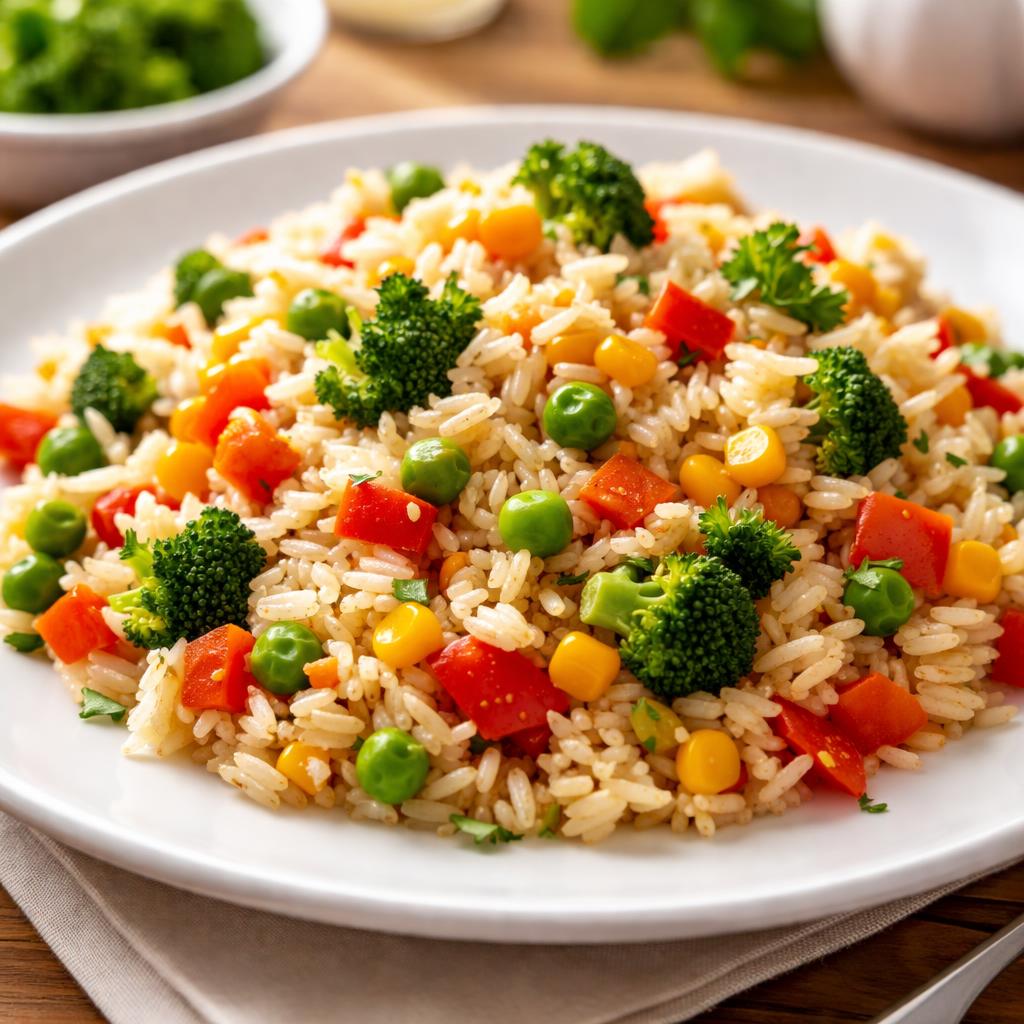
Rice With Vegetables
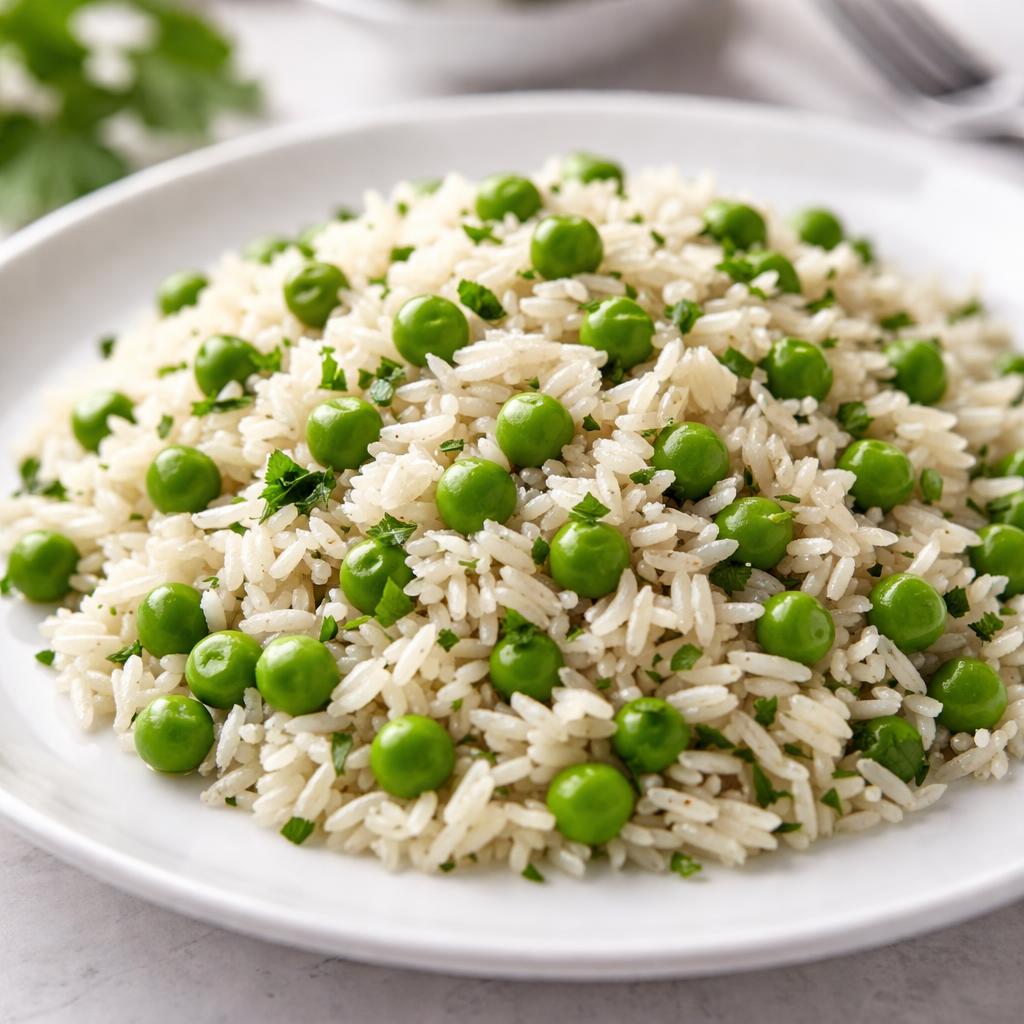
Rice And Peas
🎯 Quick Verdict
Rice with vegetables (Food 1) is lower in calories and fat while offering an array of vitamins and minerals from vegetables, making it a great low-calorie option. Rice and peas (Food 2) is higher in protein and fiber, thanks to the peas, making it better for satiety and muscle-building purposes. Both are nutrient-dense, plant-based meals suited for different dietary goals.

Smart Nutrition Tracking with SnapCalorie

📊 Nutritional Comparison
Macronutrients
| Nutrient | Food 1 | Food 2 | Winner |
|---|---|---|---|
| Calories | 180 per cup | 200 per cup | ✓ |
| Protein | 4g per cup | 8g per cup | ✓ |
| Carbs | 38g per cup | 35g per cup | ✓ |
| Fat | 1g per cup | 2g per cup | ✓ |
| Fiber | 2g per cup | 4g per cup | ✓ |
Vitamins & Minerals
| Nutrient | Food 1 | Food 2 | Winner |
|---|---|---|---|
| Vitamin A | 20% DV | 5% DV | ✓ |
| Vitamin C | 15% DV | 10% DV | ✓ |
| Iron | 1.5mg (8% DV) | 2mg (11% DV) | ✓ |
| Potassium | 250mg | 300mg | ✓ |
🏆 Category Winners
Protein
Food2 contains twice the protein per serving compared to Food1 due to the pea content.
Fiber
Food2 offers double the fiber per serving (4g vs 2g), enhancing satiety and digestive health.
Calories
Food1 is lower in calories per serving, making it a better option for weight-conscious individuals.
Vitamins
Food1 provides higher amounts of Vitamin A and Vitamin C due to the vegetable variety included.
🥗 Diet Compatibility
Keto
Food 1: Not Compatible
Food 2: Not Compatible
Both foods are high in carbohydrates and unsuitable for keto diets.
Vegan
Food 1: Compatible
Food 2: Compatible
Both meals are entirely plant-based.
Gluten Free
Food 1: Compatible
Food 2: Compatible
Neither contains any gluten-containing ingredients.
Paleo
Food 1: Not Compatible
Food 2: Not Compatible
Rice is not considered paleo-compatible.
Low-Carb
Food 1: Not Compatible
Food 2: Not Compatible
Each serving is relatively high in carbohydrates (30+g).
💪 Health Benefits Comparison
Food 1 Benefits
- Lower in calories, ideal for weight management
- Rich in Vitamin A and C, supporting immune health and vision
- Provides antioxidants from vegetables
Food 2 Benefits
- Higher in protein for muscle support and repair
- Rich in fiber to aid digestion and enhance satiety
- Contains iron and potassium for better oxygen transport and heart health
✅ The Bottom Line
Choose Food 1 if looking for a low-calorie option packed with vitamins and antioxidants, ideal for weight management or lighter meals. Opt for Food 2 if you need higher protein and fiber content for satiety, muscle maintenance, and digestive health.
Choose Food 1 for: Weight loss, light meals, vitamin boost
Choose Food 2 for: Muscle-building, post-workout, high-fiber diets


