Rice With Vegetables VS Rice And Beans
A detailed nutritional comparison
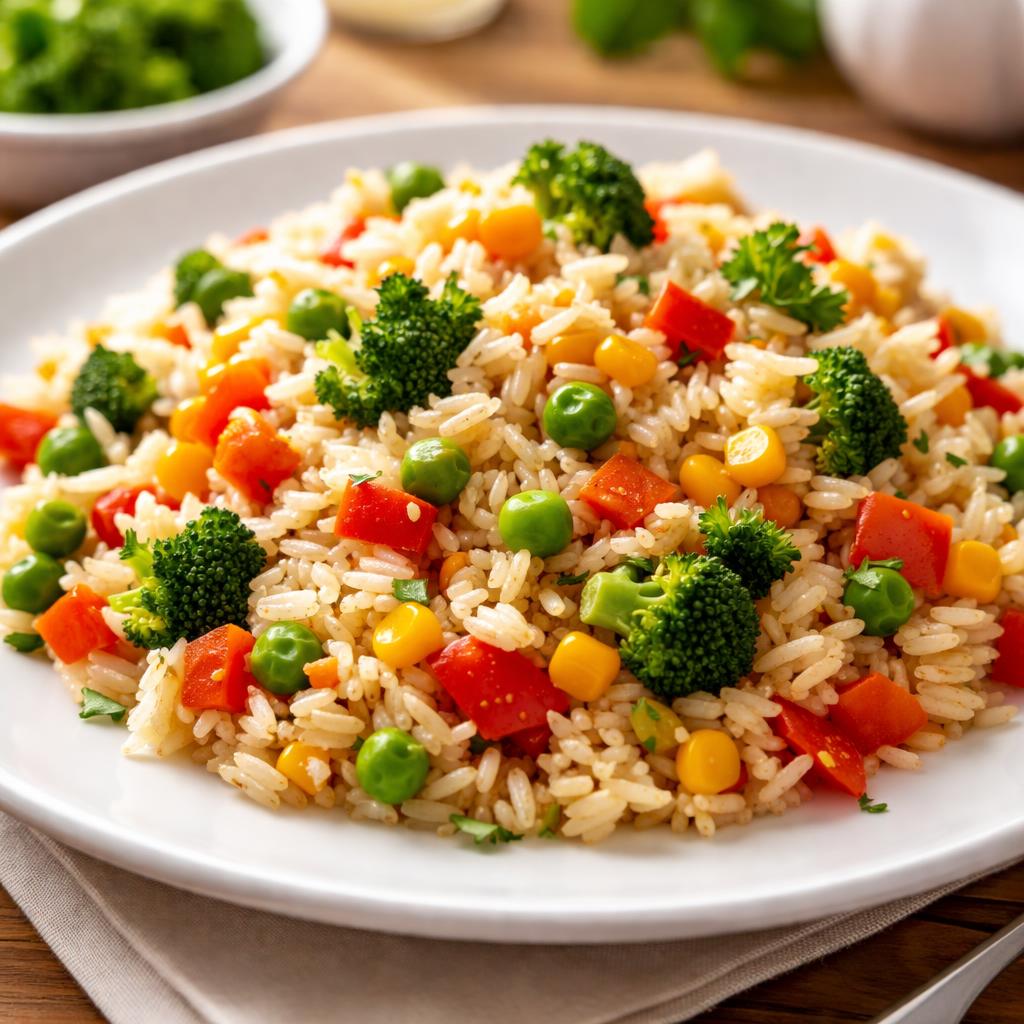
Rice With Vegetables
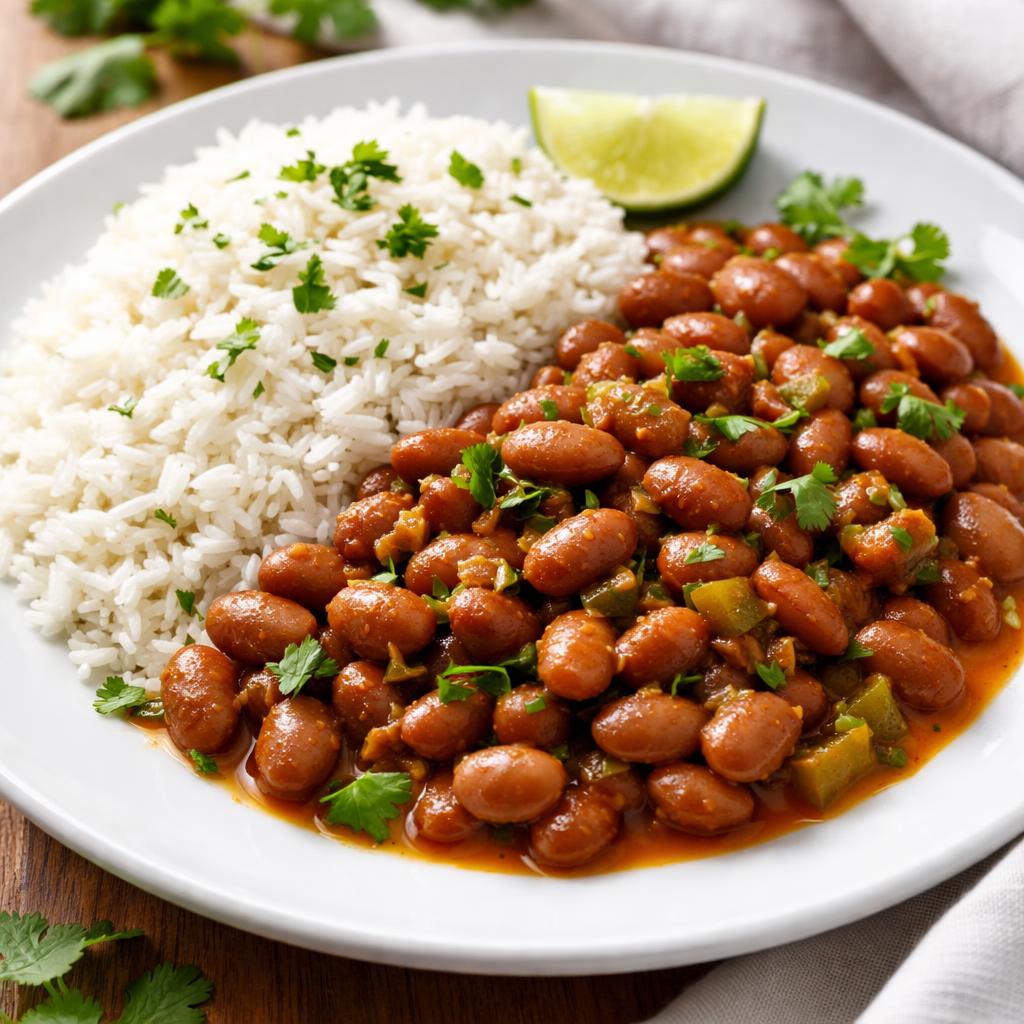
Rice And Beans
🎯 Quick Verdict
Rice with vegetables and rice and beans offer different nutritional highlights. Rice and beans have more protein and fiber due to the legumes, making them suitable for muscle building and improved digestion. Rice with vegetables has fewer fats and a wider range of vitamins, making it ideal for light, nutrient-rich meals. Both are great vegan and gluten-free options, but your choice depends on your dietary needs.

Smart Nutrition Tracking with SnapCalorie

📊 Nutritional Comparison
Macronutrients
| Nutrient | Food 1 | Food 2 | Winner |
|---|---|---|---|
| Calories | 210 | 210 | − |
| Protein | 6g | 10g | ✓ |
| Carbs | 42g | 38g | ✓ |
| Fat | 3g | 5g | ✓ |
| Fiber | 2g | 6g | ✓ |
Vitamins & Minerals
| Nutrient | Food 1 | Food 2 | Winner |
|---|---|---|---|
| Vitamin A | 300mcg | 10mcg | ✓ |
| Vitamin C | 25mg | 3mg | ✓ |
| Potassium | 350mg | 450mg | ✓ |
🏆 Category Winners
Protein
Rice and beans provide 66% more protein thanks to the legumes.
Fiber
Fiber content in rice and beans is 3x higher, supporting better digestion.
Calories
Both meals have identical calorie counts of 210 kcal per serving.
Vitamins
Rice with vegetables contains significantly higher vitamin A and C levels.
🥗 Diet Compatibility
Keto
Food 1: Not Compatible
Food 2: Not Compatible
Both are high-carb meals.
Vegan
Food 1: Compatible
Food 2: Compatible
Both dishes are plant-based and free of animal products.
Gluten Free
Food 1: Compatible
Food 2: Compatible
Neither rice nor the accompanying ingredients contain gluten.
Paleo
Food 1: Not Compatible
Food 2: Not Compatible
Beans are excluded from strict paleo diets, and rice is not allowed either.
Low Carb
Food 1: Not Compatible
Food 2: Not Compatible
Both meals are rich in carbohydrates, unsuitable for low-carb diets.
💪 Health Benefits Comparison
Food 1 Benefits
- Promotes immune health with high vitamin C levels
- Low in fats, ideal for heart health
- Rich in vitamin A for eye health
Food 2 Benefits
- Improves muscle recovery with higher protein content
- Supports gut health with increased fiber
- Provides sustained energy with complex carbohydrates
✅ The Bottom Line
Rice with vegetables is better for nutrient variety and lighter meals, while rice and beans excel in protein and fiber. Choose rice with vegetables for immune health or calorie-conscious needs, and opt for rice and beans if focusing on muscle recovery or stomach health.
Choose Food 1 for: Light meals, immune health, nutrient-focused diets
Choose Food 2 for: Muscle building, digestion health, sustained energy


