Rice With Vegetables VS Mexican Rice
A detailed nutritional comparison
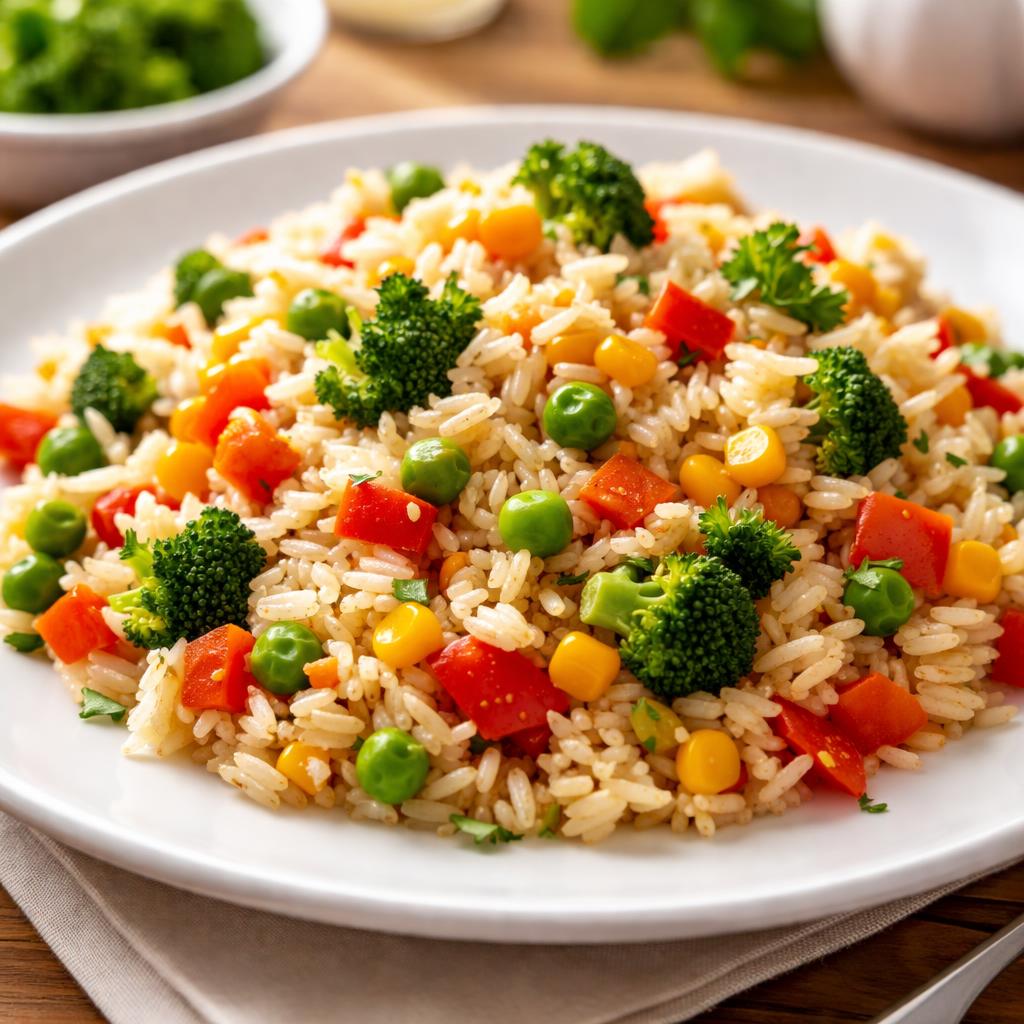
Rice With Vegetables
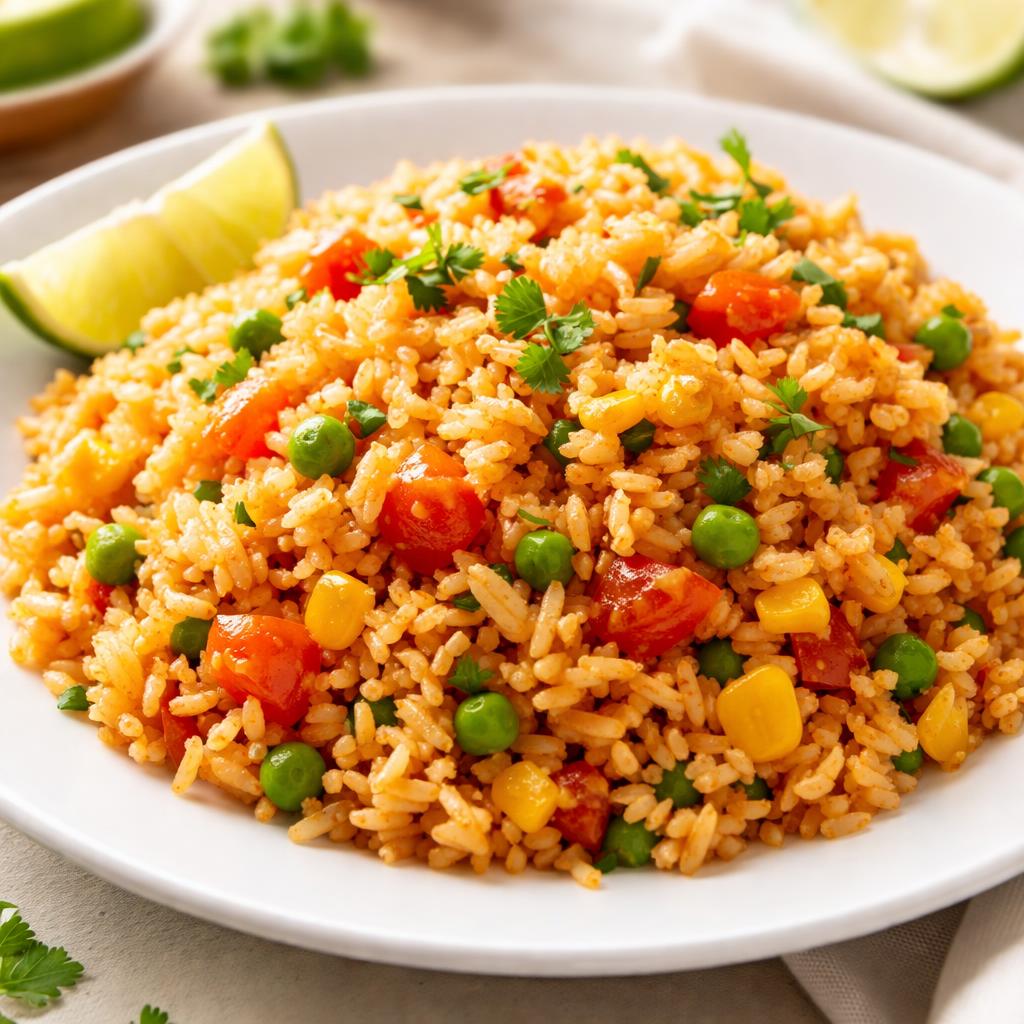
Mexican Rice
🎯 Quick Verdict
Rice with vegetables generally provides lower calories, more protein, and higher fiber compared to Mexican rice. Mexican rice often contains added oils and spices, increasing calories and fat but giving it richer flavor and antioxidant benefits. Food1 is better suited for light, nutrient-dense meals, while Food2 is better for indulgent and heartier dishes.

Smart Nutrition Tracking with SnapCalorie

📊 Nutritional Comparison
Macronutrients
| Nutrient | Food 1 | Food 2 | Winner |
|---|---|---|---|
| Calories | 150 per cup | 200 per cup | ✓ |
| Protein | 5g per cup | 4g per cup | ✓ |
| Carbs | 30g per cup | 35g per cup | ✓ |
| Fat | 2g per cup | 6g per cup | ✓ |
| Fiber | 4g per cup | 2g per cup | ✓ |
Vitamins & Minerals
| Nutrient | Food 1 | Food 2 | Winner |
|---|---|---|---|
| Vitamin C | 10mg per cup | 4mg per cup | ✓ |
| Vitamin A | 150mcg per cup | 90mcg per cup | ✓ |
| Iron | 1.5mg per cup | 2mg per cup | ✓ |
🏆 Category Winners
Protein
Rice with vegetables has 25% more protein than Mexican rice.
Fiber
Rice with vegetables provides 100% more fiber than Mexican rice.
Calories
Rice with vegetables has 25% fewer calories.
Vitamins
Food1 has significantly higher Vitamin C and A for immune and eye health, while Food2 has more iron for energy support.
🥗 Diet Compatibility
Keto
Food 1: Not Compatible
Food 2: Not Compatible
Both are high in carbs and unsuitable for keto diets.
Vegan
Food 1: Compatible
Food 2: Compatible
Both are plant-based and vegan-friendly.
Gluten Free
Food 1: Compatible
Food 2: Compatible
Neither contains gluten, provided no additives are used.
Paleo
Food 1: Not Compatible
Food 2: Not Compatible
Rice is not allowed in paleo diets.
Low-Carb
Food 1: Not Compatible
Food 2: Not Compatible
Both are relatively high in carbs.
💪 Health Benefits Comparison
Food 1 Benefits
- Low in calories for weight management
- Rich in fiber for improved digestion
- Higher vitamin C promotes immune health
- A balanced protein-carb ratio supports post-workout recovery
Food 2 Benefits
- Provides quick energy due to higher carbs
- Contains healthy fats for satiety
- Rich iron content aids in oxygen transport
- Spices offer antioxidant and anti-inflammatory benefits
✅ The Bottom Line
Rice with vegetables is ideal for those prioritizing lower calories, better fiber content, and overall nutrient density. Mexican rice, while higher in calories and fat, provides richer flavor and energy, making it better suited for indulgent meals or higher-energy demands.
Choose Food 1 for: Weight management, nutrient-rich meals, light vegan dishes
Choose Food 2 for: Rich and flavorful meals, energy boosts, nutrient-dense comfort food


