Rice With Vegetables VS Japanese Rice
A detailed nutritional comparison
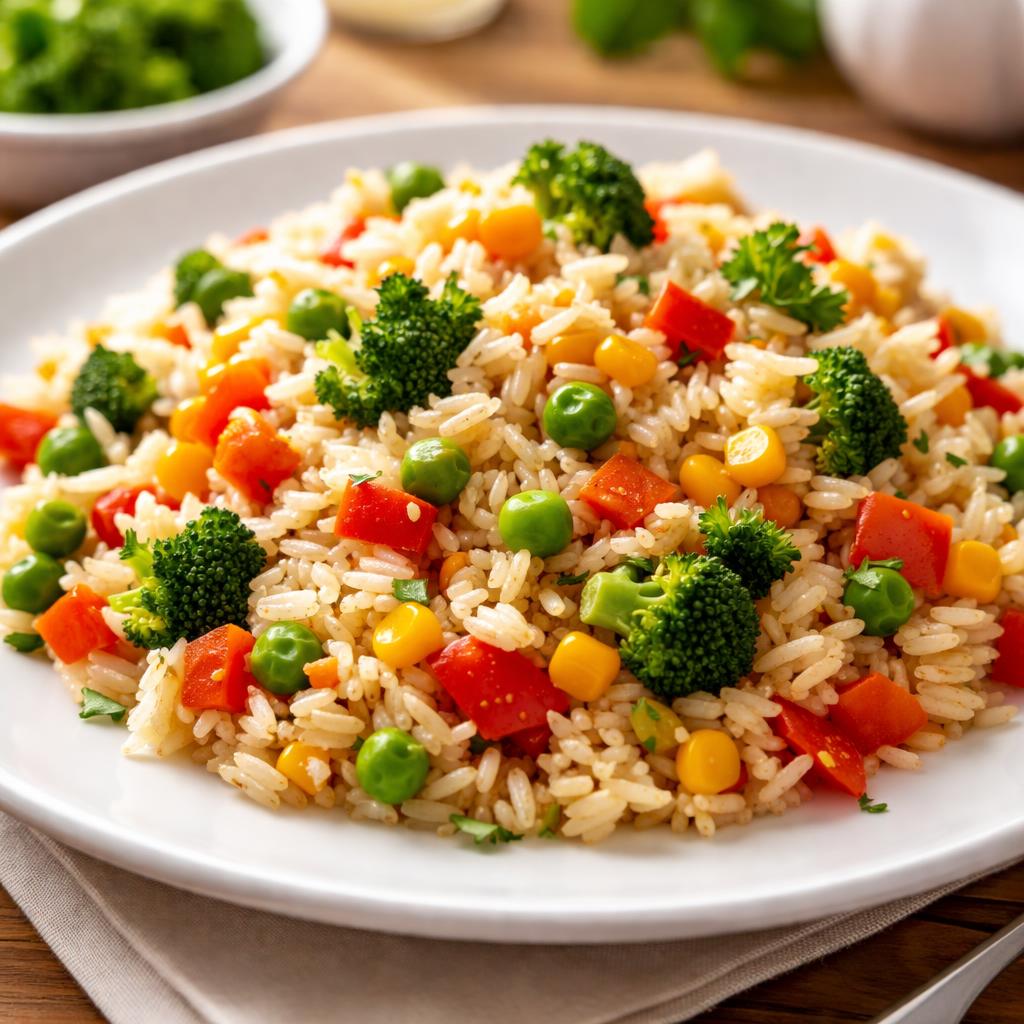
Rice With Vegetables
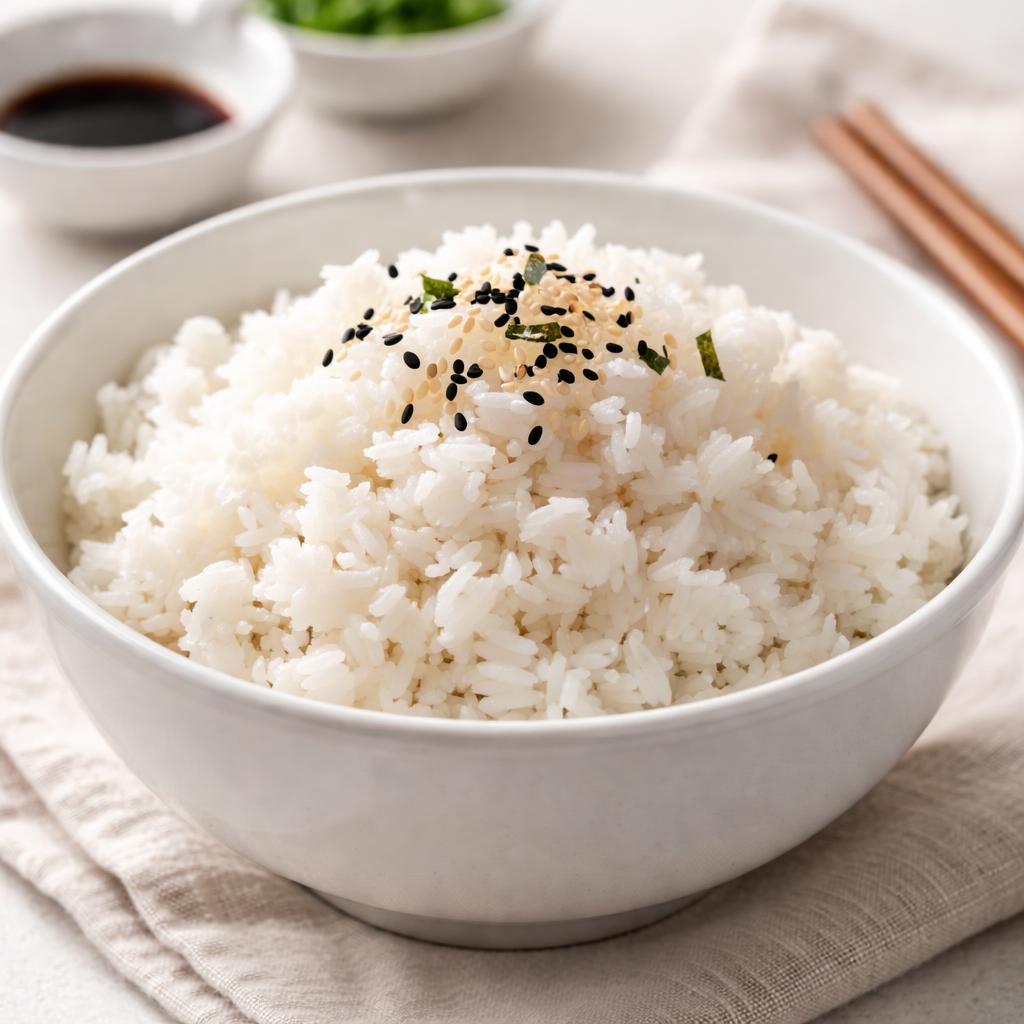
Japanese Rice
🎯 Quick Verdict
Rice with vegetables (food1) is nutritionally superior due to higher protein, fiber, and vitamin content, stemming from its vegetable inclusion. Japanese rice (food2) is lower in calories and provides sustained energy due to its carbohydrate content. Food1 is ideal for nutrient-dense meals, while food2 suits lighter, energy-focused dishes.

Smart Nutrition Tracking with SnapCalorie

📊 Nutritional Comparison
Macronutrients
| Nutrient | Food 1 | Food 2 | Winner |
|---|---|---|---|
| Calories | 180 | 140 | ✓ |
| Protein | 6g | 3g | ✓ |
| Carbs | 35g | 38g | ✓ |
| Fat | 3g | 0.5g | ✓ |
| Fiber | 4g | 0.8g | ✓ |
Vitamins & Minerals
| Nutrient | Food 1 | Food 2 | Winner |
|---|---|---|---|
| Vitamin C | 10mg | 0mg | ✓ |
| Vitamin A | 200IU | 0IU | ✓ |
| Iron | 1.5mg | 0.3mg | ✓ |
🏆 Category Winners
Protein
Food1 provides 50% more protein, primarily from vegetables included in the meal.
Fiber
Food1 contains 5x more fiber due to vegetable content.
Calories
Japanese rice has 22% fewer calories than food1, making it better for lighter meals.
🥗 Diet Compatibility
Keto
Food 1: Not Compatible
Food 2: Not Compatible
Both are high-carb, which does not align with keto guidelines.
Vegan
Food 1: Compatible
Food 2: Compatible
Both are plant-based and suitable for vegan diets.
Gluten Free
Food 1: Compatible
Food 2: Compatible
Neither contains gluten, making them gluten-free options.
Paleo
Food 1: Not Compatible
Food 2: Not Compatible
Rice is not considered paleo-friendly.
Low-Carb
Food 1: Not Compatible
Food 2: Not Compatible
Both foods are carbohydrate-heavy and unsuitable for low-carb diets.
💪 Health Benefits Comparison
Food 1 Benefits
- Rich in fiber for enhanced digestion
- Good source of protein for muscle building and repair
- Contains vitamin C to support immune health
- Provides iron for improved oxygen transport in the body
Food 2 Benefits
- Lower in calories for weight management
- Provides steady energy due to its carbohydrate content
- Easily digestible, making it suitable for sensitive stomachs
- Gluten-free option ideal for those with gluten intolerance
✅ The Bottom Line
Rice with vegetables (food1) is more nutrient-dense, offering fiber, protein, and vitamins—perfect for balanced meals prioritizing nutrition. Japanese rice (food2), with lower calories and higher carbs, is better suited for lighter meals or as a base for energy-focused dishes.
Choose Food 1 for: Highly nutritious meals, post-workout recovery, balanced diets
Choose Food 2 for: Light meals, sustained energy for physical activity, sensitive digestion


