Rice With Vegetables VS Glass Noodles
A detailed nutritional comparison
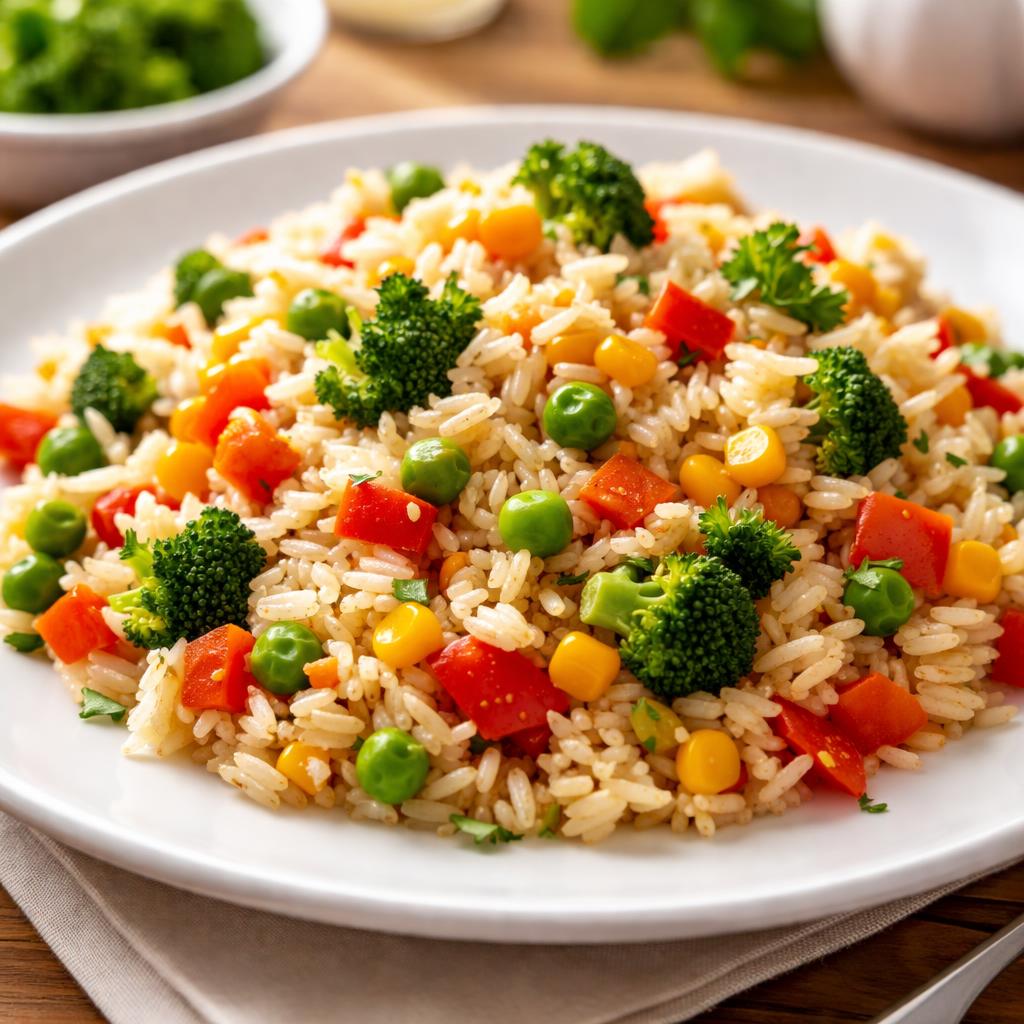
Rice With Vegetables
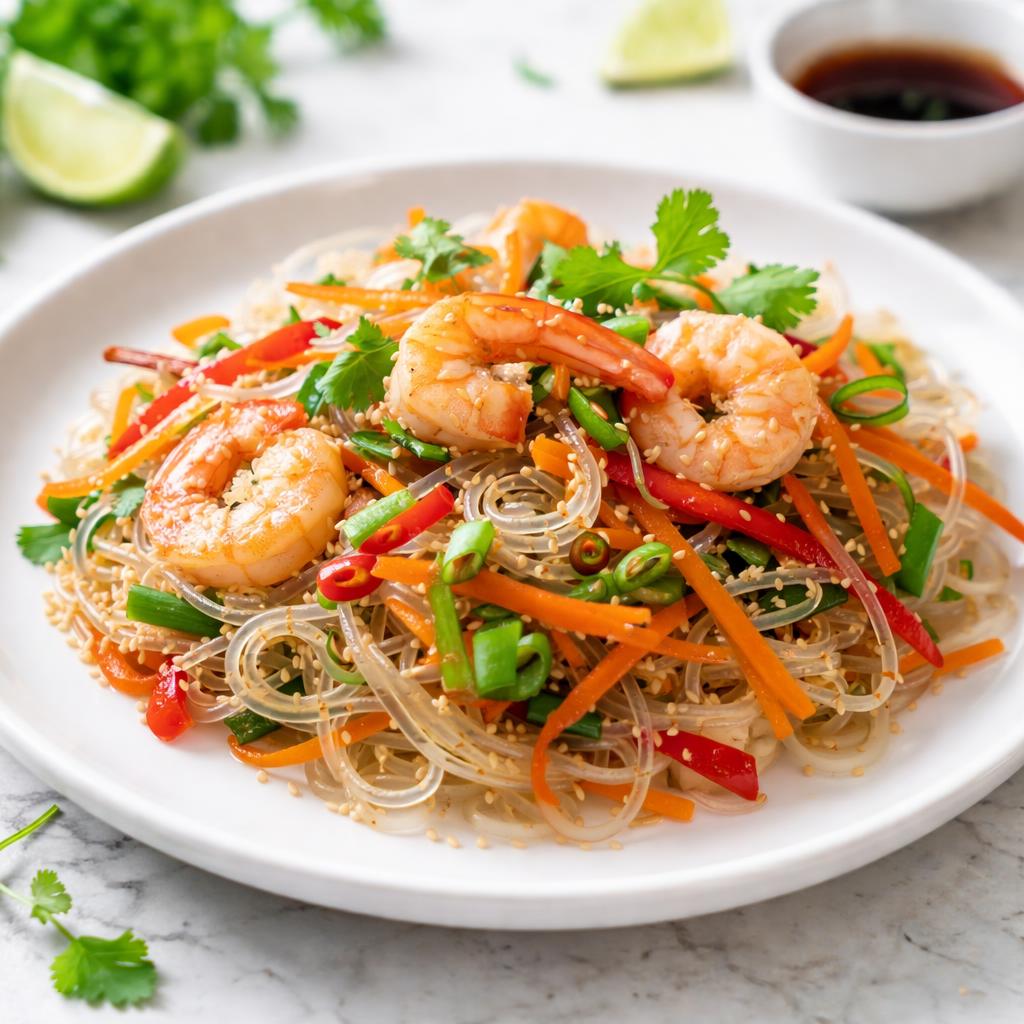
Glass Noodles
🎯 Quick Verdict
Rice with vegetables offers a more nutrient-dense profile with higher protein, fiber, and fewer calories compared to glass noodles. Glass noodles are lower in nutrients but provide quick-digesting carbs, making them a better option for energy bursts or lighter meals. Rice with vegetables is more versatile and balanced for everyday dietary needs.

Smart Nutrition Tracking with SnapCalorie

📊 Nutritional Comparison
Macronutrients
| Nutrient | Food 1 | Food 2 | Winner |
|---|---|---|---|
| Calories | 150 | 200 | ✓ |
| Protein | 4g | 1g | ✓ |
| Carbs | 30g | 45g | ✓ |
| Fat | 1g | 0g | ✓ |
| Fiber | 2g | 0g | ✓ |
Vitamins & Minerals
| Nutrient | Food 1 | Food 2 | Winner |
|---|---|---|---|
| Vitamin A | 350mcg | 0mcg | ✓ |
| Vitamin C | 15mg | 0mg | ✓ |
| Iron | 1.5mg | 0.5mg | ✓ |
🏆 Category Winners
Protein
Rice with vegetables contains 4g of protein, significantly more than glass noodles.
Fiber
Rice with vegetables delivers 2g of fiber per serving, while glass noodles have none.
Calories
Rice with vegetables has 25% fewer calories per serving compared to glass noodles.
🥗 Diet Compatibility
Keto
Food 1: Not Compatible
Food 2: Not Compatible
Both are high in carbohydrates, which do not align with ketogenic guidelines.
Vegan
Food 1: Compatible
Food 2: Compatible
Both are plant-based and free of animal products.
Gluten Free
Food 1: Compatible
Food 2: Compatible
Neither rice nor glass noodles contain gluten.
Paleo
Food 1: Compatible
Food 2: Not Compatible
Rice with vegetables fits within paleo principles, but glass noodles made from refined starches do not.
Low-Carb
Food 1: Not Compatible
Food 2: Not Compatible
Both foods have moderate to high carbohydrate content making them unsuitable for a low-carb diet.
💪 Health Benefits Comparison
Food 1 Benefits
- Provides complex carbs for sustained energy
- Rich in fiber for better digestion
- Offers beneficial vitamins like A and C from vegetables
- Contains plant-based protein for muscle repair
Food 2 Benefits
- Low-fat and easy to digest, ideal for light meals
- Quick source of energy due to high carb content
- Minimal processing makes it suitable for gluten-free diets
- Versatile as a base for various dishes
✅ The Bottom Line
Rice with vegetables is the better choice for balanced nutrition, offering fiber, vitamins, and varied macronutrients, making it suitable for everyday meals and post-workout recovery. Glass noodles are more appropriate for quick energy boosts, lighter meals, or if gluten-free simplicity is your priority.
Choose Food 1 for: Weight management, muscle repair, balanced meals
Choose Food 2 for: Quick energy, light meals, gluten-free diets


