Rice With Vegetables VS Buckwheat
A detailed nutritional comparison
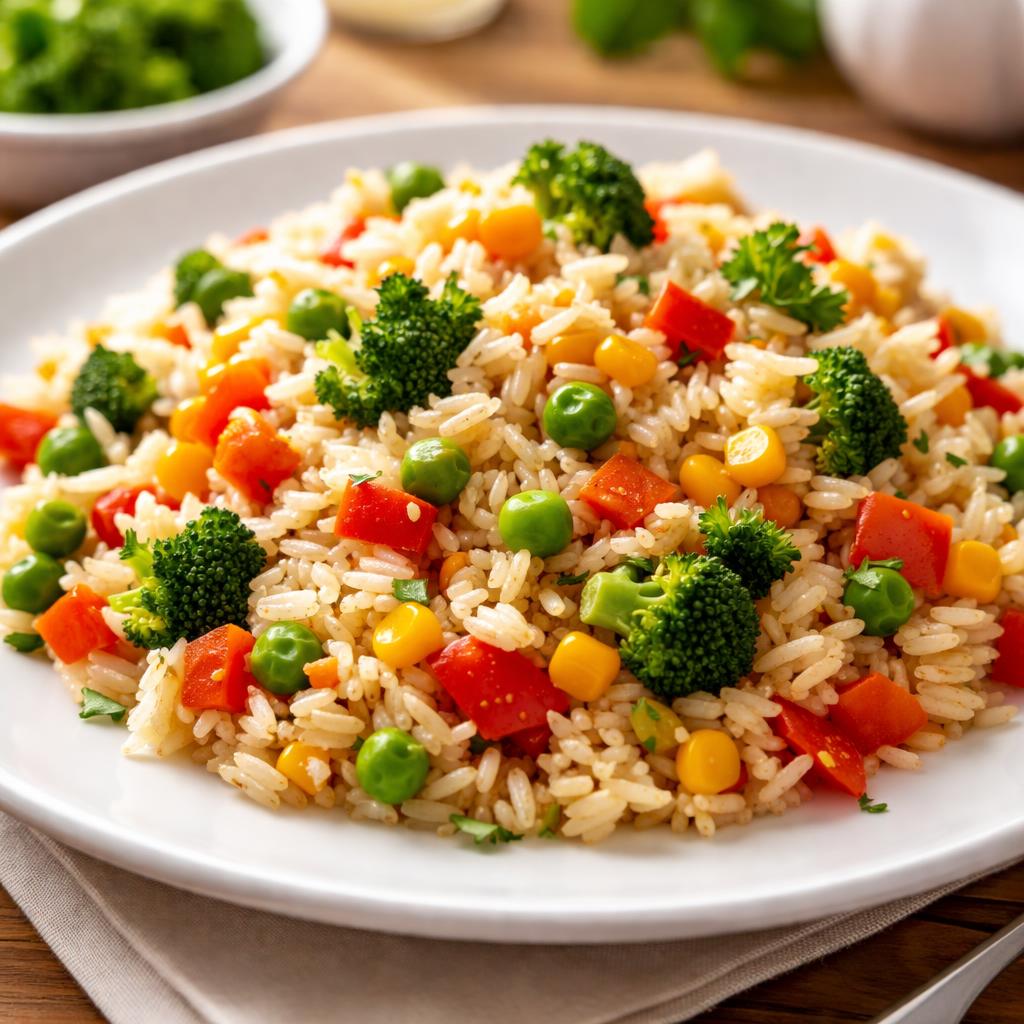
Rice With Vegetables
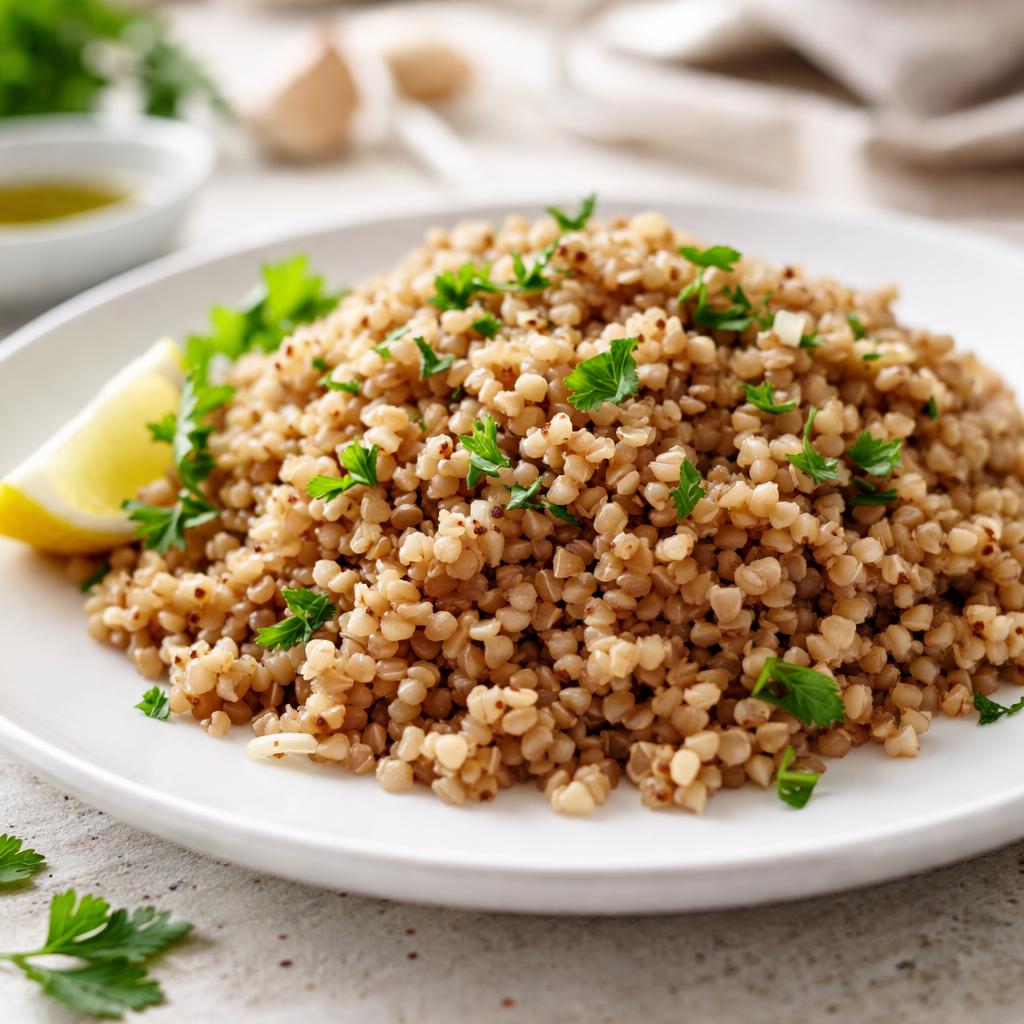
Buckwheat
🎯 Quick Verdict
Buckwheat takes the lead as a nutrient-dense food, providing more protein, fiber, and essential minerals compared to rice with vegetables, which is lower in calories and carbohydrates. Rice with vegetables is a lighter option, ideal for calorie-conscious diets, while buckwheat shines for energy and satiation thanks to its complex carbohydrates and higher nutrient density.

Smart Nutrition Tracking with SnapCalorie

📊 Nutritional Comparison
Macronutrients
| Nutrient | Food 1 | Food 2 | Winner |
|---|---|---|---|
| Calories | 150 per 1 cup cooked | 170 per 1 cup cooked | ✓ |
| Protein | 4g per 1 cup cooked | 6g per 1 cup cooked | ✓ |
| Carbs | 33g per 1 cup cooked | 34g per 1 cup cooked | − |
| Fat | 0.5g per 1 cup cooked | 1g per 1 cup cooked | ✓ |
| Fiber | 2g per 1 cup cooked | 5g per 1 cup cooked | ✓ |
Vitamins & Minerals
| Nutrient | Food 1 | Food 2 | Winner |
|---|---|---|---|
| Vitamin B6 | 0.1mg per 1 cup cooked | 0.07mg per 1 cup cooked | ✓ |
| Magnesium | 27mg per 1 cup cooked | 86mg per 1 cup cooked | ✓ |
| Potassium | 70mg per 1 cup cooked | 112mg per 1 cup cooked | ✓ |
| Iron | 0.3mg per 1 cup cooked | 1.3mg per 1 cup cooked | ✓ |
🏆 Category Winners
Protein
Buckwheat has 50% more protein per serving, supporting muscle building and tissue repair.
Fiber
Buckwheat contains more than twice the fiber of rice with vegetables, aiding digestion and satiety.
Calories
Rice with vegetables has 20 fewer calories per serving, making it a better choice for calorie-conscious meals.
Vitamins
Buckwheat delivers significantly higher levels of magnesium, potassium, and iron compared to rice with vegetables.
🥗 Diet Compatibility
Keto
Food 1: Not Compatible
Food 2: Not Compatible
Both foods are high in carbohydrates and not suitable for keto diets.
Vegan
Food 1: Compatible
Food 2: Compatible
Both foods are plant-based and suitable for vegan diets.
Gluten Free
Food 1: Compatible
Food 2: Compatible
Neither food contains gluten, making them appropriate for gluten-free diets.
Paleo
Food 1: Not Compatible
Food 2: Not Compatible
Both foods are grains or grain-like and not included in traditional paleo diets.
Low Carb
Food 1: Not Compatible
Food 2: Not Compatible
Both options are high in carbohydrates.
💪 Health Benefits Comparison
Food 1 Benefits
- Low in calories, suitable for weight management
- Provides essential vitamins like Vitamin B6 for metabolic function
- Easily digestible and gentle on the stomach
Food 2 Benefits
- Rich in protein for energy and muscle repair
- High in fiber for improved digestion and longer satiety
- Excellent source of magnesium and potassium for heart health and nerve function
- Contains antioxidants that support overall health
✅ The Bottom Line
Choose rice with vegetables for a lighter, calorie-conscious meal that is gentle on the stomach and ideal for weight management. Opt for buckwheat when seeking a nutrient-dense option with more protein, fiber, and minerals to support energy and satiation.
Choose Food 1 for: Weight loss, easy-to-digest meals, light eating options
Choose Food 2 for: Energy sustainment, nutrient-dense diets, high-fiber eating plans


