Rice With Vegetables VS Bread Toast
A detailed nutritional comparison
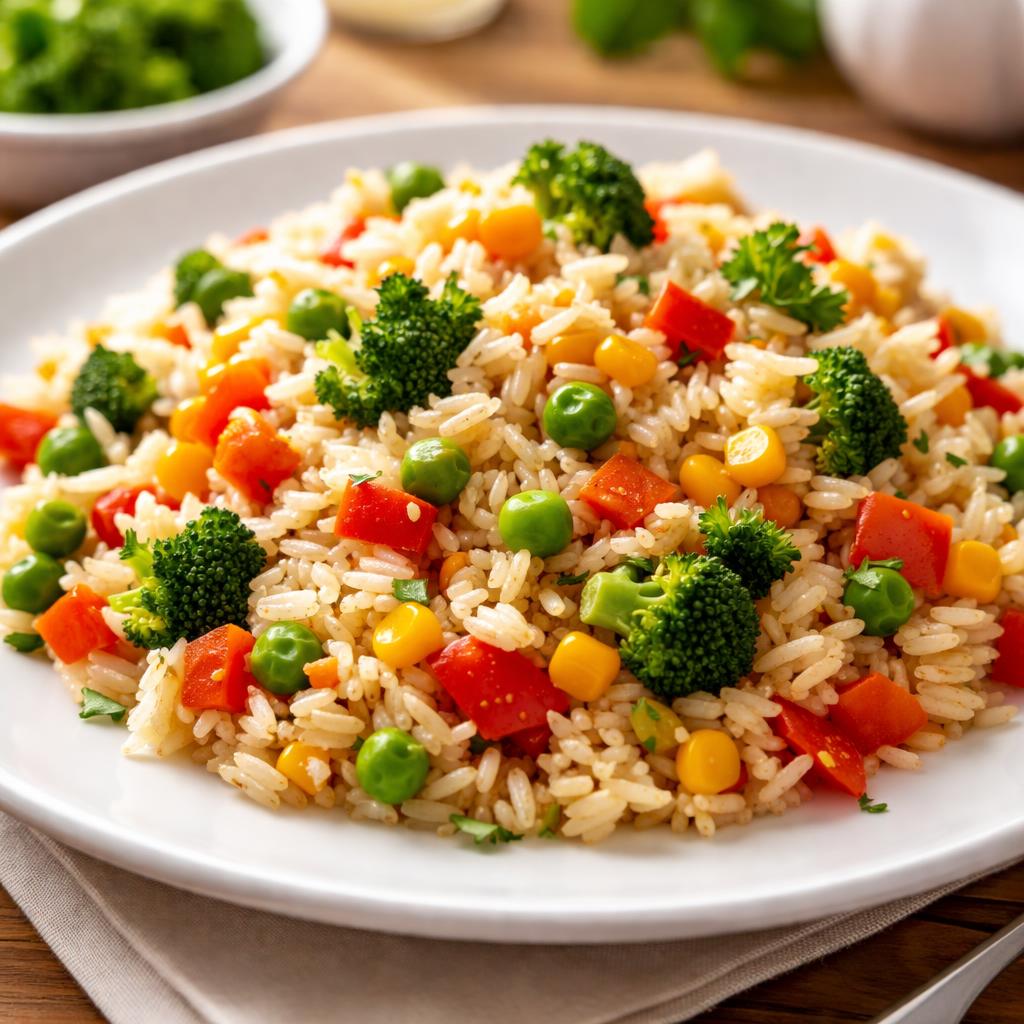
Rice With Vegetables
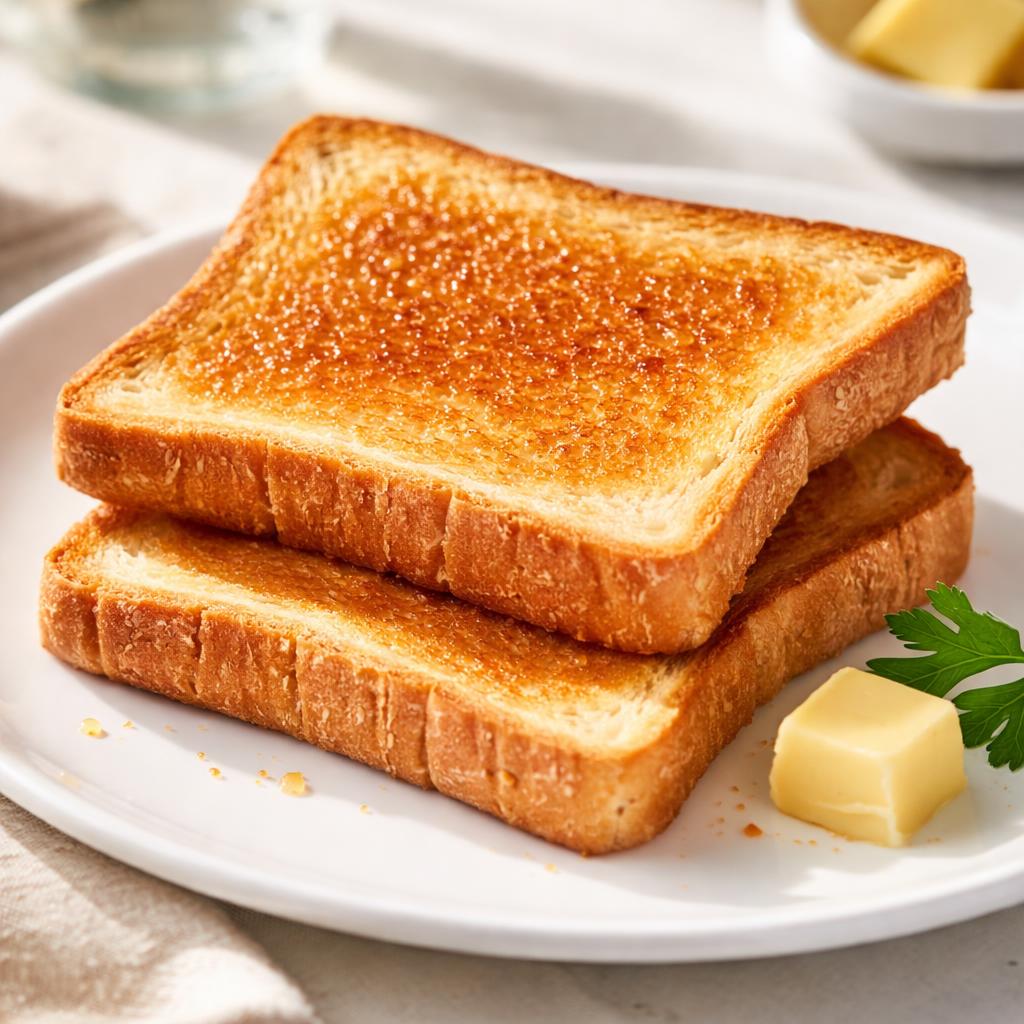
Bread Toast
🎯 Quick Verdict
Rice with vegetables and bread toast differ significantly in their nutritional profiles. Rice with vegetables is higher in fiber and micronutrients, making it better for digestion and overall health. Bread toast, while lower in calories and slightly higher in protein per serving, lacks fiber and vitamins compared to the vegetable-rich dish.

Smart Nutrition Tracking with SnapCalorie

📊 Nutritional Comparison
Macronutrients
| Nutrient | Food 1 | Food 2 | Winner |
|---|---|---|---|
| Calories | 180 | 120 | ✓ |
| Protein | 4g | 5g | ✓ |
| Carbs | 35g | 22g | ✓ |
| Fat | 2g | 1g | ✓ |
| Fiber | 3.5g | 1g | ✓ |
Vitamins & Minerals
| Nutrient | Food 1 | Food 2 | Winner |
|---|---|---|---|
| Vitamin C | 15mg | 0mg | ✓ |
| Vitamin A | 300mcg | 0mcg | ✓ |
| Iron | 1.8mg | 0.7mg | ✓ |
| Calcium | 40mg | 10mg | ✓ |
🏆 Category Winners
Protein
Bread toast contains 1g more protein per serving than rice with vegetables.
Fiber
Rice with vegetables contains 3.5g of fiber, while bread toast contains only 1g.
Calories
Bread toast has 60 fewer calories than rice with vegetables.
Vitamins
Rice with vegetables is rich in vitamins like Vitamin C and Vitamin A, which bread toast lacks.
🥗 Diet Compatibility
Keto
Food 1: Not Compatible
Food 2: Not Compatible
Both foods are high in carbohydrates.
Vegan
Food 1: Compatible
Food 2: Compatible
Both foods are free from animal products.
Gluten Free
Food 1: Compatible
Food 2: Not Compatible
Rice with vegetables is naturally gluten-free, while bread toast contains gluten.
Paleo
Food 1: Not Compatible
Food 2: Not Compatible
Both foods contain grains, which are not allowed in paleo diets.
Low Carb
Food 1: Not Compatible
Food 2: Not Compatible
Both are relatively high in carbohydrates.
💪 Health Benefits Comparison
Food 1 Benefits
- High in fiber for better digestion and gut health
- Rich in Vitamin C for immune support
- Provides essential micronutrients like iron and calcium
Food 2 Benefits
- Quick energy source due to its low calorie and carbohydrate profile
- Contains moderate protein for muscle maintenance
- Convenient option for breakfast or snacks
✅ The Bottom Line
Rice with vegetables is a more nutrient-dense choice, suitable for those seeking fiber and vitamins for overall health. Bread toast is a low-calorie, quick option for breakfast or light snacking but lacks significant nutrient depth. Use food1 for balanced meals or post-workout recovery and food2 for quick energy boosts or when counting calories.
Choose Food 1 for: Balanced meals, fiber-rich diets, immune health
Choose Food 2 for: Low-calorie diets, quick breakfasts, light snacks


