Rice VS White Bread
A detailed nutritional comparison

Rice
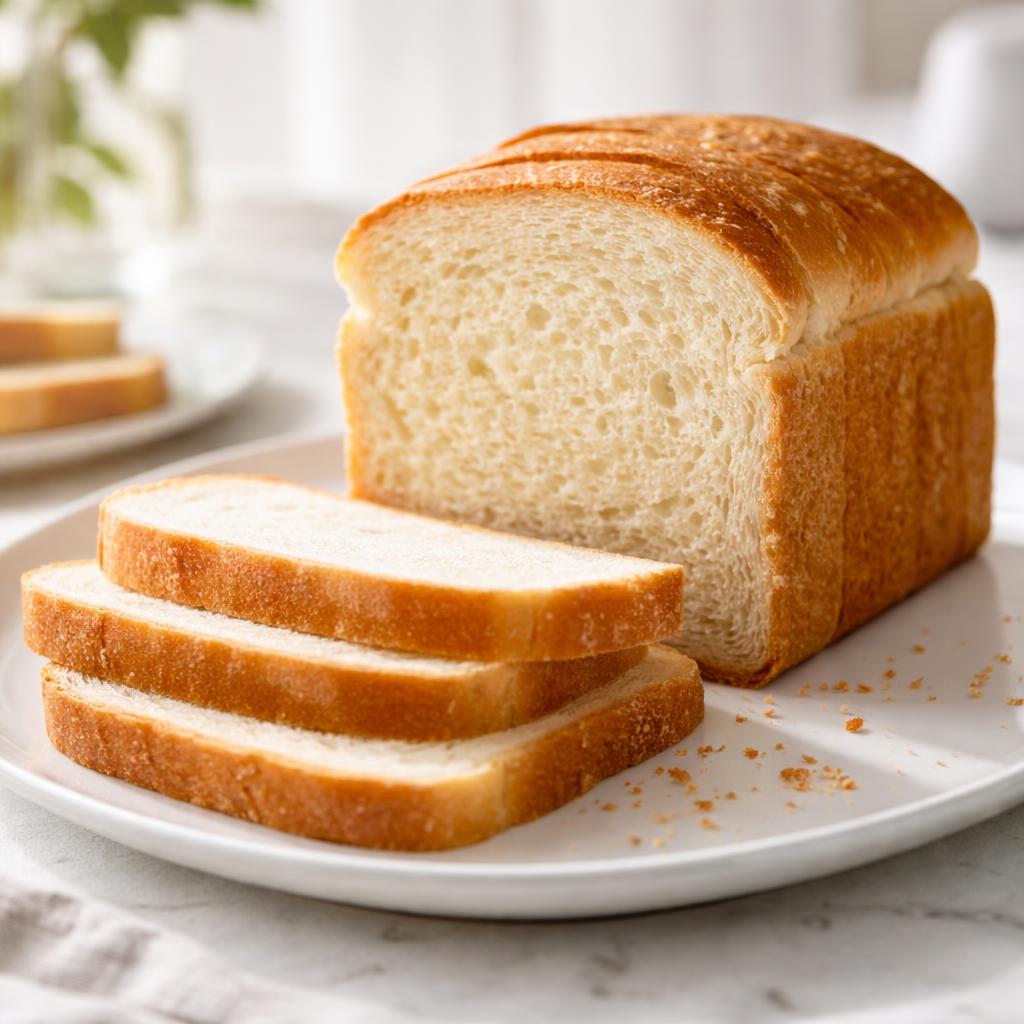
White Bread
🎯 Quick Verdict
Rice (food1) is lower in calories and higher in fiber compared to white bread (food2), making it a better choice for weight management and digestion. White bread has slightly higher protein, but it is more processed and lacks the versatility of rice in various diets. Rice is best for gluten-free and low-carb meals, while white bread offers quick energy but may not be suitable for those avoiding refined carbs.

Smart Nutrition Tracking with SnapCalorie

📊 Nutritional Comparison
Macronutrients
| Nutrient | Food 1 | Food 2 | Winner |
|---|---|---|---|
| Calories | 130 | 265 | ✓ |
| Protein | 2g | 8g | ✓ |
| Carbs | 28g | 49g | ✓ |
| Fat | 0.3g | 1g | ✓ |
| Fiber | 0.4g | 0.2g | ✓ |
Vitamins & Minerals
| Nutrient | Food 1 | Food 2 | Winner |
|---|---|---|---|
| Vitamin B1 (Thiamine) | 0.4mg | 0.2mg | ✓ |
| Folate | 8mcg | 50mcg | ✓ |
| Iron | 0.2mg | 2.4mg | ✓ |
🏆 Category Winners
Protein
White bread contains 4x more protein per serving than rice.
Fiber
Rice has double the fiber content of white bread.
Calories
Rice provides 51% fewer calories per serving.
Vitamins
White bread is fortified with folate and iron.
🥗 Diet Compatibility
Keto
Food 1: Not Compatible
Food 2: Not Compatible
Both are high-carb and unsuitable for keto diets.
Vegan
Food 1: Compatible
Food 2: Compatible
Both rice and white bread are plant-based foods.
Gluten Free
Food 1: Compatible
Food 2: Not Compatible
Rice is naturally gluten-free, whereas white bread contains gluten.
Paleo
Food 1: Compatible
Food 2: Not Compatible
Rice fits within the paleo framework, but white bread does not due to processing.
Low-Carb
Food 1: Not Compatible
Food 2: Not Compatible
Both foods are carb-heavy and unsuitable for strict low-carb diets.
💪 Health Benefits Comparison
Food 1 Benefits
- Lower in calories, aiding weight management
- Gluten-free, suitable for those with gluten sensitivities
- Minimal fat content, making it heart-health friendly
- Provides slow-releasing energy for sustained activity
Food 2 Benefits
- Higher in protein for muscle maintenance
- Fortified with iron, supporting better oxygen transport
- Contains folate, essential for DNA synthesis
- Quick source of energy for active lifestyles
✅ The Bottom Line
Choose rice (food1) for a lower-calorie, gluten-free option that supports digestion and weight management. Select white bread (food2) if you need a quick protein and energy boost as part of an on-the-go meal. Avoid both if you are following low-carb or keto diets.
Choose Food 1 for: Weight loss, digestion, gluten-free diets
Choose Food 2 for: Quick energy boost, protein-rich meals


