Rice VS White Beans
A detailed nutritional comparison
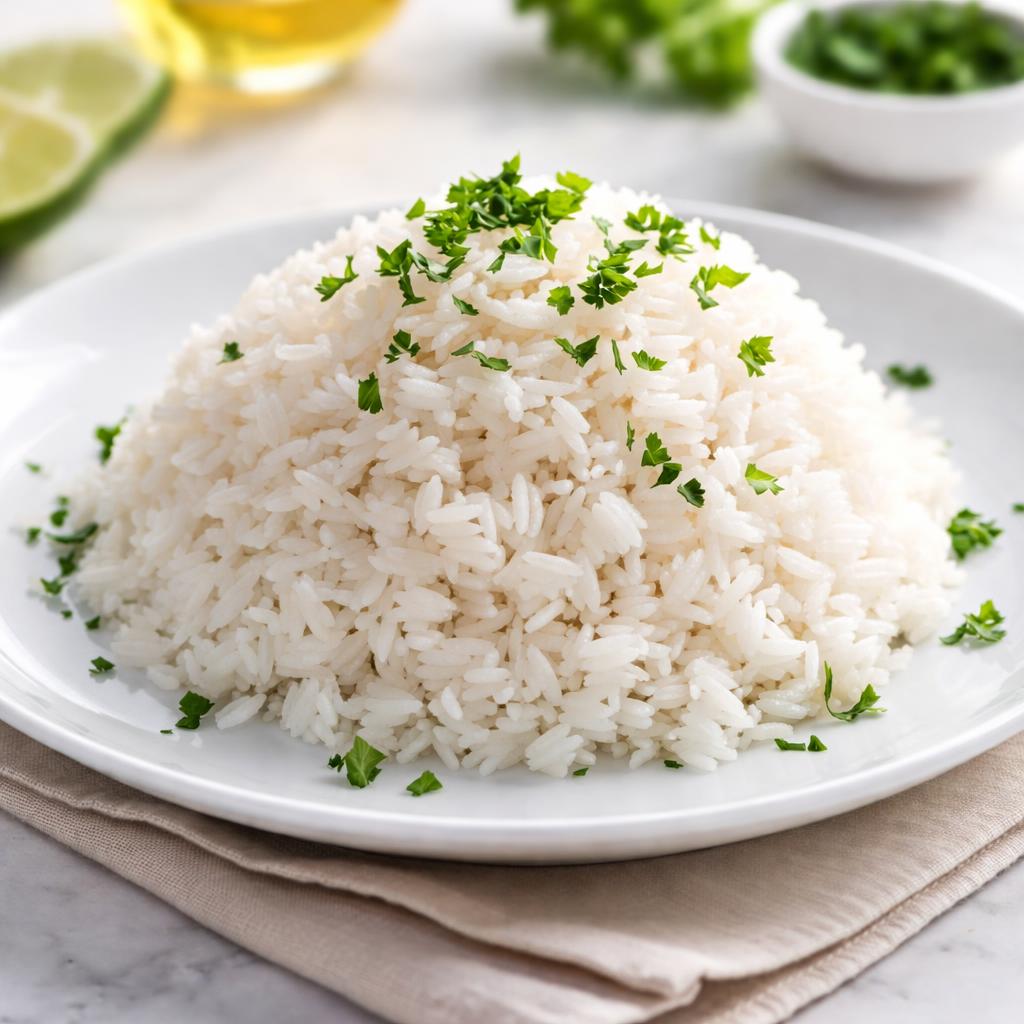
Rice
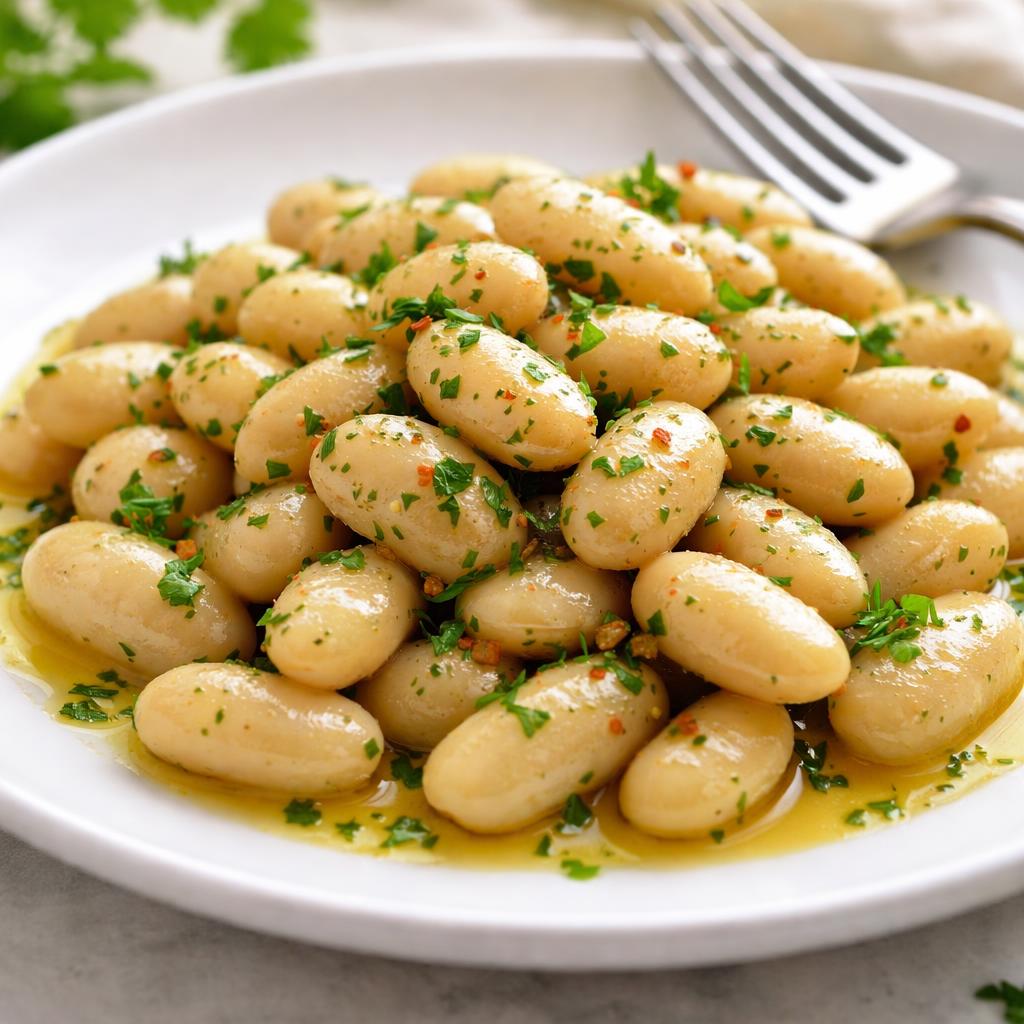
White Beans
🎯 Quick Verdict
White beans significantly outperform rice in protein and fiber content, making them ideal for supporting muscle growth and digestive health. Rice, however, is lower in calories and provides quick energy, making it a better option for low-calorie diets or carb-loading. Choose beans for nutrient density and rice for simple, calorie-conscious meals.

Smart Nutrition Tracking with SnapCalorie

📊 Nutritional Comparison
Macronutrients
| Nutrient | Food 1 | Food 2 | Winner |
|---|---|---|---|
| Calories | 130 | 140 | ✓ |
| Protein | 2.7g | 9g | ✓ |
| Carbs | 28g | 25g | ✓ |
| Fat | 0g | 0.5g | ✓ |
| Fiber | 0.3g | 6g | ✓ |
Vitamins & Minerals
| Nutrient | Food 1 | Food 2 | Winner |
|---|---|---|---|
| Vitamin D | 0mcg | 0mcg | − |
| Calcium | 10mg | 90mg | ✓ |
| Iron | 0.3mg | 2.5mg | ✓ |
🏆 Category Winners
Protein
White beans contain over 3 times more protein than rice per serving.
Fiber
White beans have 20 times more fiber than rice per serving.
Calories
Rice has slightly fewer calories than white beans, making it better for low-calorie diets.
Vitamins
White beans are richer in calcium and iron compared to rice.
🥗 Diet Compatibility
Keto
Food 1: Not Compatible
Food 2: Not Compatible
Both are high-carb foods and do not meet keto diet requirements.
Vegan
Food 1: Compatible
Food 2: Compatible
Both rice and white beans are plant-based and suitable for vegans.
Gluten Free
Food 1: Compatible
Food 2: Compatible
Both rice and white beans are naturally gluten-free.
Paleo
Food 1: Compatible
Food 2: Compatible
Both foods are considered acceptable in a paleo diet.
Low Carb
Food 1: Not Compatible
Food 2: Not Compatible
Both foods are carbohydrate-rich and not suitable for low-carb diets.
💪 Health Benefits Comparison
Food 1 Benefits
- Quick source of energy due to high carbohydrate content
- Easy to digest and light on the stomach
- Naturally gluten-free, suitable for people with gluten intolerance
Food 2 Benefits
- Excellent source of protein for muscle growth and repair
- High fiber content supports digestion and promotes satiety
- Rich in calcium and iron for bone health and oxygen transport
✅ The Bottom Line
Choose rice for low-calorie, easy-to-digest meals or carb-loading before workouts. Opt for white beans when you need a nutrient-dense option with high protein and fiber content for sustained energy and satiety.
Choose Food 1 for: Low-calorie diets, simple carb-loading, easy digestion
Choose Food 2 for: Muscle gain, fiber-rich diets, nutrient-dense meals


