Rice VS Wafer
A detailed nutritional comparison
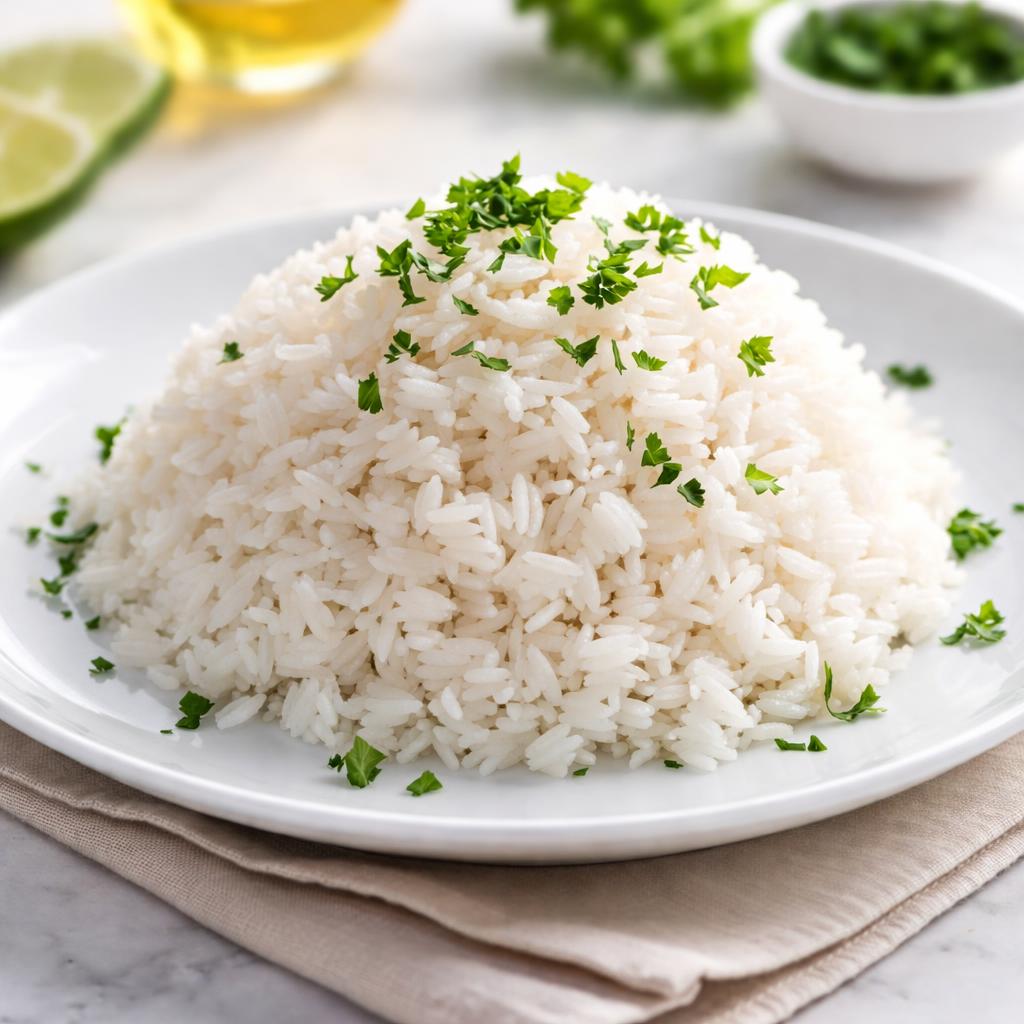
Rice
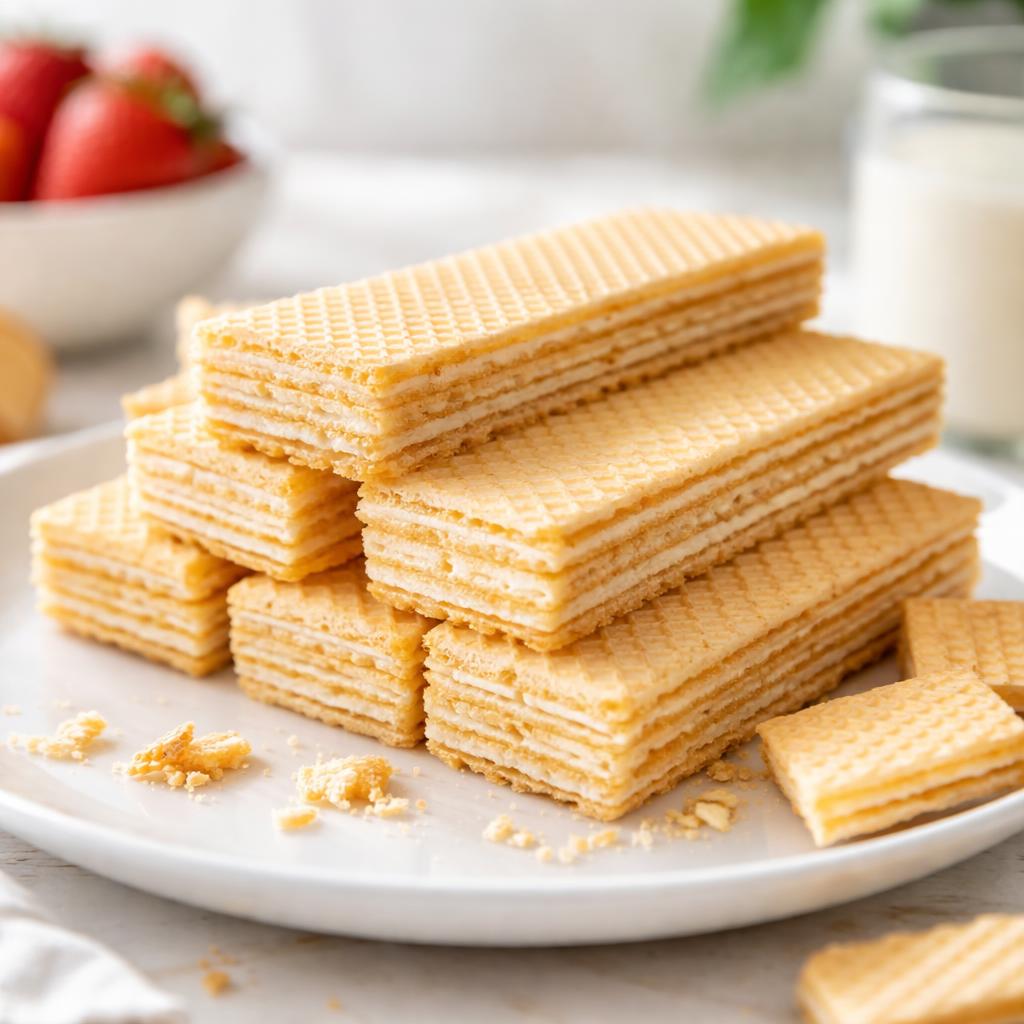
Wafer
🎯 Quick Verdict
Rice is nutritionally superior to wafers due to its lower calorie count, higher fiber content, and versatile use in balanced meals. Wafers, while convenient and tasty, are typically high in added sugars, fats, and calories, making them less suitable for regular consumption or weight loss diets.

Smart Nutrition Tracking with SnapCalorie

📊 Nutritional Comparison
Macronutrients
| Nutrient | Food 1 | Food 2 | Winner |
|---|---|---|---|
| Calories | 130 per 100g | 480 per 100g | ✓ |
| Protein | 2.7g per 100g | 2.8g per 100g | − |
| Carbs | 28g per 100g | 60g per 100g | ✓ |
| Fat | 0.3g per 100g | 22g per 100g | ✓ |
| Fiber | 0.4g per 100g | 0.2g per 100g | ✓ |
Vitamins & Minerals
| Nutrient | Food 1 | Food 2 | Winner |
|---|---|---|---|
| Vitamin D | 0mcg | 0mcg | − |
| Calcium | 10mg per 100g | 25mg per 100g | ✓ |
| Iron | 1.2mg per 100g | 0.1mg per 100g | ✓ |
🏆 Category Winners
Protein
Both rice and wafers provide a similar protein content per 100g.
Fiber
Rice contains twice as much fiber per 100g as wafers.
Calories
Rice has significantly fewer calories compared to wafers.
Vitamins
Wafers provide a slightly higher calcium content.
🥗 Diet Compatibility
Keto
Food 1: Not Compatible
Food 2: Not Compatible
Both foods are high in carbs and unsuitable for keto.
Vegan
Food 1: Compatible
Food 2: Compatible
Both are plant-based foods.
Gluten Free
Food 1: Compatible
Food 2: Not Compatible
Rice is naturally gluten-free, while wafers may contain wheat-based flour.
Paleo
Food 1: Compatible
Food 2: Not Compatible
Rice aligns with paleo diets, but wafers contain processed ingredients.
Low Carb
Food 1: Not Suitable
Food 2: Not Suitable
Both are relatively high in carbohydrates.
💪 Health Benefits Comparison
Food 1 Benefits
- Low in calories and fat, ideal for weight management
- Provides complex carbohydrates for sustained energy
- Contains trace minerals, including iron, for red blood cell production
Food 2 Benefits
- Convenient and quick source of energy
- May provide a small amount of calcium
- High in carbs, suitable for rapid energy replenishment during workouts
✅ The Bottom Line
Rice is a better overall choice as it is lower in calories, fiber-rich, and versatile for meals, ideal for balanced and weight loss diets. Wafers are suited for occasional snacking or quick energy replenishment but should be consumed sparingly due to their high calorie, sugar, and fat content.
Choose Food 1 for: Balanced meals, weight management, low-fat diets
Choose Food 2 for: Quick snacks, high-energy needs, occasional treats


