Rice VS Veggies
A detailed nutritional comparison
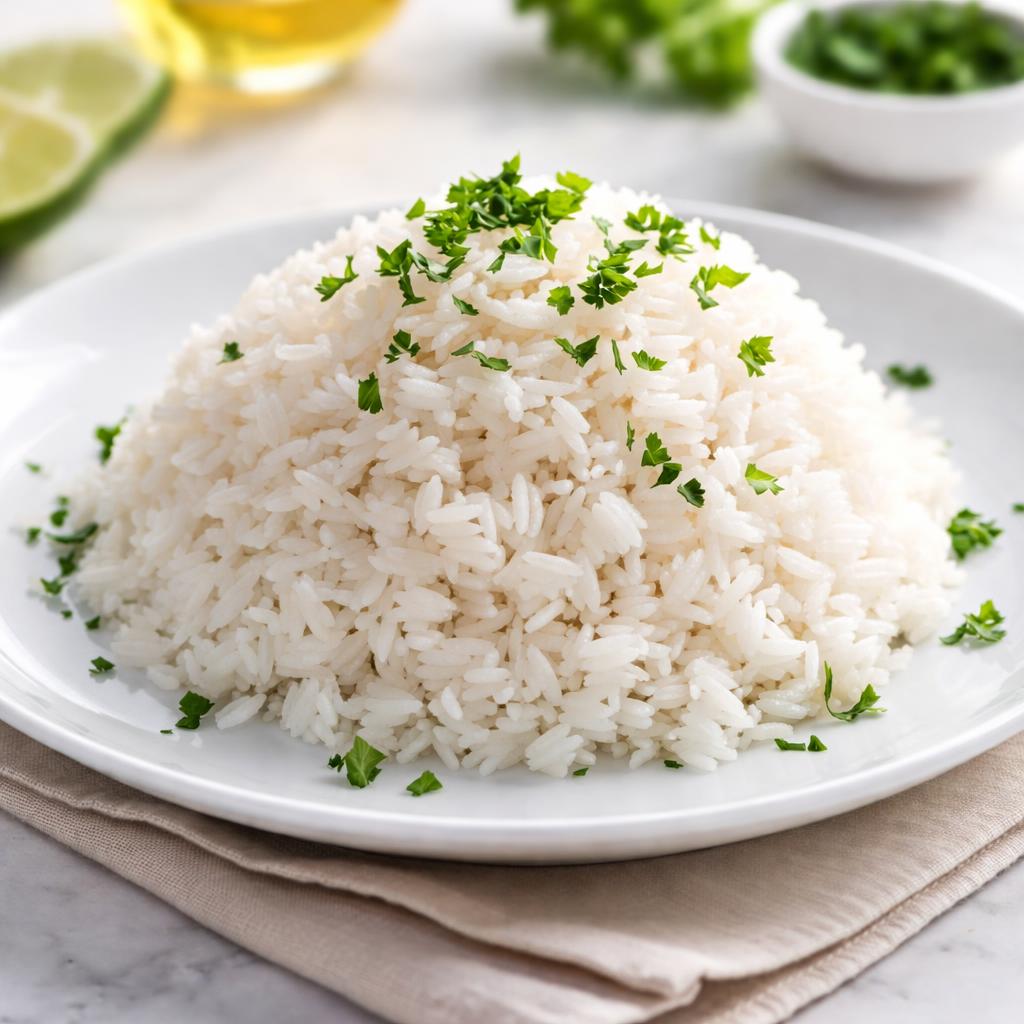
Rice
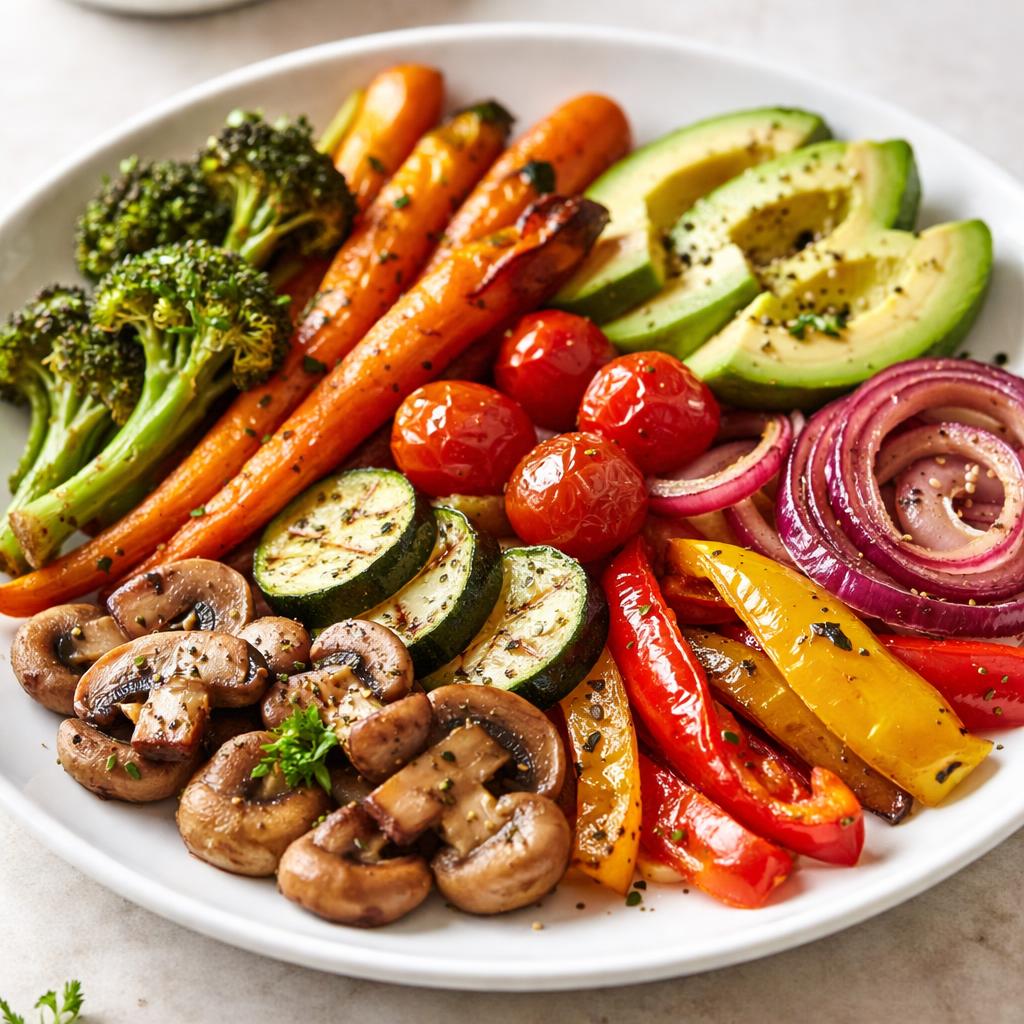
Veggies
🎯 Quick Verdict
Vegetables provide more nutrients overall, including higher fiber, vitamins, and a slight edge in protein compared to rice, which is primarily a carbohydrate source. Rice is a good staple for energy and is easier to integrate into high-calorie food plans, while vegetables excel in providing micronutrients and supporting digestion, making them ideal for balanced or weight-loss diets.

Smart Nutrition Tracking with SnapCalorie

📊 Nutritional Comparison
Macronutrients
| Nutrient | Food 1 | Food 2 | Winner |
|---|---|---|---|
| Calories | 130 per 100g (white rice) | 130 per 100g (mixed veggies) | − |
| Protein | 2.7g | 3g | − |
| Carbs | 28g | 10g | − |
| Fat | 0.3g | 0.2g | − |
| Fiber | 0.4g | 3g | − |
Vitamins & Minerals
| Nutrient | Food 1 | Food 2 | Winner |
|---|---|---|---|
| Vitamin D | 0mcg | 0.5mcg | − |
| Vitamin A | 0mcg | 350mcg | − |
| Vitamin C | 0mg | 20mg | − |
| Calcium | 10mg | 40mg | − |
| Iron | 0.2mg | 0.7mg | − |
🏆 Category Winners
Protein
Vegetables contain slightly more protein per 100g serving (3g vs. 2.7g).
Fiber
Vegetables are significantly higher in fiber (3g vs. 0.4g).
Calories
Both rice and mixed vegetables provide around 130 calories per 100g.
Vitamins
Vegetables are vastly richer in vitamins A, C, and D, as well as calcium and iron.
🥗 Diet Compatibility
Keto
Food 1: Not Compatible
Food 2: Compatible
Veggies are low in carbs (10g per 100g), making them suitable for keto diets.
Vegan
Food 1: Compatible
Food 2: Compatible
Both rice and vegetables are plant-based foods.
Gluten Free
Food 1: Compatible
Food 2: Compatible
Neither rice nor vegetables contain gluten.
Paleo
Food 1: Not Compatible
Food 2: Compatible
Vegetables fit the paleo diet guidelines, while rice does not.
Low-Carb
Food 1: Not Compatible
Food 2: Compatible
Vegetables have fewer carbs and are suitable for low-carb diets.
💪 Health Benefits Comparison
Food 1 Benefits
- Good source of energy due to high carbohydrate content
- Easy to digest and suitable for sensitive stomachs
- Supports bulking or high-calorie meal plans
Food 2 Benefits
- Rich in fiber to aid digestion and gut health
- High in vitamins and minerals essential for immunity and bone health
- Low in calories, making it ideal for weight loss
✅ The Bottom Line
Rice is an excellent option for energy and meal bulk, while vegetables provide superior vitamins, minerals, and fiber. Choose rice for high-calorie diets or carb-loading, and opt for veggies when focusing on nutrient density, digestion, and general health.
Choose Food 1 for: Energy needs, carb-loading, meal bulk
Choose Food 2 for: Weight loss, nutrient density, heart health


