Rice VS Veggie Soup
A detailed nutritional comparison
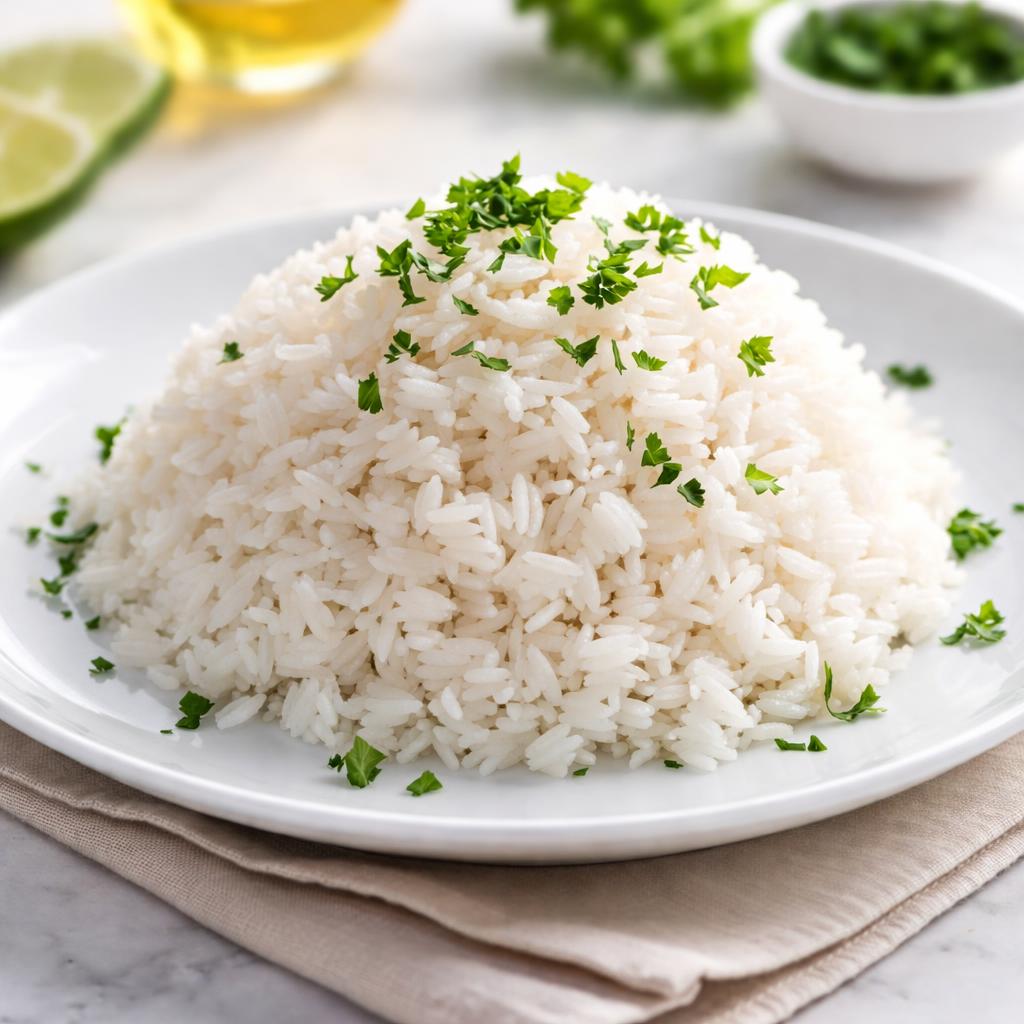
Rice
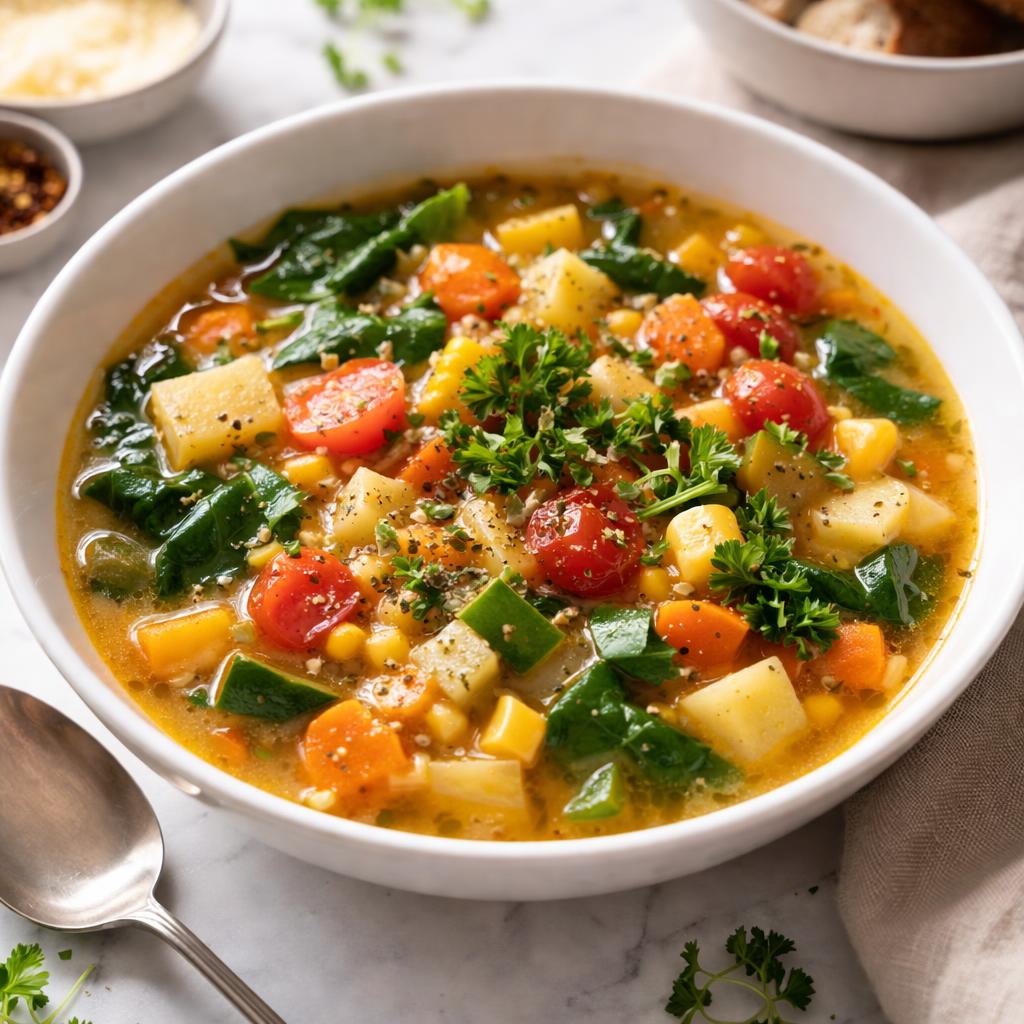
Veggie Soup
🎯 Quick Verdict
Rice is a calorie-dense, carbohydrate-rich option that offers more protein compared to veggie soup. Veggie soup, however, is lower in calories, higher in fiber, and provides a variety of vitamins and minerals. Rice works well as a source of energy, while veggie soup is better for lighter, nutrient-dense meals with added hydration benefits.

Smart Nutrition Tracking with SnapCalorie

📊 Nutritional Comparison
Macronutrients
| Nutrient | Food 1 | Food 2 | Winner |
|---|---|---|---|
| Calories | 206 (per 1 cup cooked) | 90 (per 1 cup) | ✓ |
| Protein | 4.25g | 2g | ✓ |
| Carbs | 45g | 12g | ✓ |
| Fat | 0.44g | 2g | ✓ |
| Fiber | 0.6g | 3g | ✓ |
Vitamins & Minerals
| Nutrient | Food 1 | Food 2 | Winner |
|---|---|---|---|
| Vitamin C | 0mg | 20mg | ✓ |
| Vitamin A | 0IU | 750IU | ✓ |
| Potassium | 55mg | 400mg | ✓ |
🏆 Category Winners
Protein
Rice contains more protein, though still modest at 4.25g per serving, compared to veggie soup with 2g.
Fiber
Veggie soup provides 3g of fiber, significantly higher than the 0.6g in rice.
Calories
Veggie soup is low in calories at 90 per serving, while rice has over twice as many at 206 calories per cup.
Vitamins
Veggie soup offers higher doses of Vitamin C, Vitamin A, and potassium.
🥗 Diet Compatibility
Keto
Food 1: Not Compatible
Food 2: Compatible
Rice is high in carbs and not suitable for keto. Veggie soup has lower carbs, making it compatible.
Vegan
Food 1: Compatible
Food 2: Compatible
Both foods are plant-based and vegan-friendly.
Gluten Free
Food 1: Compatible
Food 2: Compatible
Neither rice nor veggie soup typically contain gluten.
Paleo
Food 1: Compatible
Food 2: Compatible
Both are minimally processed and meet paleo diet standards.
Low-Carb
Food 1: Not Compatible
Food 2: Compatible
Rice is high in carbs, while veggie soup is lower in carbs at 12g per serving.
💪 Health Benefits Comparison
Food 1 Benefits
- Provides a quick source of energy due to high carbohydrate content
- Contains a small amount of protein as a plant-based option
- Naturally gluten-free and easy to digest
Food 2 Benefits
- Rich in vitamins like Vitamin C and Vitamin A for immune and eye health
- Low-calorie and high-fiber, aiding in weight management and digestion
- Hydrating due to water content, making it a great light meal option
✅ The Bottom Line
Choose rice for energy and post-workout recovery, especially when paired with protein-rich foods. Veggie soup is ideal for low-calorie, nutrient-dense meals or as part of a weight-loss plan. Both have their place in a balanced diet depending on your goals.
Choose Food 1 for: Post-workout recovery, carbohydrate-heavy meals, quick energy boosts
Choose Food 2 for: Low-calorie meals, fiber-rich diets, nutrient density, hydration


