Rice VS Veggie
A detailed nutritional comparison
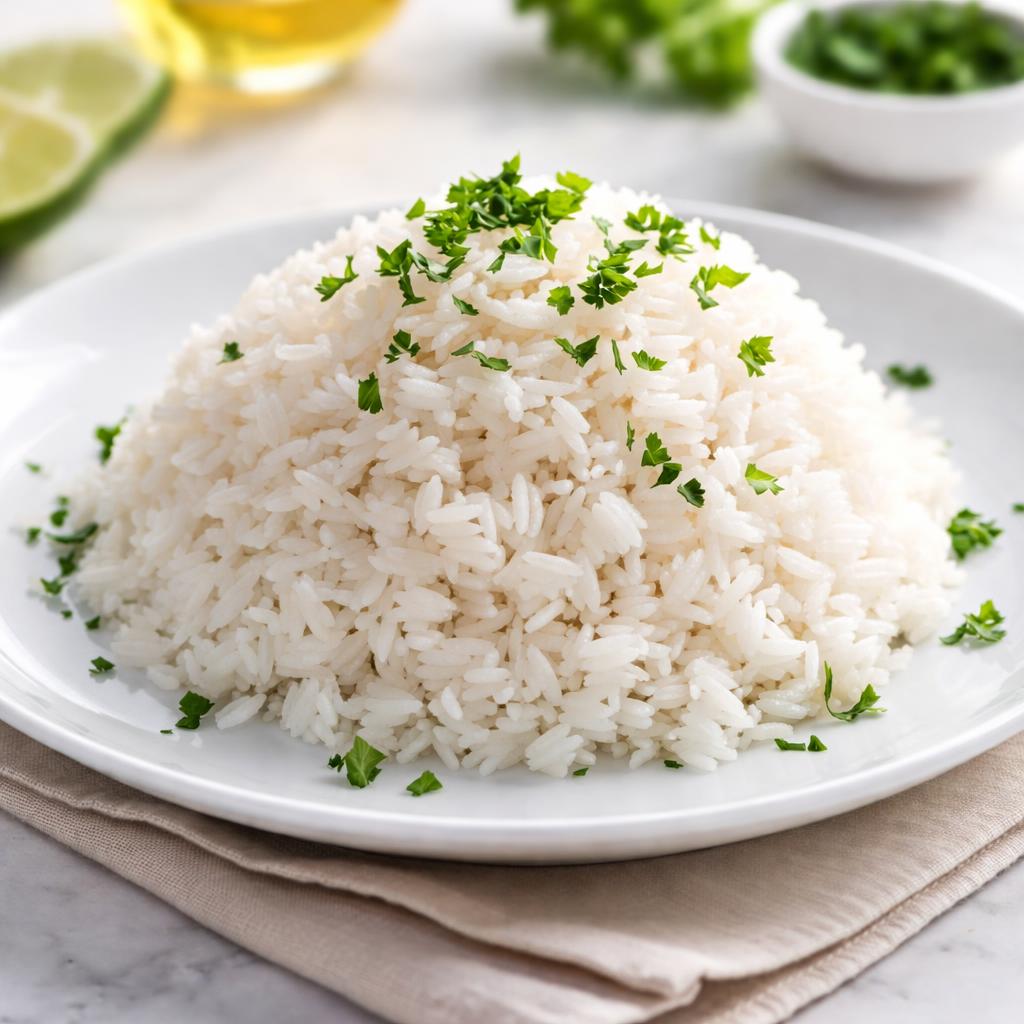
Rice
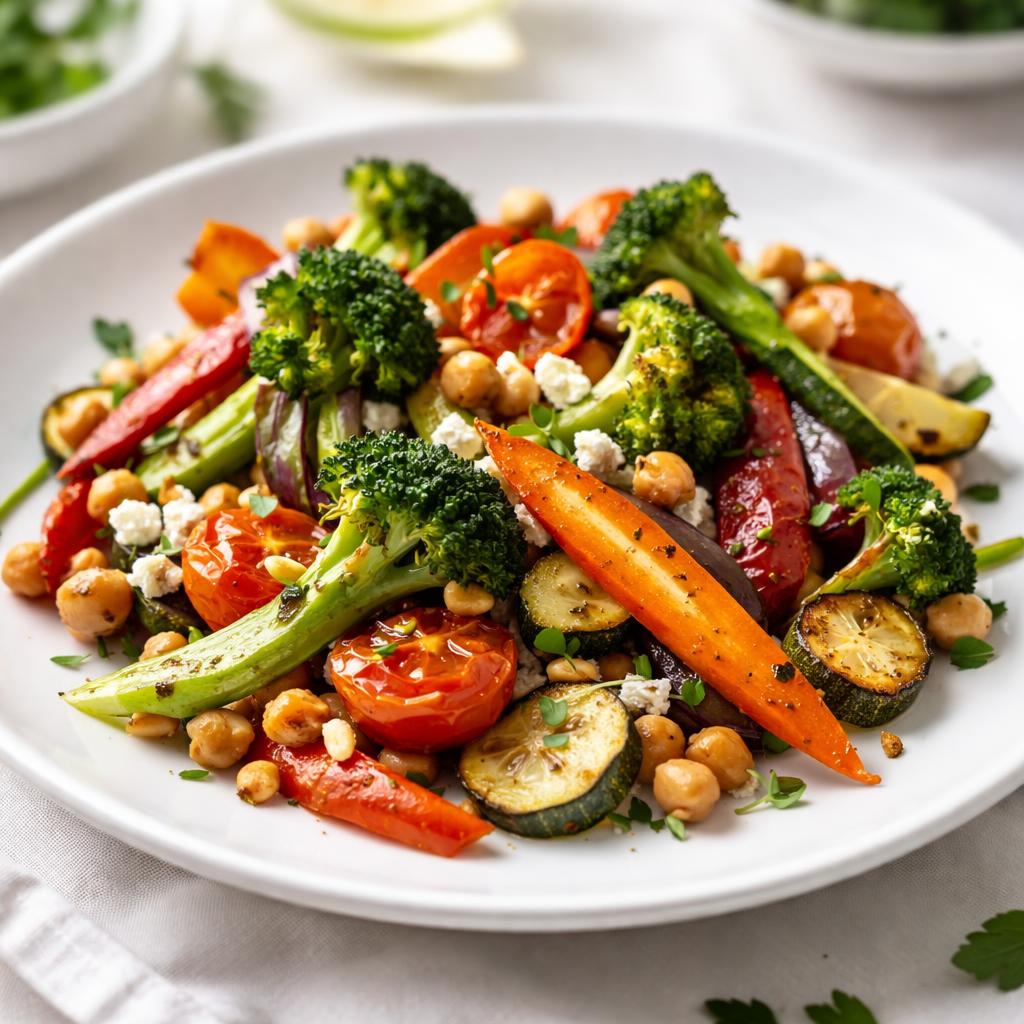
Veggie
🎯 Quick Verdict
Veggies generally outperform rice in terms of overall nutrition as they are higher in protein, fiber, and essential vitamins while being equally low-calorie. Rice, however, is an excellent carbohydrate source for sustained energy, making it suitable for high-energy diets or meals requiring a carb base.

Smart Nutrition Tracking with SnapCalorie

📊 Nutritional Comparison
Macronutrients
| Nutrient | Food 1 | Food 2 | Winner |
|---|---|---|---|
| Calories | 200 | 200 | − |
| Protein | 4g | 5g | ✓ |
| Carbs | 45g | 10g | ✓ |
| Fat | 0.5g | 1g | ✓ |
| Fiber | 0.3g | 4g | ✓ |
Vitamins & Minerals
| Nutrient | Food 1 | Food 2 | Winner |
|---|---|---|---|
| Vitamin C | 0mg | 30mg | ✓ |
| Vitamin A | 0mcg | 300mcg | ✓ |
| Iron | 1mg | 2mg | ✓ |
🏆 Category Winners
Protein
Food2 (veggies) contains slightly more protein, making it better for muscle repair and maintenance.
Fiber
Food2 has 13x more fiber than food1 (rice), which supports better digestion.
Calories
Both foods have approximately 200 calories per serving, depending on preparation.
Vitamins
Food2 is significantly richer in vitamins like Vitamin C, A, and iron compared to food1.
🥗 Diet Compatibility
Keto
Food 1: Not Compatible
Food 2: Compatible
Food1 is high in carbs (45g), while food2 contains only 10g of carbs, making it keto-friendly.
Vegan
Food 1: Compatible
Food 2: Compatible
Both are plant-based and suitable for vegan diets.
Gluten Free
Food 1: Compatible
Food 2: Compatible
Rice and veggies are naturally gluten-free.
Paleo
Food 1: Compatible
Food 2: Compatible
Both foods are whole, unprocessed and fit within a Paleo framework.
Low-Carb
Food 1: Not Compatible
Food 2: Compatible
Food1 (rice) is carb-heavy, making it unsuitable for low-carb diets; food2 is a better choice with only 10g of carbs.
💪 Health Benefits Comparison
Food 1 Benefits
- Rich source of carbohydrates for sustained energy
- Naturally gluten-free, suitable for those with a gluten intolerance
- Low in fat, supporting heart health when consumed in moderation
Food 2 Benefits
- Rich in fiber for better digestion and gut health
- High in vitamins (like Vitamin C and A) supporting immunity and vision
- Contains antioxidants and minerals promoting overall health
✅ The Bottom Line
If you're looking for sustained energy or a complementary carb source for high-intensity activities, rice is an excellent choice. Veggies are superior for nutrient density, fiber, and vitamins, making them ideal for weight loss, gut health, and balanced meals.
Choose Food 1 for: Energy-dense meals, athletes, needing a bulk-carb base
Choose Food 2 for: Weight loss, nutrient-dense snacks, digestion support


