Rice VS Vegetarian Chili
A detailed nutritional comparison
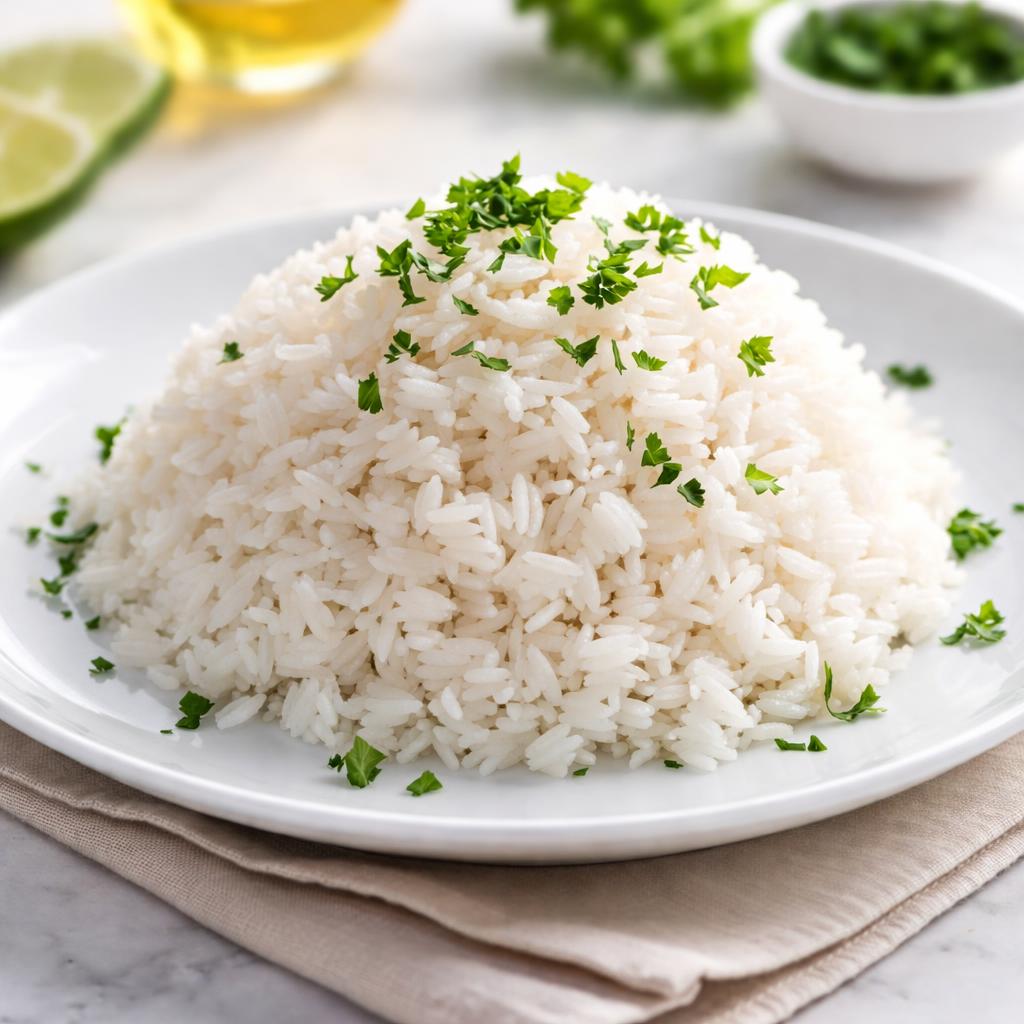
Rice
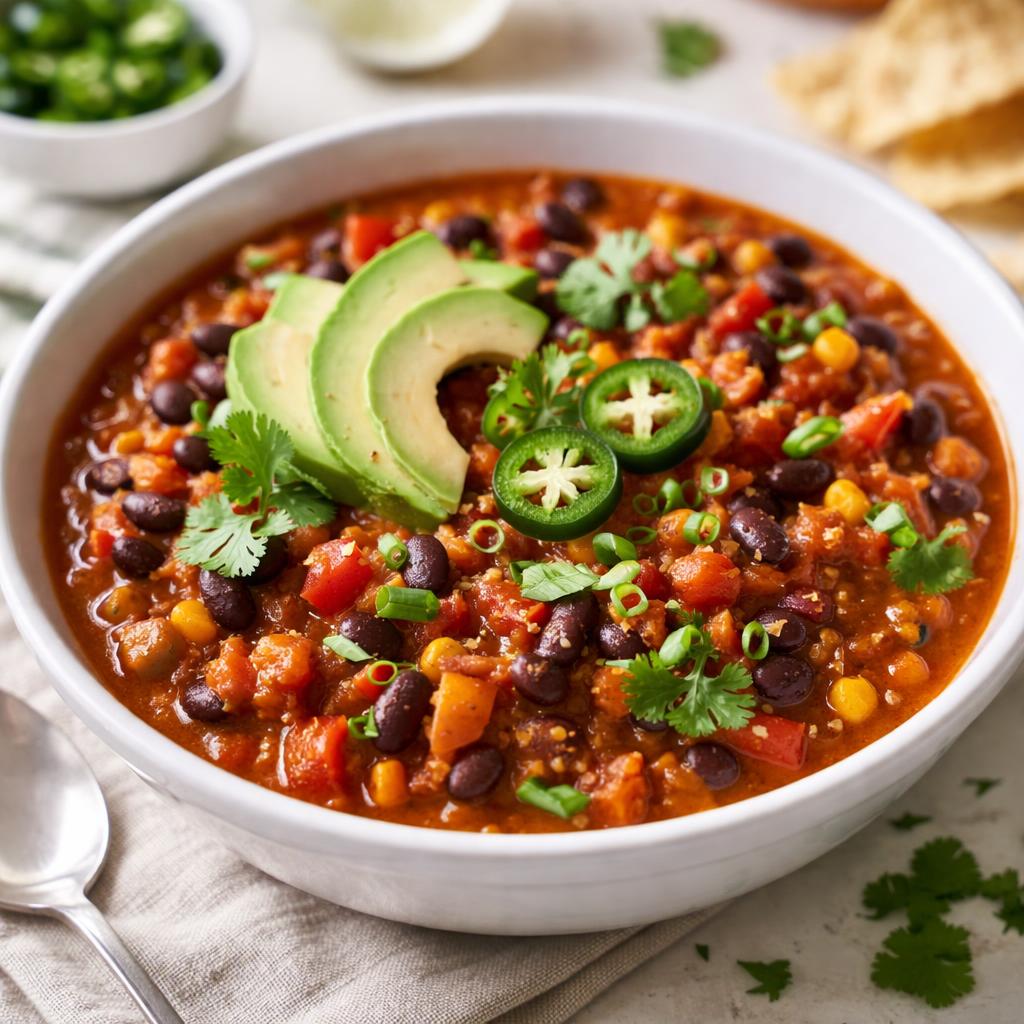
Vegetarian Chili
🎯 Quick Verdict
Vegetarian chili outperforms rice in protein and fiber content, making it more nutrient-dense overall. Rice is lower in calories and carbs, offering a simpler option for lighter meals or energy replenishment. Choose vegetarian chili for a nutrient-packed meal or rice for a versatile and light carbohydrate source.

Smart Nutrition Tracking with SnapCalorie

📊 Nutritional Comparison
Macronutrients
| Nutrient | Food 1 | Food 2 | Winner |
|---|---|---|---|
| Calories | 206 per cup | 220 per cup | ✓ |
| Protein | 4.3g | 12g | ✓ |
| Carbs | 45g | 30g | ✓ |
| Fat | 0.4g | 6g | ✓ |
| Fiber | 0.6g | 8g | ✓ |
Vitamins & Minerals
| Nutrient | Food 1 | Food 2 | Winner |
|---|---|---|---|
| Vitamin D | 0mcg | 0mcg | − |
| Calcium | 2mg | 40mg | ✓ |
| Iron | 0.2mg | 2mg | ✓ |
| Vitamin A | 0mcg | 50mcg | ✓ |
| Vitamin C | 0mg | 15mg | ✓ |
🏆 Category Winners
Protein
Vegetarian chili provides nearly 3 times more protein than rice.
Fiber
Vegetarian chili is far richer in fiber, with 8g compared to 0.6g in rice.
Calories
Rice is slightly lower in calories per serving.
Vitamins
Vegetarian chili contains notable amounts of vitamin A, iron, and vitamin C that rice lacks.
🥗 Diet Compatibility
Keto
Food 1: Not Compatible
Food 2: Not Compatible
Both are relatively high in carbohydrates.
Vegan
Food 1: Compatible
Food 2: Compatible
Both are plant-based options.
Gluten Free
Food 1: Compatible
Food 2: Compatible
Neither contains gluten ingredients.
Paleo
Food 1: Not Compatible
Food 2: Not Compatible
Rice and vegetarian chili typically include legumes or grains, which are excluded in paleo diets.
Low Carb
Food 1: Not Compatible
Food 2: Not Compatible
Both have over 20g of carbohydrates per serving, exceeding low-carb guidelines.
💪 Health Benefits Comparison
Food 1 Benefits
- Easily digestible energy source
- Low in fat for balanced diets
- Gluten-free for allergy-friendly use
Food 2 Benefits
- Rich in protein for muscle building and repair
- High fiber content promotes digestive health
- Contains antioxidants from vegetables to support overall well-being
- Provides key micronutrients like iron and vitamin C for strong immunity
✅ The Bottom Line
Rice is excellent as a simple, adaptable carbohydrate for energy-focused meals or lighter diets. Vegetarian chili, on the other hand, is the better choice for nutrient density, offering higher protein, fiber, and essential vitamins. Use rice for its versatility and simplicity, and opt for vegetarian chili when prioritizing nutrient-rich meals.
Choose Food 1 for: Light meals, energy replenishment, gluten-free diets
Choose Food 2 for: Nutrient-dense meals, post-workout recovery, digestive health


