Rice VS Vegetable Casserole
A detailed nutritional comparison
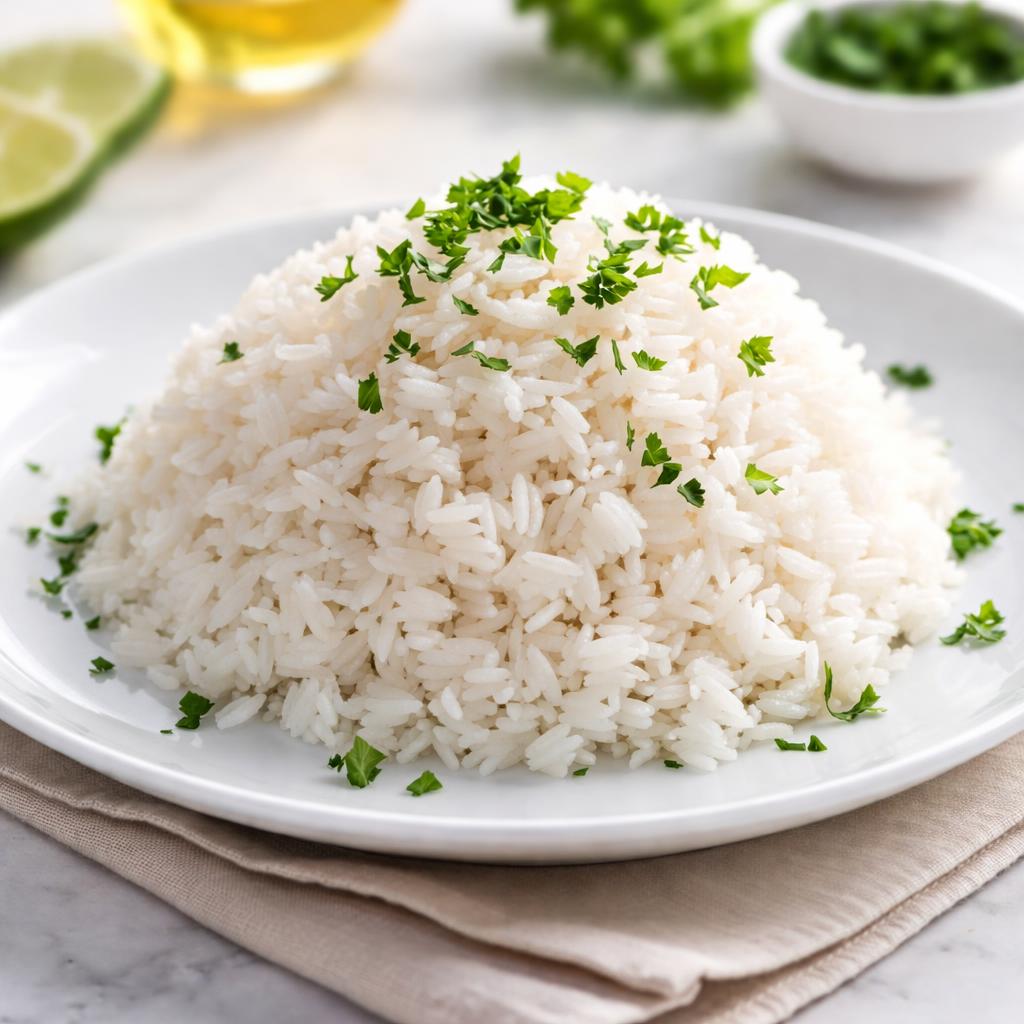
Rice
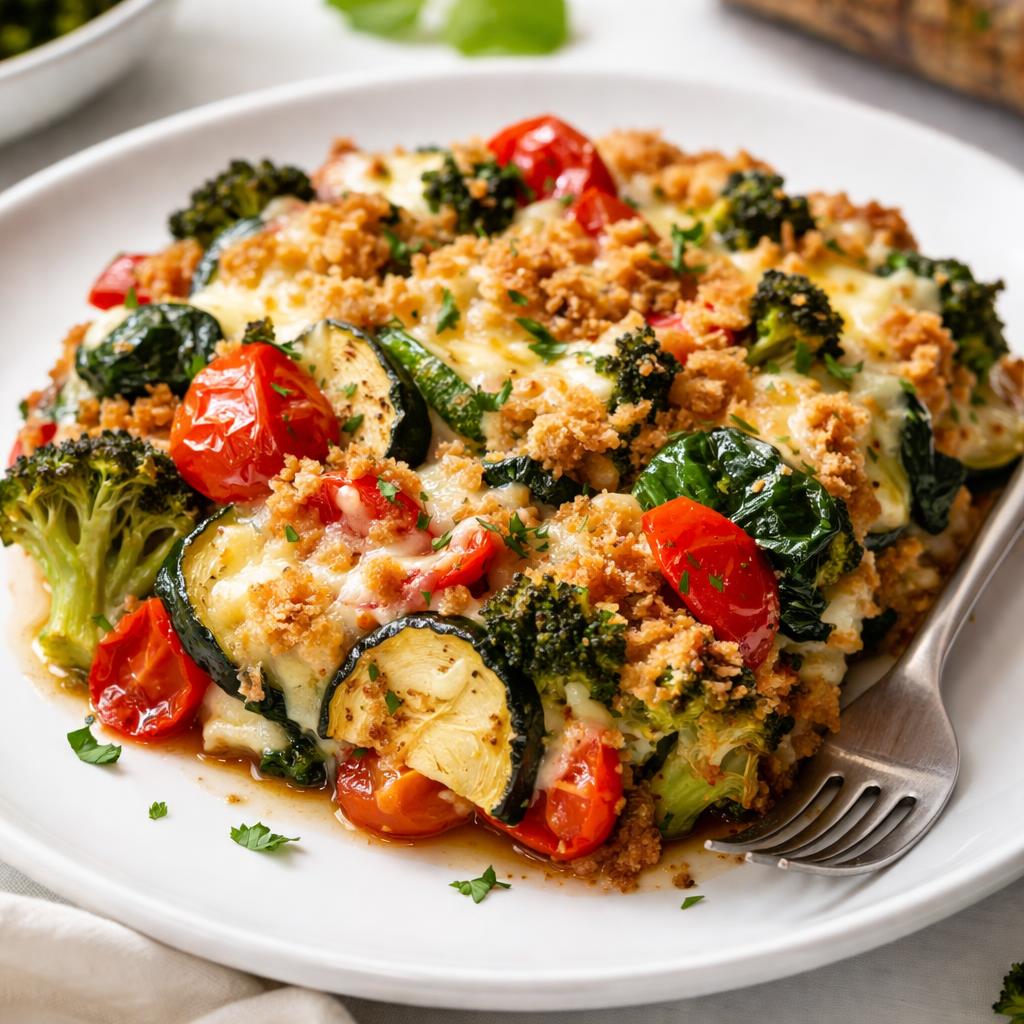
Vegetable Casserole
🎯 Quick Verdict
Rice is a calorie-dense, carb-rich staple with minimal protein and fiber, making it ideal for energy needs. Vegetable casserole provides a broader nutrient profile, including more protein, fiber, and vitamins, making it a better choice for overall health and weight management goals.

Smart Nutrition Tracking with SnapCalorie

📊 Nutritional Comparison
Macronutrients
| Nutrient | Food 1 | Food 2 | Winner |
|---|---|---|---|
| Calories | 205 per cup | 150 per serving | ✓ |
| Protein | 4.3g per cup | 6g per serving | ✓ |
| Carbs | 44.5g per cup | 15g per serving | ✓ |
| Fat | 0.4g per cup | 6g per serving | ✓ |
| Fiber | 0.6g per cup | 4g per serving | ✓ |
Vitamins & Minerals
| Nutrient | Food 1 | Food 2 | Winner |
|---|---|---|---|
| Vitamin A | 0mcg | 450mcg | ✓ |
| Vitamin C | 0mg | 25mg | ✓ |
| Vitamin K | 0mcg | 20mcg | ✓ |
| Calcium | 20mg | 120mg | ✓ |
| Iron | 0.2mg | 1.5mg | ✓ |
🏆 Category Winners
Protein
Vegetable casserole contains 40% more protein per serving compared to rice.
Fiber
Vegetable casserole contains nearly 6x more fiber than rice, aiding digestion.
Calories
Rice has slightly fewer calories per serving, making it more calorie-efficient.
Vitamins
Vegetable casserole provides abundant vitamins like A, C, and K compared to rice, which lacks these nutrients.
🥗 Diet Compatibility
Keto
Food 1: Not Compatible
Food 2: Partially Compatible
Rice is high in carbs, while vegetable casserole can meet keto depending on ingredients.
Vegan
Food 1: Compatible
Food 2: Compatible
Both foods are plant-based.
Gluten Free
Food 1: Compatible
Food 2: Compatible
Neither contains gluten.
Paleo
Food 1: Compatible
Food 2: Partially Compatible
Rice can fit certain paleo diets; check casserole ingredients for compliance.
Low-Carb
Food 1: Not Compatible
Food 2: Compatible
Rice is high-carb, while a vegetable casserole can be tailored for low-carb goals.
💪 Health Benefits Comparison
Food 1 Benefits
- Provides a quick source of energy from carbohydrates
- Low in fat for heart health
- Easily digestible for sensitive stomachs
Food 2 Benefits
- High in fiber for improved digestion
- Rich in vitamins (A, C, K) for immune and skin health
- Contains moderate protein for muscle maintenance
- Supports weight management through nutrient density
✅ The Bottom Line
Choose rice for energy-centered meals or simple dishes requiring digestible carbs. Opt for vegetable casserole for a well-rounded nutrient profile, weight management, and higher protein and fiber. Each has its strengths depending on dietary needs.
Choose Food 1 for: Energy replenishment, digestion support, pairing with lean proteins
Choose Food 2 for: Weight management, nutrient-dense meals, overall health improvement


