Rice VS Vegetable
A detailed nutritional comparison
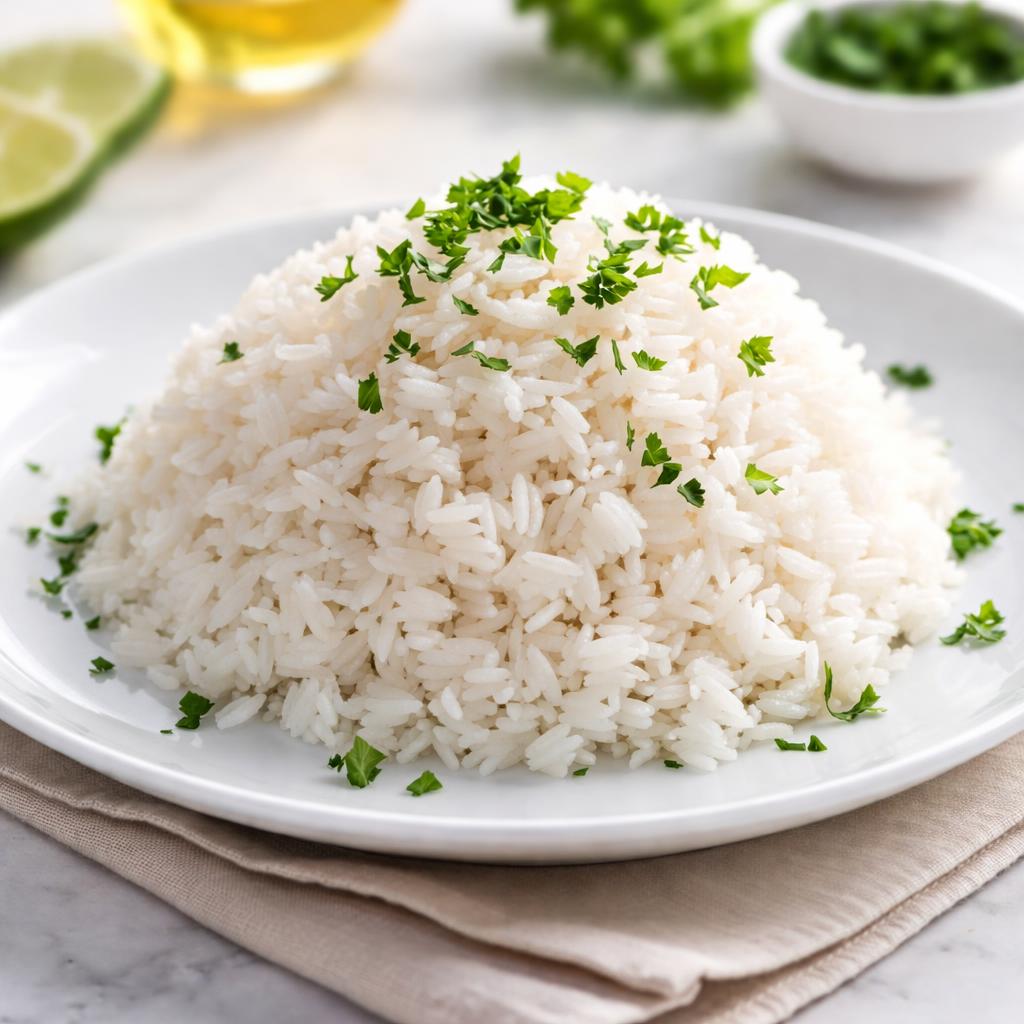
Rice
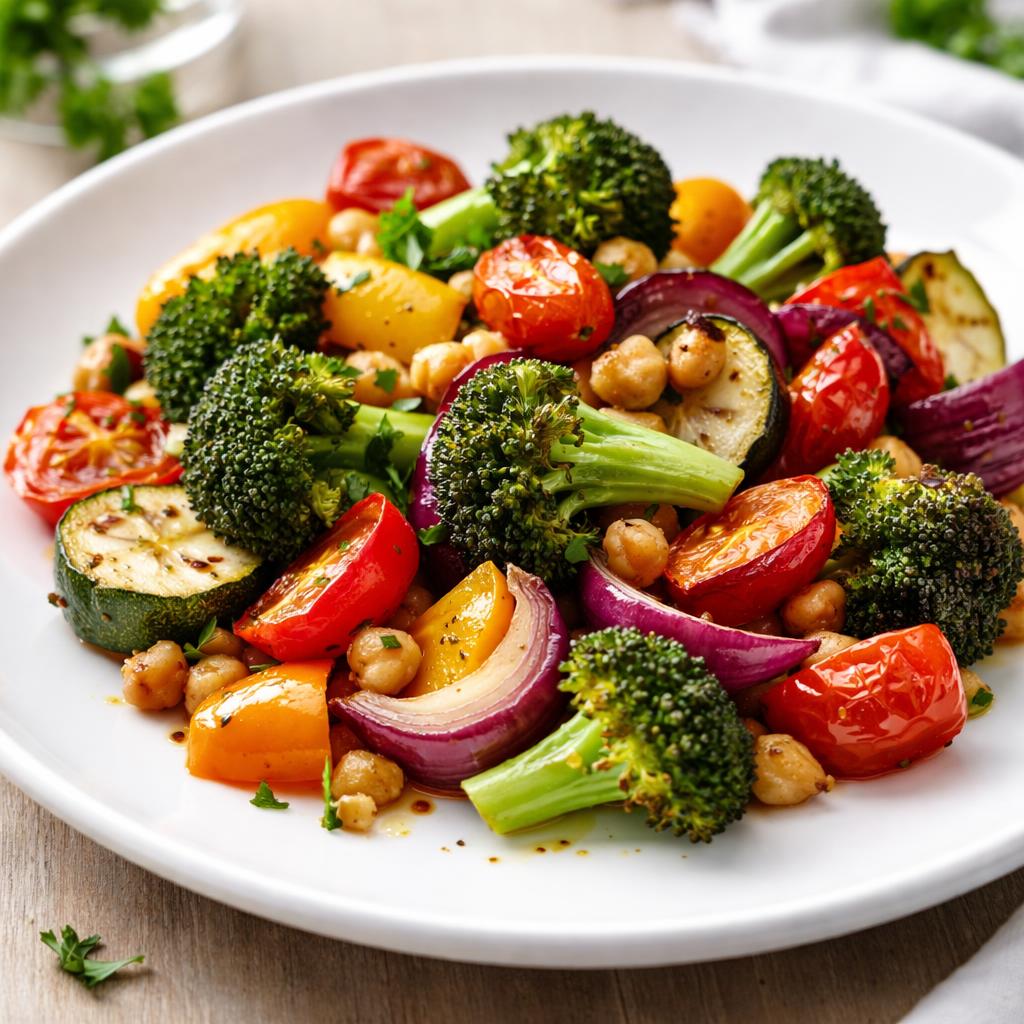
Vegetable
🎯 Quick Verdict
Vegetables are generally more nutrient-dense compared to rice, offering higher protein, fiber, and fewer carbs per serving. Rice provides quick energy due to its high carbohydrate content and is a great option for calorie-dense meals like carb-loading. Vegetables are ideal for weight management and overall nutrient health due to their vitamins and minerals.

Smart Nutrition Tracking with SnapCalorie

📊 Nutritional Comparison
Macronutrients
| Nutrient | Food 1 | Food 2 | Winner |
|---|---|---|---|
| Calories | 200 (white rice, cooked) | 20 (broccoli, cooked) | − |
| Protein | 4g | 2.6g | − |
| Carbs | 45g | 4g | − |
| Fat | 0.5g | 0.2g | − |
| Fiber | 0.5g | 2.4g | − |
Vitamins & Minerals
| Nutrient | Food 1 | Food 2 | Winner |
|---|---|---|---|
| Vitamin C | 0mg | 50mg | − |
| Vitamin A | 0IU | 400IU | − |
| Calcium | 20mg | 40mg | − |
| Iron | 0.2mg | 0.7mg | − |
🏆 Category Winners
Protein
Vegetables like broccoli contain more protein per calorie compared to rice.
Fiber
Vegetables provide 2.4g of fiber per serving, while rice offers almost none.
Calories
Rice is calorie-dense (200 calories per cup), while vegetables are low in calories (20 calories per cup).
Vitamins
Vegetables are significantly richer in vitamins like Vitamin C and A compared to rice.
🥗 Diet Compatibility
Keto
Food 1: Not Compatible
Food 2: Compatible
Rice is high in carbs (45g per serving), while vegetables like broccoli are low-carb and keto-friendly.
Vegan
Food 1: Compatible
Food 2: Compatible
Both foods are plant-based and fit vegan diets.
Gluten Free
Food 1: Compatible
Food 2: Compatible
Both rice and vegetables are naturally gluten-free.
Paleo
Food 1: Compatible
Food 2: Compatible
Both rice and vegetables are considered paleo-friendly, though rice may be excluded depending on strict interpretations.
Low-Carb
Food 1: Not Compatible
Food 2: Compatible
Rice is high-carb, while vegetables are suitable for low-carb diets.
💪 Health Benefits Comparison
Food 1 Benefits
- Provides quick energy from high carbohydrate content
- Naturally gluten-free
- Easy to digest for sensitive stomachs
Food 2 Benefits
- High in antioxidants for reducing oxidative stress
- Rich in Vitamin C for immune support and skin health
- Good source of dietary fiber for improving digestion
- Contains essential vitamins and minerals
✅ The Bottom Line
Rice is a great choice for energy-intensive meals or post-workout recovery due to its carbohydrate content. Vegetables shine as a nutrient-dense option for weight management, general health, and keto/low-carb diets.
Choose Food 1 for: Energy boosting, carb-loading, post-workout
Choose Food 2 for: Weight loss, nutrient density, digestive health


