Rice VS Vegan Butter
A detailed nutritional comparison
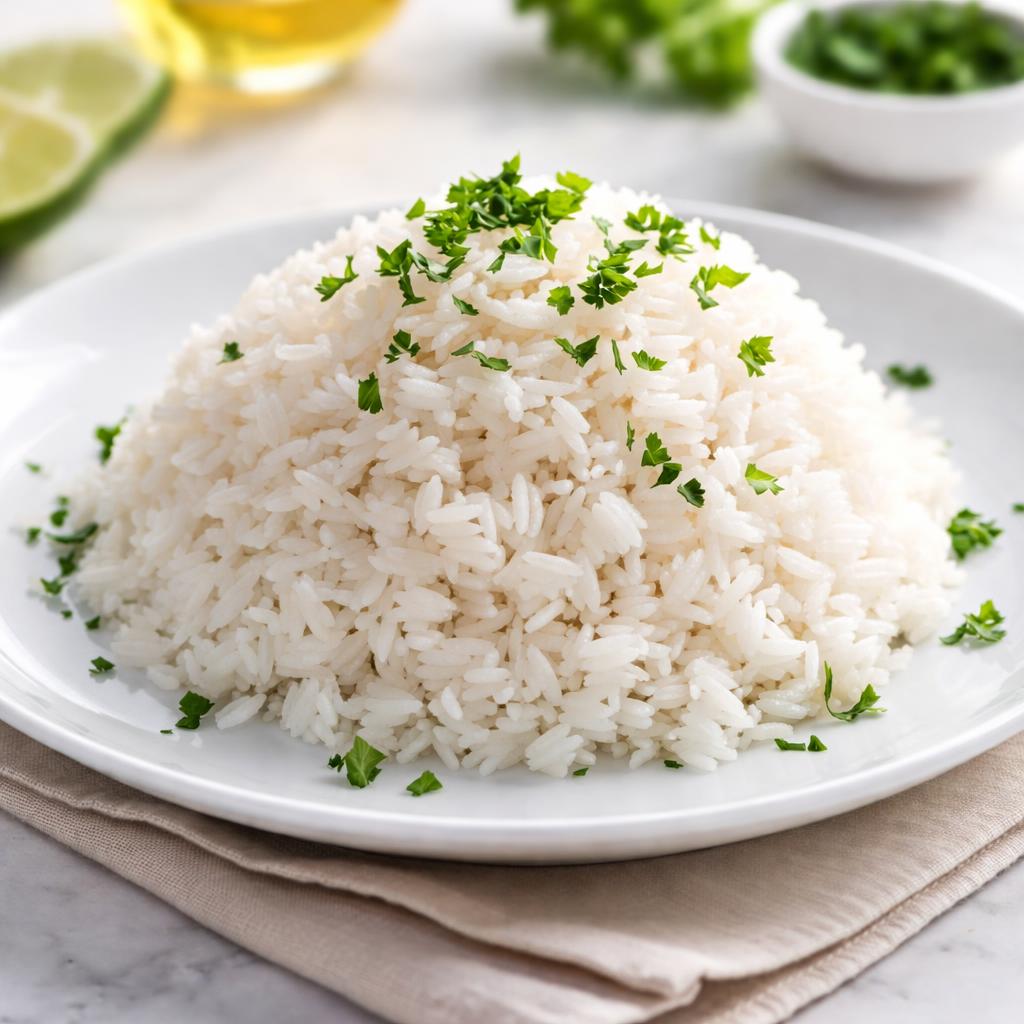
Rice
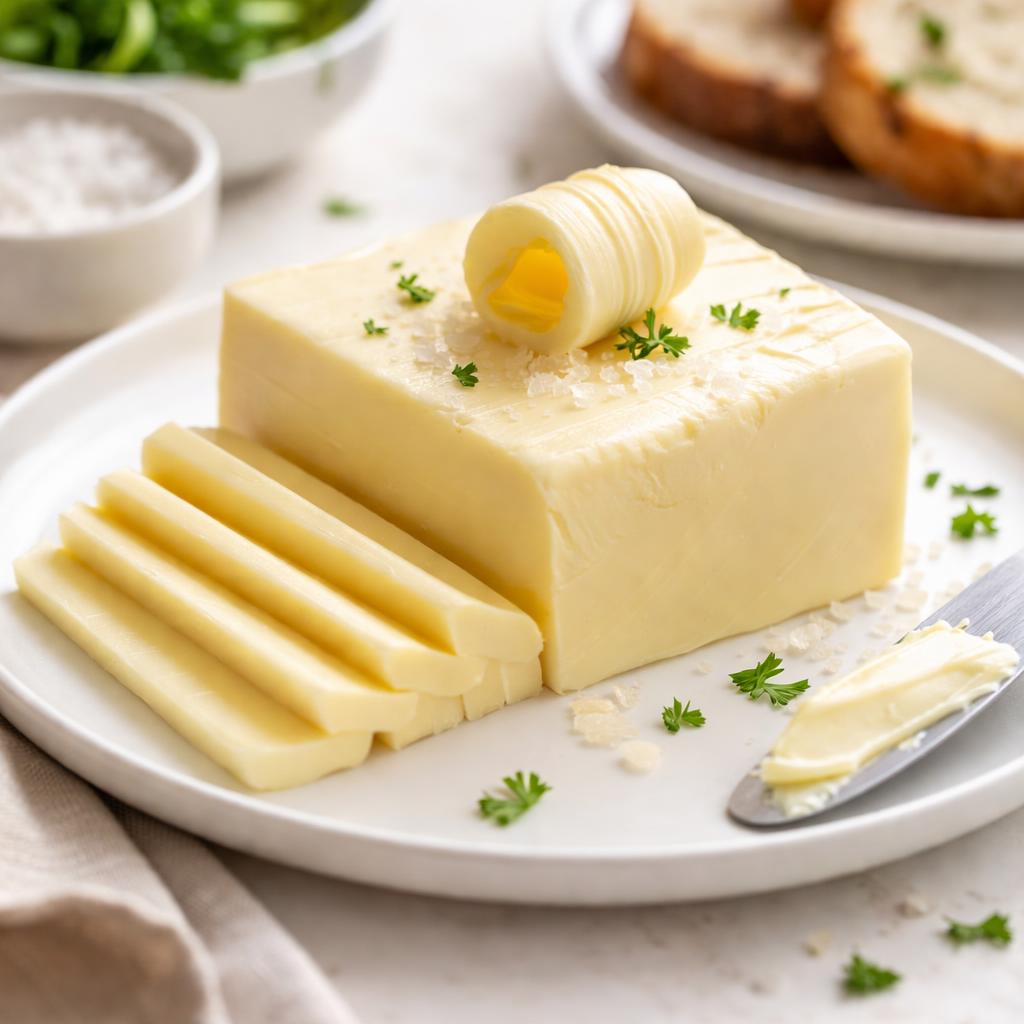
Vegan Butter
🎯 Quick Verdict
Rice and vegan butter serve entirely different roles in a diet. Rice is a carbohydrate-rich staple with moderate protein and fiber, ideal for energy and sustenance. Vegan butter is primarily fat, providing vitamins like vitamin D and heart-healthy fats, but lacks significant protein and fiber. Choose rice for fueling meals and vegan butter for enhancing flavor with healthy fats.

Smart Nutrition Tracking with SnapCalorie

📊 Nutritional Comparison
Macronutrients
| Nutrient | Food 1 | Food 2 | Winner |
|---|---|---|---|
| Calories | 130 (per 100g cooked) | 720 (per 100g) | ✓ |
| Protein | 2.7g | 0.2g | ✓ |
| Carbs | 28g | 0g | ✓ |
| Fat | 0.3g | 80g | ✓ |
| Fiber | 0.4g | 0g | ✓ |
Vitamins & Minerals
| Nutrient | Food 1 | Food 2 | Winner |
|---|---|---|---|
| Vitamin D | 0mcg | 1.5mcg | ✓ |
| Calcium | 10mg | 15mg | ✓ |
| Iron | 0.2mg | 0.1mg | ✓ |
| Vitamin A | 0IU | 300IU | ✓ |
🏆 Category Winners
Protein
Rice contains significantly more protein (2.7g vs 0.2g).
Fiber
Rice contains 0.4g of fiber, while vegan butter has none.
Calories
Rice has far fewer calories per serving compared to vegan butter.
Vitamins
Vegan butter is fortified with vitamins like vitamin D and A.
🥗 Diet Compatibility
Keto
Food 1: Not Compatible
Food 2: Compatible
Rice is high-carb, while vegan butter is low-carb and high-fat.
Vegan
Food 1: Compatible
Food 2: Compatible
Both foods are plant-based.
Gluten Free
Food 1: Compatible
Food 2: Compatible
Neither food contains gluten.
Paleo
Food 1: Not Compatible
Food 2: Compatible
Rice is not considered paleo-friendly, whereas vegan butter can be included.
Low Carb
Food 1: Not Compatible
Food 2: Compatible
Food1 is high in carbohydrates, while food2 is carb-free.
💪 Health Benefits Comparison
Food 1 Benefits
- Provides sustained energy through complex carbohydrates
- Low in fat, making it suitable for low-fat diets
- Source of small amounts of protein for repair and maintenance
- Naturally gluten-free, suitable for sensitive individuals
Food 2 Benefits
- Rich in healthy fats that support heart health and hormone production
- Fortified with vitamin D and A, promoting bone and eye health
- Adds flavor and texture to meals without carbohydrates
- Plant-based alternative for individuals avoiding dairy
✅ The Bottom Line
Choose rice when looking for an energy-boosting, low-fat carb source to complement meals, especially if you are focusing on macronutrient balance. Vegan butter is better suited as a fat source and flavor enhancer, particularly for ketogenic or paleo diets, or if you're seeking plant-based fats and additional vitamins.
Choose Food 1 for: Energy-dense meals, balanced diets, weight management
Choose Food 2 for: Flavor enhancement, ketogenic diets, vegan fat substitute


