Rice VS Udon Noodles
A detailed nutritional comparison
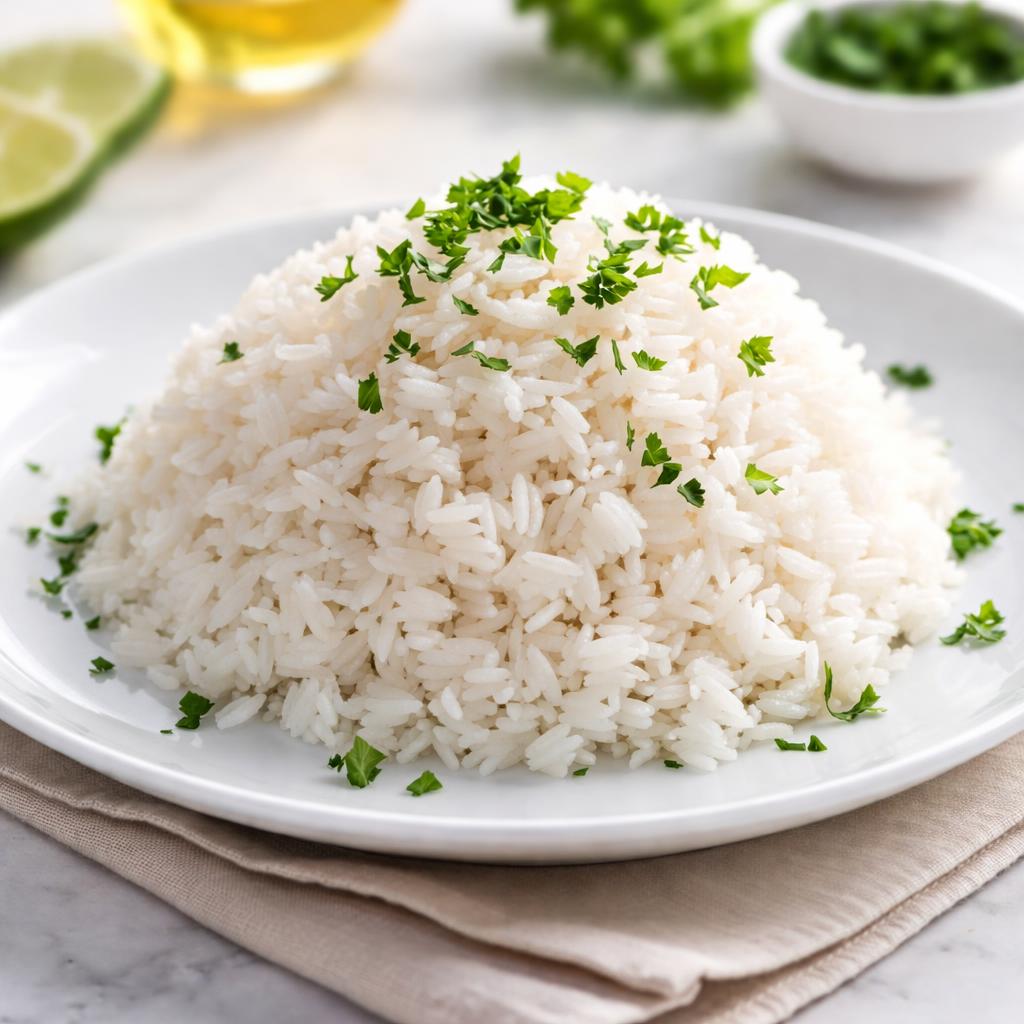
Rice
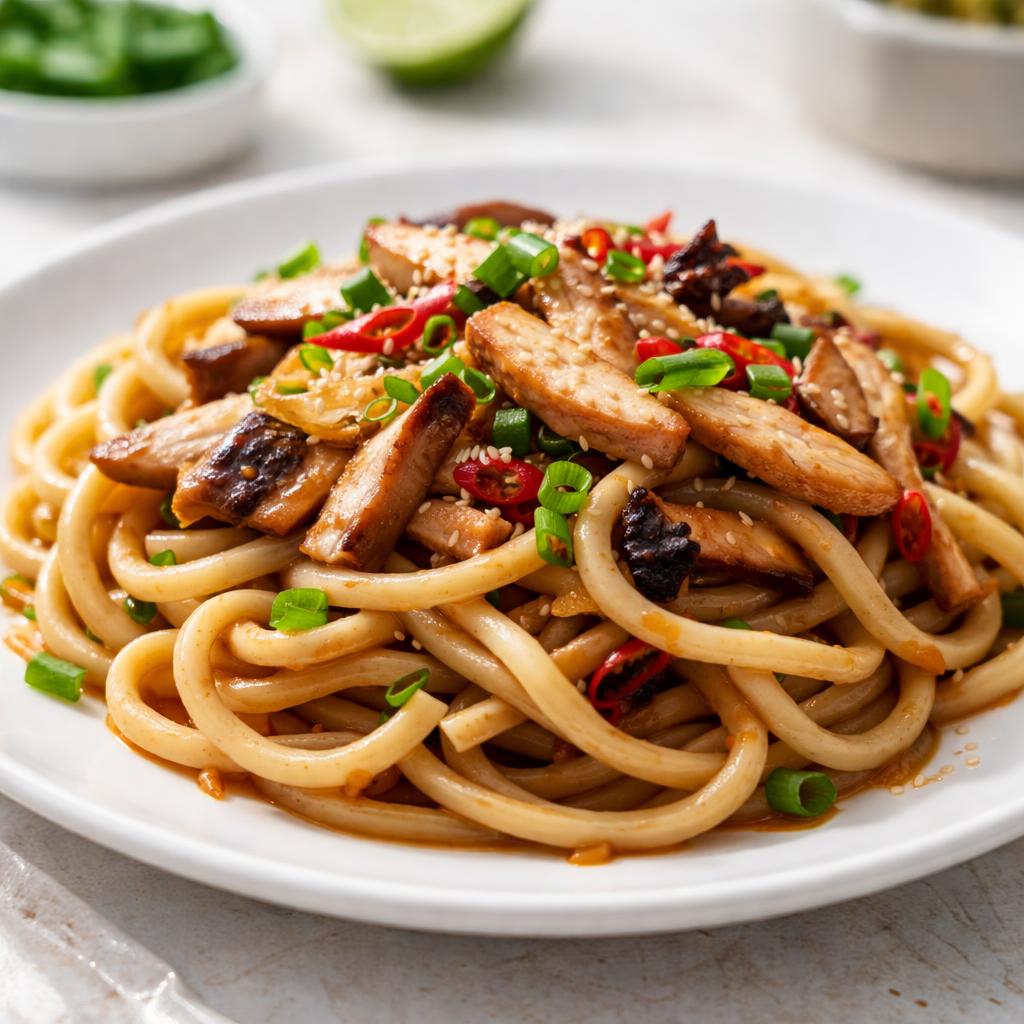
Udon Noodles
🎯 Quick Verdict
Rice is lower in calories and provides slightly more fiber per serving compared to udon noodles, making it a better option for weight-conscious individuals. Udon noodles are softer, higher in carbohydrates, and suitable for energy-dense meals or as part of Asian cuisine staples.

Smart Nutrition Tracking with SnapCalorie

📊 Nutritional Comparison
Macronutrients
| Nutrient | Food 1 | Food 2 | Winner |
|---|---|---|---|
| Calories | 130 per 100g | 210 per 100g | ✓ |
| Protein | 2.7g per 100g | 2.7g per 100g | − |
| Carbs | 28g per 100g | 40g per 100g | ✓ |
| Fat | 0.3g per 100g | 0.8g per 100g | ✓ |
| Fiber | 1.2g per 100g | 0.6g per 100g | ✓ |
Vitamins & Minerals
| Nutrient | Food 1 | Food 2 | Winner |
|---|---|---|---|
| Vitamin B3 (Niacin) | 1.6mg per 100g | 0.5mg per 100g | ✓ |
| Iron | 0.12mg per 100g | 0.3mg per 100g | ✓ |
| Potassium | 35mg per 100g | 20mg per 100g | ✓ |
🏆 Category Winners
Protein
Both foods contain the same amount of protein per serving (2.7g per 100g).
Fiber
Rice contains twice as much fiber as udon noodles per serving.
Calories
Rice has 38% fewer calories compared to udon noodles.
Vitamins
Rice offers higher amounts of Vitamin B3 and potassium.
🥗 Diet Compatibility
Keto
Food 1: Not Compatible
Food 2: Not Compatible
Both foods are high in carbohydrates and not suitable for ketogenic diets.
Vegan
Food 1: Compatible
Food 2: Compatible
Both rice and udon noodles are plant-based.
Gluten Free
Food 1: Compatible
Food 2: Not Compatible
Rice is naturally gluten-free, whereas udon noodles contain gluten.
Paleo
Food 1: Not Compatible
Food 2: Not Compatible
Both foods are processed and not suitable for a strict Paleo diet.
Low-Carb
Food 1: Not Compatible
Food 2: Not Compatible
Both options are high in carbohydrates and not suitable for low-carb diets.
💪 Health Benefits Comparison
Food 1 Benefits
- Provides sustained energy from complex carbohydrates.
- High potassium content for electrolyte balance.
- Naturally gluten-free, suitable for those with celiac disease or gluten sensitivity.
Food 2 Benefits
- Easy to digest, making it suitable for individuals with sensitive stomachs.
- Excellent choice for quick, energy-dense meals.
- Contains a moderate amount of iron to support healthy red blood cells.
✅ The Bottom Line
Rice is a lower-calorie, higher-fiber option ideal for weight loss and those needing gluten-free foods. Udon noodles are better for energy-intense meals and a softer texture, perfect for Asian cuisine or athletes looking for carb-loading options.
Choose Food 1 for: Weight-conscious meals, gluten-free diets, general versatility.
Choose Food 2 for: Quick meals, traditional Asian dishes, energy-dense diets.


