Rice VS Udon
A detailed nutritional comparison
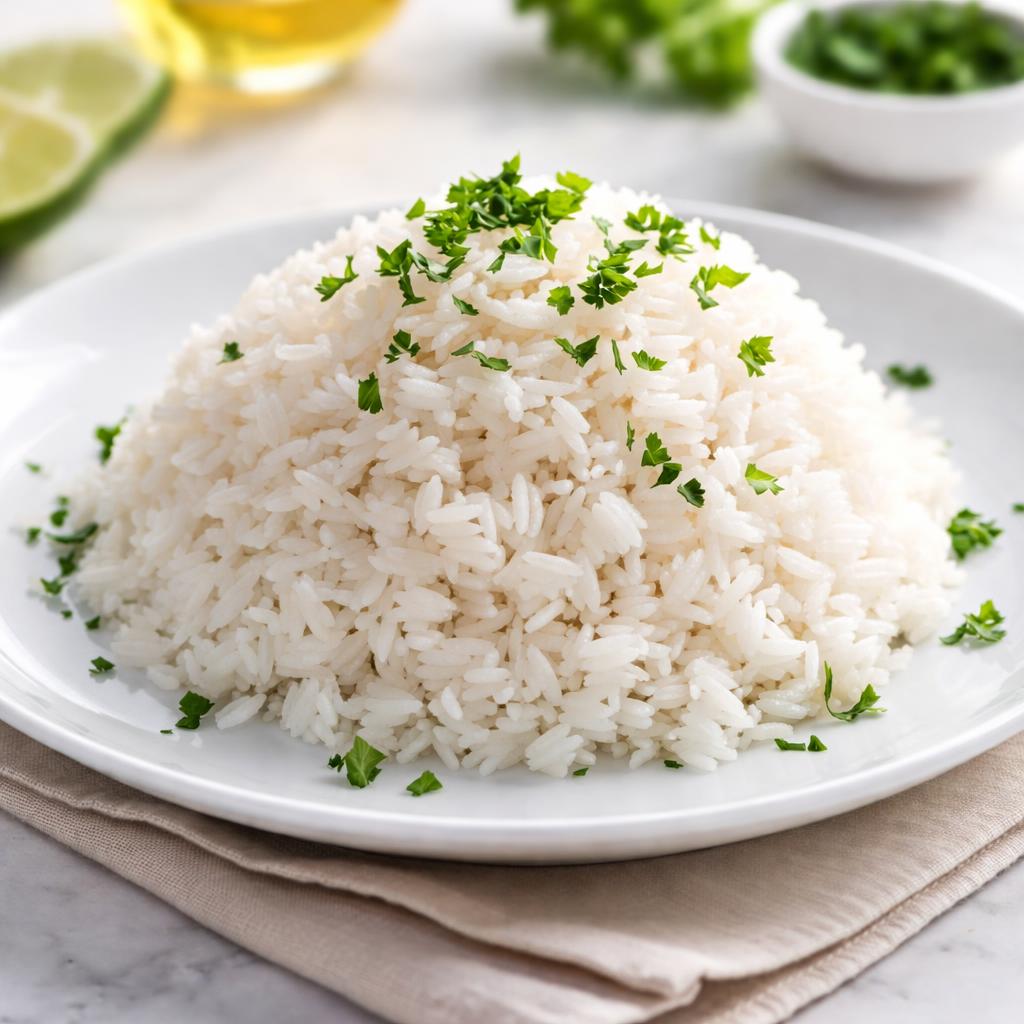
Rice
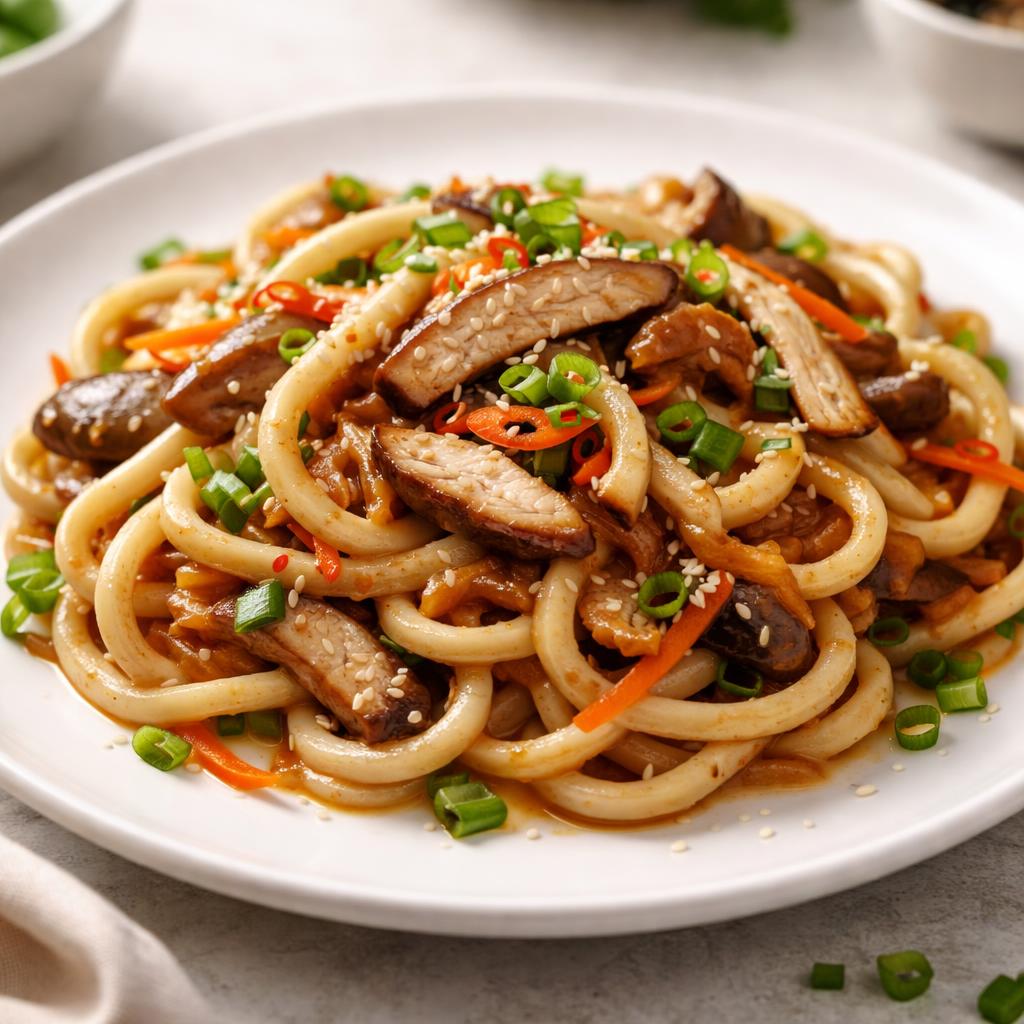
Udon
🎯 Quick Verdict
Rice is lower in calories and carbs, making it a better option for calorie-conscious or low-carb diets. Udon provides a slightly higher carb count but may be favored for its texture and balanced energy. Both foods are comparable in protein and fiber, but rice edges out due to its broader dietary compatibility.

Smart Nutrition Tracking with SnapCalorie

📊 Nutritional Comparison
Macronutrients
| Nutrient | Food 1 | Food 2 | Winner |
|---|---|---|---|
| Calories | 206 (per 1 cup cooked) | 210 (per 1 cup cooked) | − |
| Protein | 4.3g | 4g | − |
| Carbs | 44.8g | 42.4g | − |
| Fat | 0.4g | 0.1g | − |
| Fiber | 0.6g | 0.8g | − |
Vitamins & Minerals
| Nutrient | Food 1 | Food 2 | Winner |
|---|---|---|---|
| Vitamin B6 | 0.1mg | trace amounts | − |
| Thiamin (B1) | 0.3mg | 0.2mg | − |
| Folate | 8mcg | 10mcg | − |
🏆 Category Winners
Protein
Both rice and udon have similar low protein content overall.
Fiber
Fiber amounts are comparable, with only minor differences.
Calories
Rice has slightly fewer calories per cup compared to udon.
Vitamins
Rice contains more vitamin B6 and thiamin but udon has slightly more folate.
🥗 Diet Compatibility
Keto
Food 1: Not Compatible
Food 2: Not Compatible
Both rice and udon are high-carb foods.
Vegan
Food 1: Compatible
Food 2: Compatible
Both are plant-based and free of animal products.
Gluten Free
Food 1: Compatible
Food 2: Not Compatible
Rice is naturally gluten-free while udon contains wheat flour.
Paleo
Food 1: Compatible
Food 2: Not Compatible
Rice can fit within some paleo diets; udon, made from processed wheat, does not.
Low-Carb
Food 1: Not Compatible
Food 2: Not Compatible
Both are high in carbohydrates and unsuitable for low-carb diets.
💪 Health Benefits Comparison
Food 1 Benefits
- Naturally gluten-free, suitable for those with gluten intolerance or celiac disease
- Contains vitamin B6 for brain health
- Provides a quick source of energy from carbs
Food 2 Benefits
- Rich in folate which supports DNA synthesis
- Low in fat, supporting heart-healthy diets
- Provides balanced energy for sustained activity
✅ The Bottom Line
Choose rice if you need a lower-calorie option or are eating gluten-free. Udon is a great choice for those who enjoy its texture and need sustained energy, but note its wheat-based makeup. Both are low in fats and proteins, making them complementary to dishes that prioritize these macros.
Choose Food 1 for: Gluten-free diets, paleo compatibility, lighter meals
Choose Food 2 for: Sustained energy, comfort meals, folate intake


