Rice VS Turkey Sausage
A detailed nutritional comparison
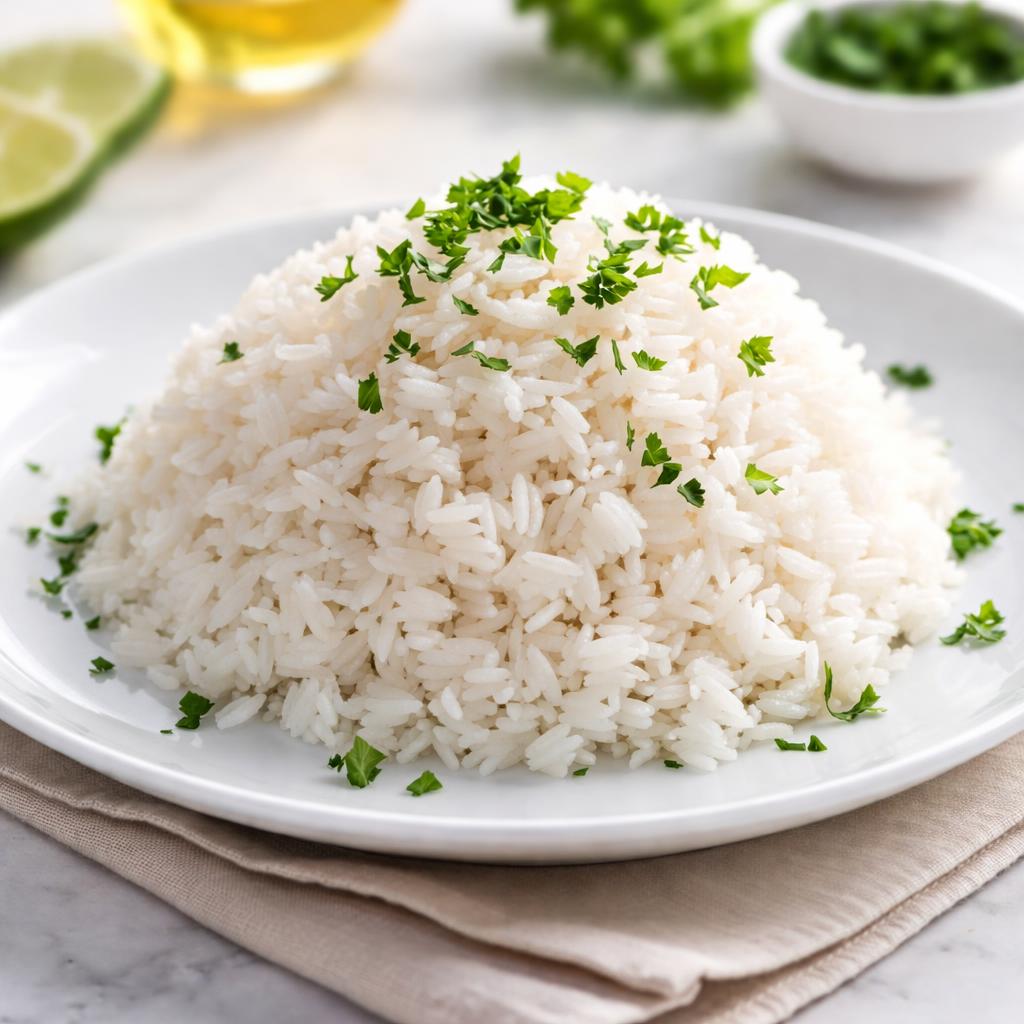
Rice
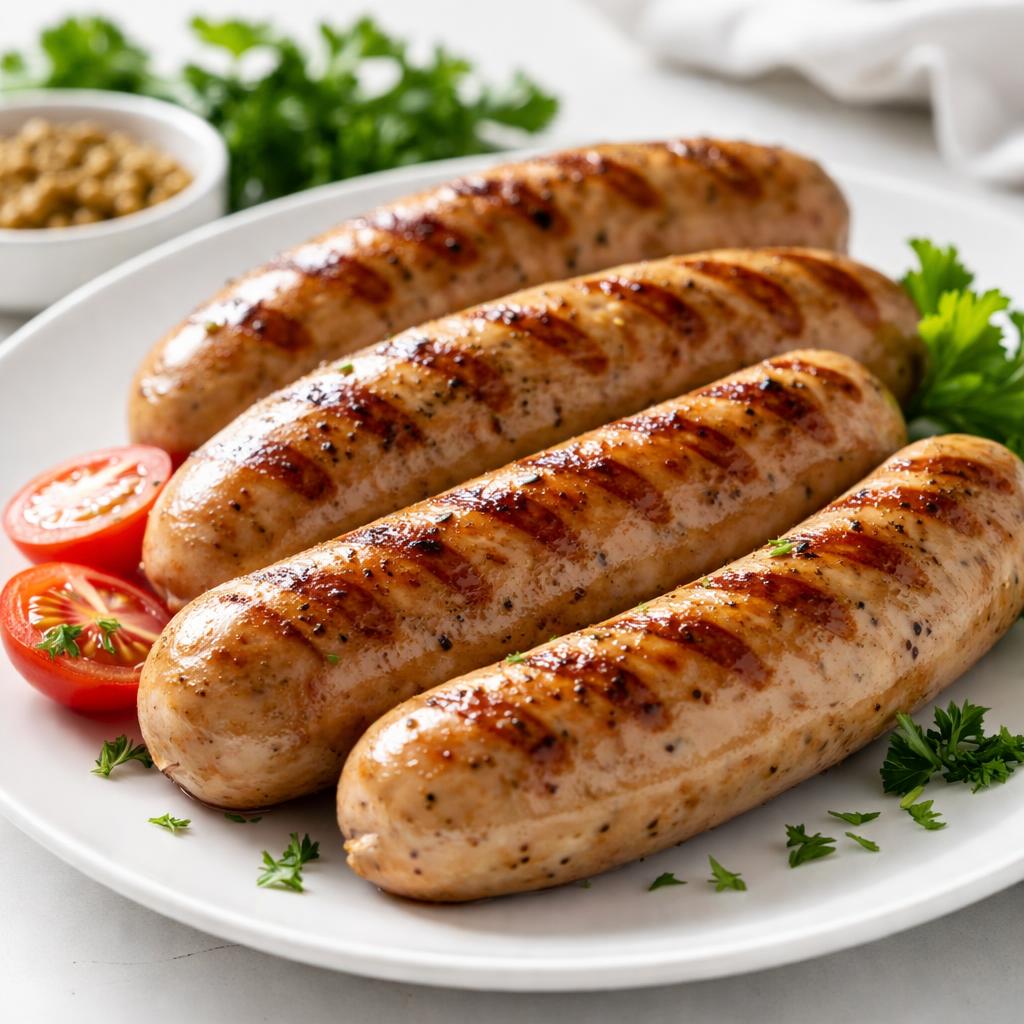
Turkey Sausage
🎯 Quick Verdict
Turkey sausage is the clear winner for protein content, making it a better choice for muscle support or keto diets, while rice excels in fiber and offers a low-calorie, carb-rich option ideal for energy and digestion. Both foods serve different purposes based on dietary goals and preferences.

Smart Nutrition Tracking with SnapCalorie

📊 Nutritional Comparison
Macronutrients
| Nutrient | Food 1 | Food 2 | Winner |
|---|---|---|---|
| Calories | 130 | 180 | ✓ |
| Protein | 2g | 12g | ✓ |
| Carbs | 28g | 1g | ✓ |
| Fat | 0.3g | 14g | ✓ |
| Fiber | 1.3g | 0g | ✓ |
Vitamins & Minerals
| Nutrient | Food 1 | Food 2 | Winner |
|---|---|---|---|
| Vitamin D | 0mcg | 1mcg | ✓ |
| Calcium | 10mg | 15mg | ✓ |
| Iron | 0.2mg | 1.1mg | ✓ |
🏆 Category Winners
Protein
Turkey sausage contains 12g of protein per serving, vastly outperforming rice's 2g.
Fiber
Rice provides 1.3g of fiber, while turkey sausage has no fiber.
Calories
Rice contains 130 calories per serving compared to turkey sausage's 180 calories.
🥗 Diet Compatibility
Keto
Food 1: Not Compatible
Food 2: Compatible
Turkey sausage is low in carbs (1g), while rice is high-carb.
Vegan
Food 1: Compatible
Food 2: Not Compatible
Rice is plant-based, whereas turkey sausage is animal-based.
Gluten Free
Food 1: Compatible
Food 2: Compatible
Neither contains gluten.
Paleo
Food 1: Not Compatible
Food 2: Compatible
Turkey sausage aligns with paleo criteria, while rice does not.
Low Carb
Food 1: Not Compatible
Food 2: Compatible
Turkey sausage is extremely low-carb (1g per serving), whereas rice is high in carbs (28g).
💪 Health Benefits Comparison
Food 1 Benefits
- Rich source of carbohydrates for sustained energy
- Contains fiber for digestive health
- Low in fat and cholesterol
Food 2 Benefits
- High protein content supports muscle growth and maintenance
- Provides healthy fats for energy and satiety
- Good source of important minerals such as iron and calcium
✅ The Bottom Line
Choose turkey sausage if you're pursuing a high-protein, low-carb, or keto diet, as it provides muscle-supporting protein and essential fats. Opt for rice if you need a fiber-rich, low-fat, energy-boosting carbohydrate source. Both foods can complement different dietary strategies depending on your goals.
Choose Food 1 for: Vegetarian diets, sustained energy, high-carb meals like pre-workout fuel
Choose Food 2 for: Keto, paleo, high-protein diets, post-workout recovery


