Rice VS Turkey Chili
A detailed nutritional comparison
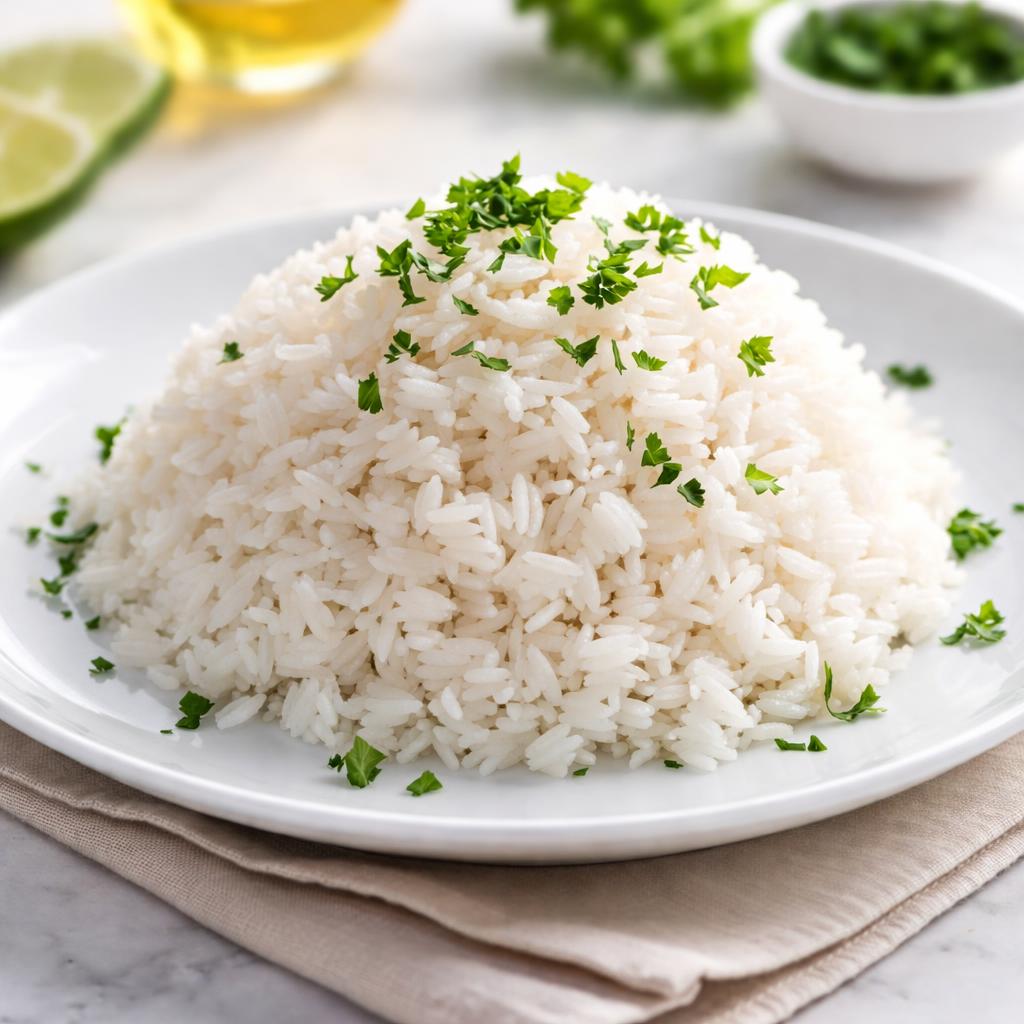
Rice
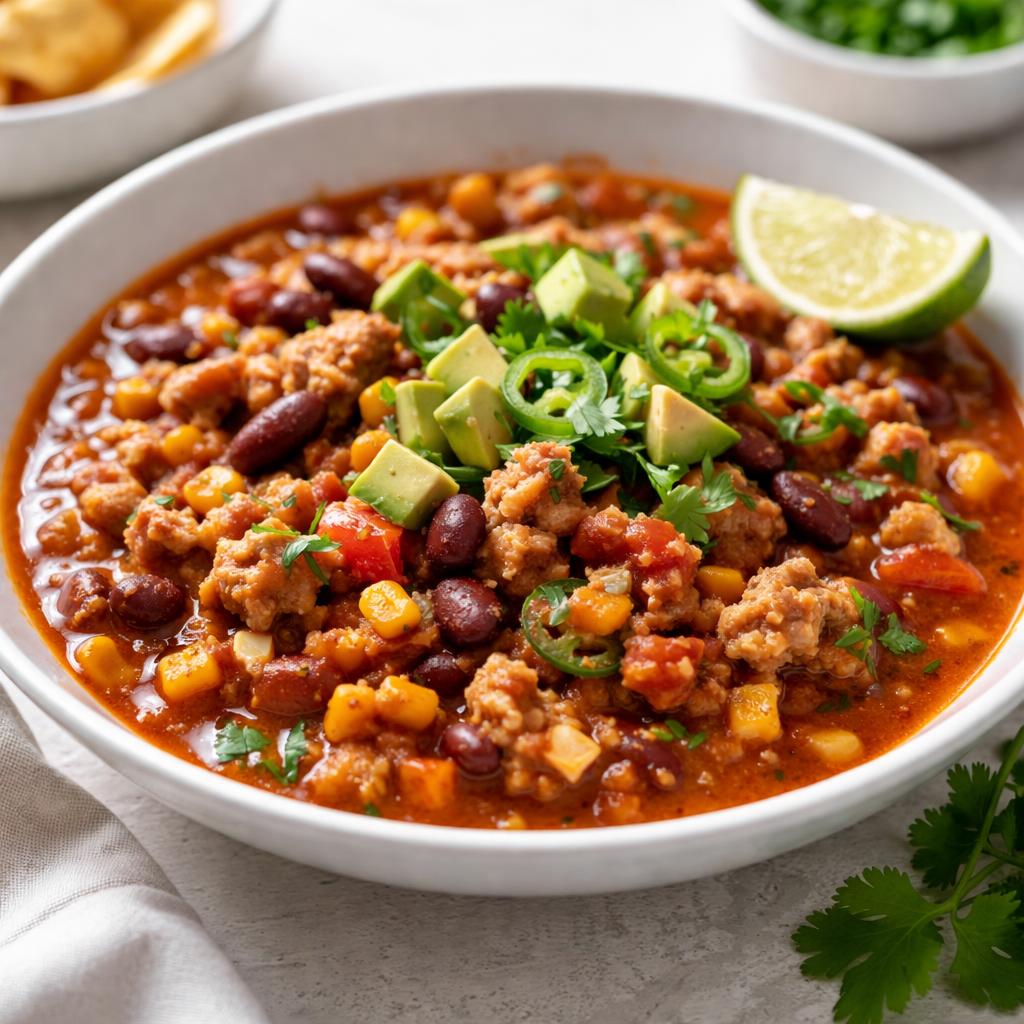
Turkey Chili
🎯 Quick Verdict
Turkey chili offers substantially more protein, fiber, and a variety of vitamins compared to rice, making it the more nutrient-dense option. Rice, on the other hand, offers fewer calories and is suitable for adding energy-dense carbohydrates to meals. Turkey chili is best for high-protein diets and weight management, while rice excels as an easy-to-digest carb source for quick energy or bulking meals.

Smart Nutrition Tracking with SnapCalorie

📊 Nutritional Comparison
Macronutrients
| Nutrient | Food 1 | Food 2 | Winner |
|---|---|---|---|
| Calories | 206 per cup (cooked) | 240 per cup (prepared) | ✓ |
| Protein | 4.3g | 22g | ✓ |
| Carbs | 44.5g | 18g | ✓ |
| Fat | 0.4g | 6g | ✓ |
| Fiber | 0.6g | 6g | ✓ |
Vitamins & Minerals
| Nutrient | Food 1 | Food 2 | Winner |
|---|---|---|---|
| Vitamin D | 0mcg | 1mcg | ✓ |
| Calcium | 10mg | 80mg | ✓ |
| Iron | 0.2mg | 3.2mg | ✓ |
🏆 Category Winners
Protein
Turkey chili has over five times the protein per serving compared to rice.
Fiber
Turkey chili contains 10 times more fiber per serving.
Calories
Rice is lower in calories, providing 34 fewer calories per cup.
Vitamins
Turkey chili is higher in essential vitamins and minerals like calcium and iron.
🥗 Diet Compatibility
Keto
Food 1: Not Compatible
Food 2: Compatible
Rice is high in carbs (44.5g per serving), while turkey chili is lower-carb (18g per serving).
Vegan
Food 1: Compatible
Food 2: Not Compatible
Rice is plant-based, but turkey chili contains animal products.
Gluten Free
Food 1: Compatible
Food 2: Compatible
Both foods are naturally gluten-free.
Paleo
Food 1: Not Compatible
Food 2: Compatible
Rice isn't paleo-friendly due to its grain content, while turkey chili aligns with paleo diets when ingredients are compliant.
Low Carb
Food 1: Not Compatible
Food 2: Compatible
Rice is high-carb and not suitable for low-carb diets, whereas turkey chili is relatively low in carbohydrates.
💪 Health Benefits Comparison
Food 1 Benefits
- Provides easily digestible energy from carbohydrates
- Low in fat, making it suitable for low-fat diets
- Naturally gluten-free, suitable for sensitive individuals
Food 2 Benefits
- High in protein, supporting muscle building and repair
- Rich in fiber, promoting gut health and satiety
- Contains iron and calcium for bone health and oxygen transport
✅ The Bottom Line
Turkey chili is a nutrient-packed food ideal for individuals seeking high protein, fiber, and essential vitamins. Rice is better for those who need a quick-digesting carb source for energy or meal bulking. Choose rice for simplicity or carb-loading meals, and opt for turkey chili for a balanced nutritional profile or a complete meal.
Choose Food 1 for: Carb-loading, simple meals, energy-boosting snacks
Choose Food 2 for: High-protein diets, post-workout meals, nutrient-dense dinners


