Rice VS Tuna Can
A detailed nutritional comparison
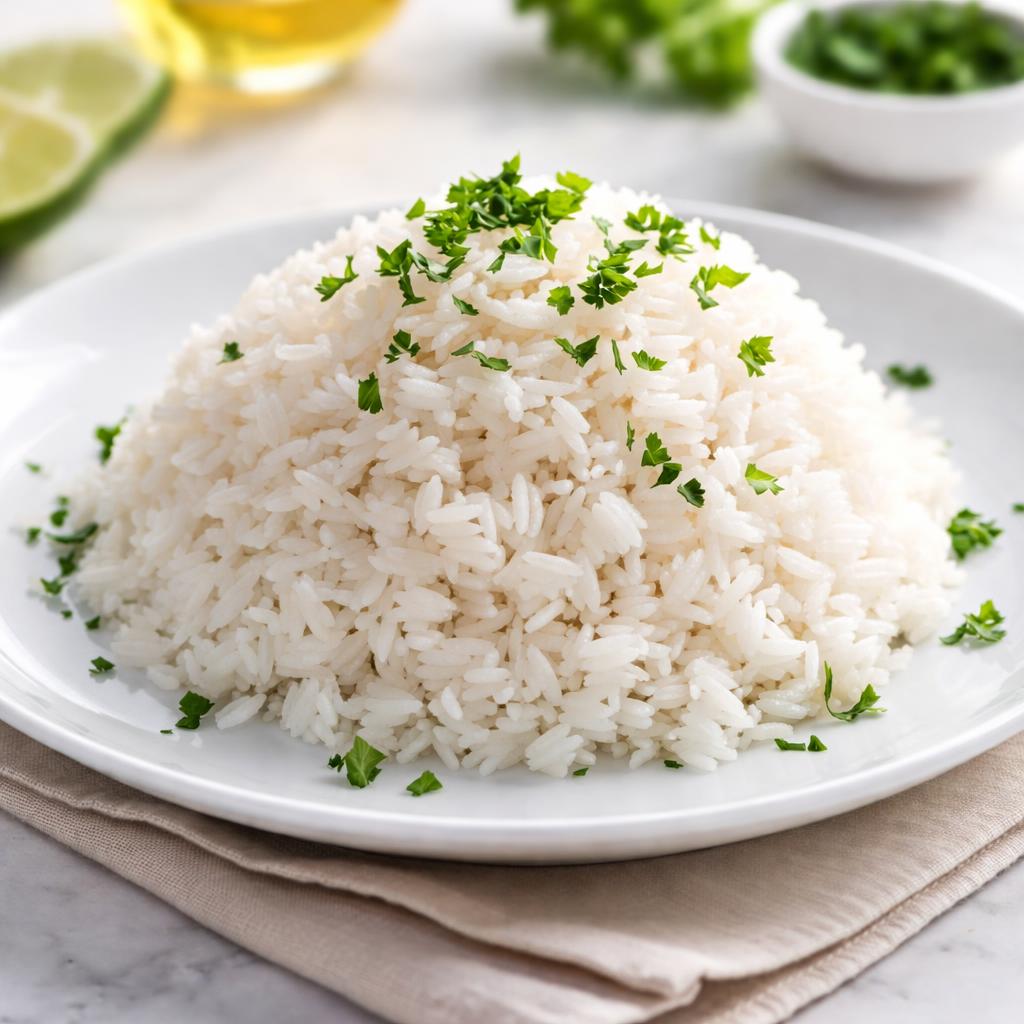
Rice
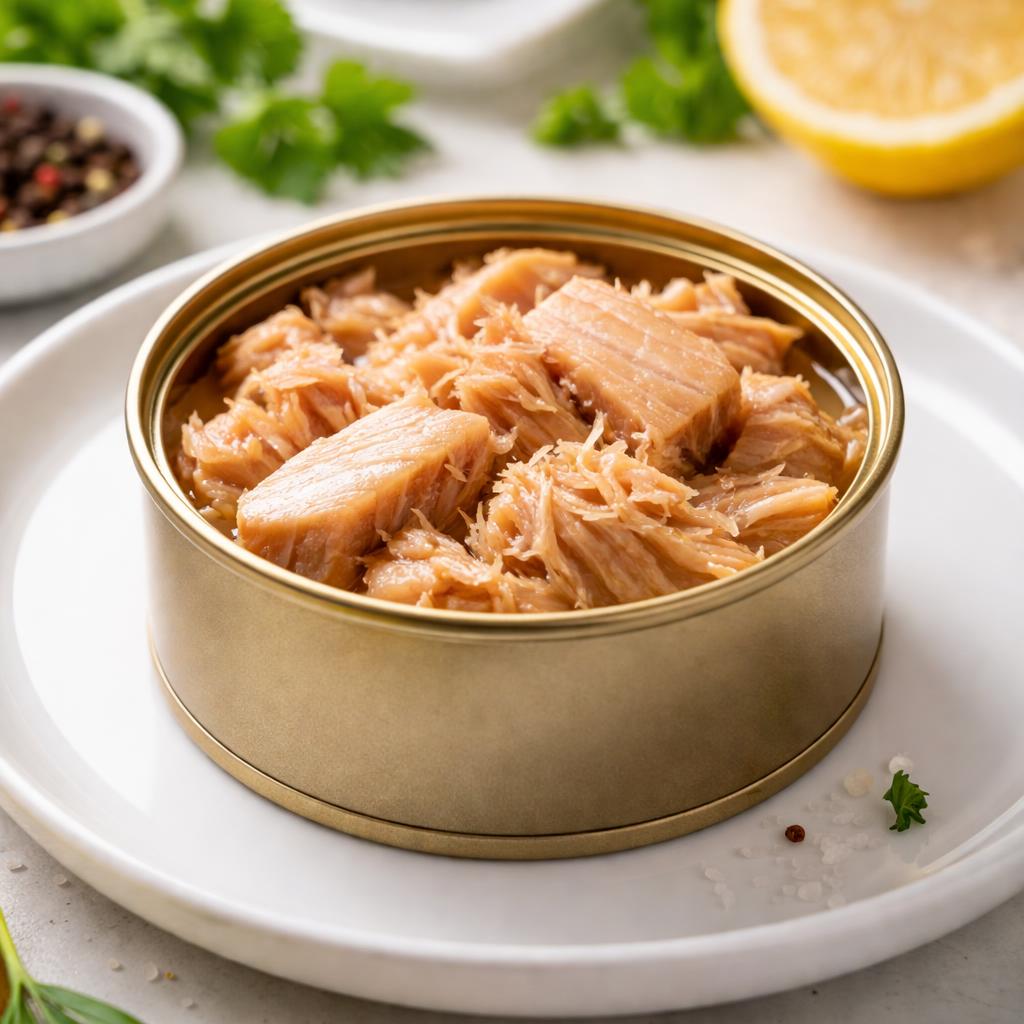
Tuna Can
🎯 Quick Verdict
Rice and canned tuna serve vastly different dietary purposes. Tuna is a protein powerhouse with 20-25g per serving, while rice is primarily a carb source at 45g per cup. Rice has more fiber and calories, making it optimal for energy needs, while canned tuna suits protein-focused and low-calorie diets best. Choose based on your goals: energy vs lean muscle support.

Smart Nutrition Tracking with SnapCalorie

📊 Nutritional Comparison
Macronutrients
| Nutrient | Food 1 | Food 2 | Winner |
|---|---|---|---|
| Calories | 206 (per cooked cup) | 120 (per 100g) | ✓ |
| Protein | 4.3g | 25g | ✓ |
| Carbs | 45g | 0g | ✓ |
| Fat | 0.4g | 4g | ✓ |
| Fiber | 0.6g | 0g | ✓ |
Vitamins & Minerals
| Nutrient | Food 1 | Food 2 | Winner |
|---|---|---|---|
| Vitamin D | 0mcg | 4.5mcg | ✓ |
| Calcium | 6mg | 10mg | ✓ |
| Iron | 0.5mg | 1.4mg | ✓ |
🏆 Category Winners
Protein
Canned tuna contains over 5x more protein per serving compared to rice.
Fiber
Rice provides dietary fiber, whereas tuna contains none.
Calories
Tuna is lower in calories, making it suitable for caloric restriction.
Vitamins
Tuna is superior in Vitamin D, calcium, and iron content.
🥗 Diet Compatibility
Keto
Food 1: Not Compatible
Food 2: Compatible
Food1 is high-carb, while food2 is carb-free.
Vegan
Food 1: Compatible
Food 2: Not Compatible
Rice is plant-based, but tuna is animal-derived.
Gluten Free
Food 1: Compatible
Food 2: Compatible
Neither food contains gluten.
Paleo
Food 1: Not Compatible
Food 2: Compatible
Rice is not paleo-friendly, while canned tuna is.
Low Carb
Food 1: Not Compatible
Food 2: Compatible
Rice is high-carb (45g per cup), whereas tuna has zero carbs.
💪 Health Benefits Comparison
Food 1 Benefits
- Provides a quick source of carbohydrates for energy
- Contains small amounts of fiber for digestive health
- Low in fat and suitable for low-fat diets
Food 2 Benefits
- High in protein to support muscle growth and repair
- Rich in Vitamin D for bone health and immune function
- Contains omega-3 fatty acids for brain and heart health
✅ The Bottom Line
Rice and canned tuna cater to opposite dietary goals. Opt for rice if looking for energy or carb replenishment, particularly in sports or high-activity lifestyles. Choose tuna for high-protein, low-calorie meals, especially in weight loss or fitness-focused diets.
Choose Food 1 for: Energy needs, high-carb diets, post-exercise carb replenishment
Choose Food 2 for: Weight loss, high-protein diets, brain and heart health


