Rice VS Tortilla
A detailed nutritional comparison
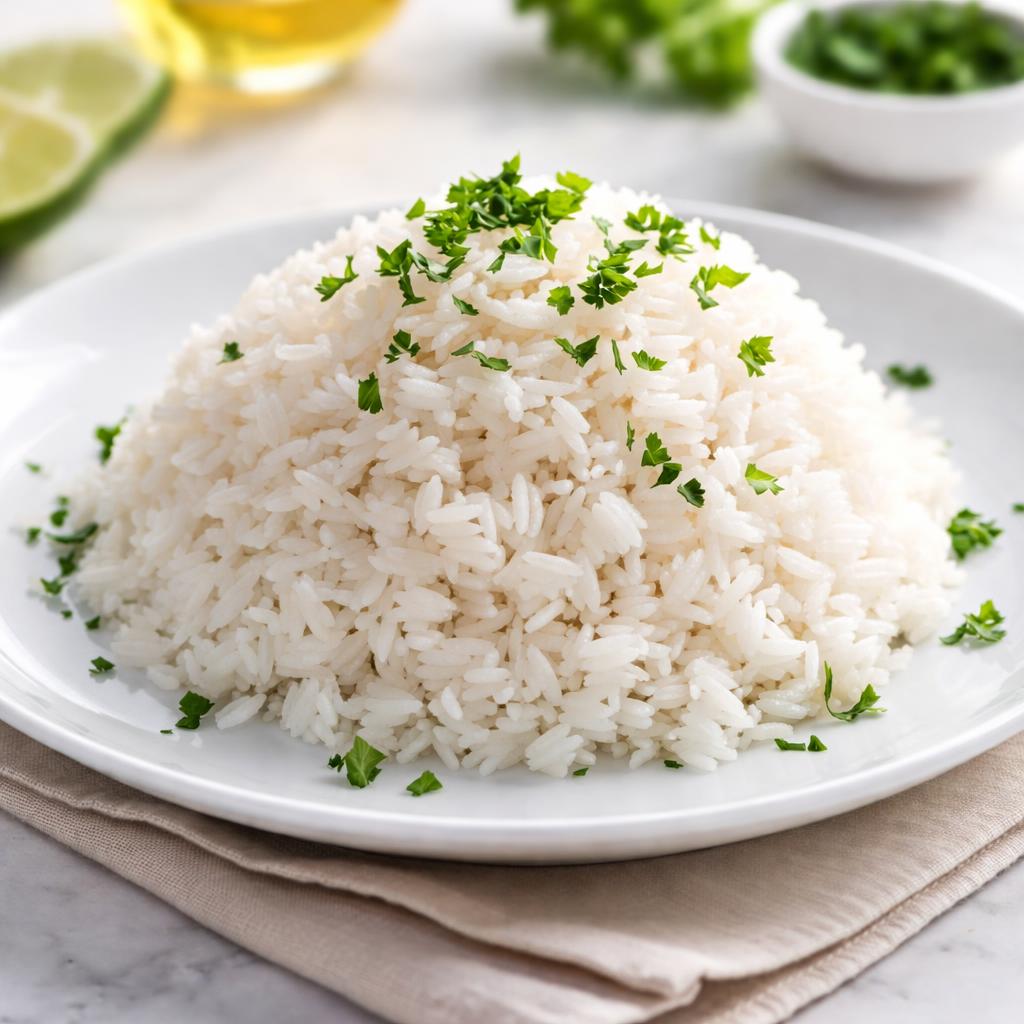
Rice
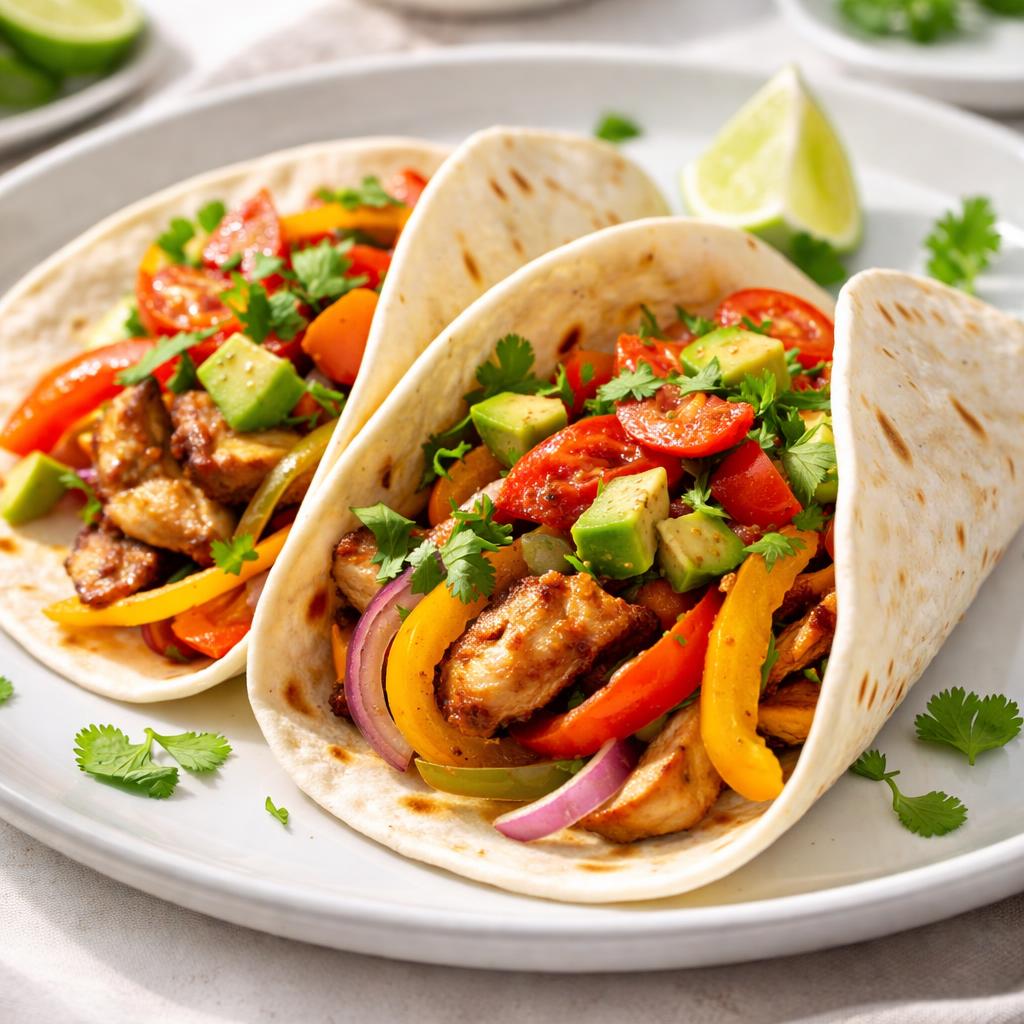
Tortilla
🎯 Quick Verdict
Rice and tortillas differ in nutrient density and composition. Rice is lower in calories with moderate carbs, while tortillas provide more protein and fiber. Rice works well for energy-rich meals like stir-fries, whereas tortillas are versatile for wraps and protein-packed dishes.

Smart Nutrition Tracking with SnapCalorie

📊 Nutritional Comparison
Macronutrients
| Nutrient | Food 1 | Food 2 | Winner |
|---|---|---|---|
| Calories | 130 (per 1 cup cooked) | 140 (per medium 49g tortilla) | ✓ |
| Protein | 2.7g | 4g | ✓ |
| Carbs | 28g | 25g | ✓ |
| Fat | 0.3g | 3g | ✓ |
| Fiber | 0.6g | 2g | ✓ |
Vitamins & Minerals
| Nutrient | Food 1 | Food 2 | Winner |
|---|---|---|---|
| Vitamin D | 0mcg | 0mcg | − |
| Calcium | 10mg | 40mg | ✓ |
| Iron | 0.6mg | 1.6mg | ✓ |
🏆 Category Winners
Protein
Tortilla has nearly 50% more protein per serving.
Fiber
Tortilla provides over three times the fiber of rice.
Calories
Rice is slightly lower in calories per serving than tortilla.
Vitamins
Tortilla contains higher calcium and iron levels compared to rice.
🥗 Diet Compatibility
Keto
Food 1: Not Compatible
Food 2: Not Compatible
Both are high-carb foods and not suitable for keto diets.
Vegan
Food 1: Compatible
Food 2: Compatible
Both are plant-based foods.
Gluten Free
Food 1: Compatible
Food 2: Not Compatible
Rice is naturally gluten-free, while most tortillas contain gluten unless specifically labeled gluten-free.
Paleo
Food 1: Compatible
Food 2: Not Compatible
Rice fulfills paleo requirements; tortillas often contain additives and grains unsuitable for paleo.
Low-Carb
Food 1: Not Compatible
Food 2: Not Compatible
Both are carb-heavy foods unsuitable for low-carb diets.
💪 Health Benefits Comparison
Food 1 Benefits
- Low in fat and ideal for high-energy meals
- Gluten-free and suitable for sensitive stomachs
- Rich in carbohydrates to fuel physical activity
Food 2 Benefits
- Higher protein content supports muscle maintenance
- Rich in fiber for improved digestion
- Provides essential calcium and iron for bone health
✅ The Bottom Line
Rice is lower in calories and ideal for clean, energy-dense meals, especially for those with gluten intolerance. Tortillas provide more protein, fiber, and essential minerals, making them a better option for wraps and nutrient-dense dishes with added fillings.
Choose Food 1 for: Gluten-free diets, energy meals, paleo-friendly dishes
Choose Food 2 for: Protein-oriented diets, heart health, nutrient-packed meals


