Rice VS Tapioca
A detailed nutritional comparison
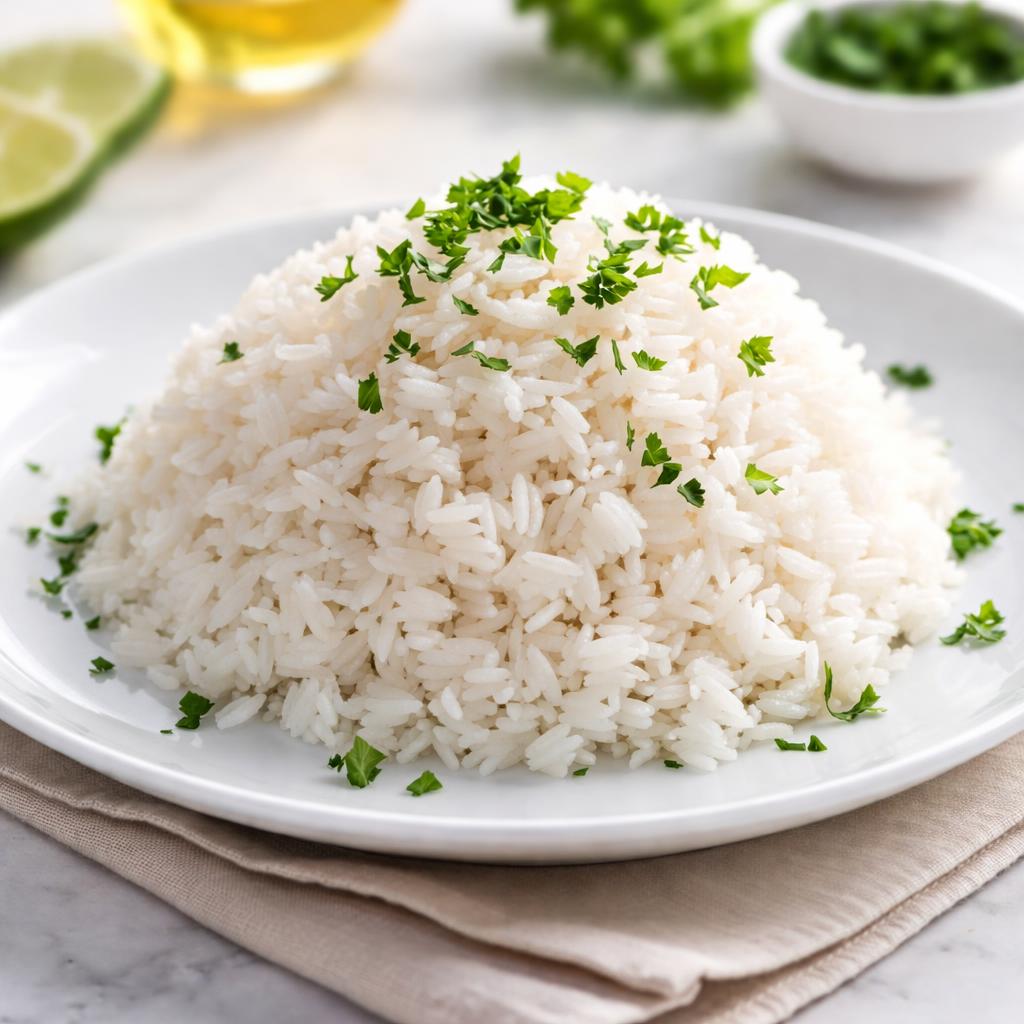
Rice

Tapioca
🎯 Quick Verdict
Rice is nutritionally denser than tapioca, offering more protein, fiber, and vitamins, making it suitable for energy and muscle maintenance. Tapioca is lower in calories and fat, but lacks significant nutritional variety, making it better for those needing lighter options or avoiding heavier carbs. Both are gluten-free and vegan-friendly, with distinct uses in varying diets.

Smart Nutrition Tracking with SnapCalorie

📊 Nutritional Comparison
Macronutrients
| Nutrient | Food 1 | Food 2 | Winner |
|---|---|---|---|
| Calories | 206 (per 1 cup cooked) | 100 (per 1 cup cooked) | ✓ |
| Protein | 4.3g | 0g | ✓ |
| Carbs | 45g | 26g | ✓ |
| Fat | 0.4g | 0.1g | ✓ |
| Fiber | 0.6g | 0g | ✓ |
Vitamins & Minerals
| Nutrient | Food 1 | Food 2 | Winner |
|---|---|---|---|
| Vitamin B6 | 0.1mg | 0mg | ✓ |
| Calcium | 9mg | 20mg | ✓ |
| Iron | 0.5mg | 0.3mg | ✓ |
| Magnesium | 13mg | 0mg | ✓ |
🏆 Category Winners
Protein
Rice contains 4.3g of protein per cup, while tapioca contains none.
Fiber
Rice has 0.6g of fiber per serving, and tapioca has no fiber content.
Calories
Tapioca has nearly 50% fewer calories than rice per serving.
🥗 Diet Compatibility
Keto
Food 1: Not Compatible
Food 2: Partially Compatible
Both are high-carb, but tapioca has slightly lower carb content which might fit small portions of low-carb diets.
Vegan
Food 1: Compatible
Food 2: Compatible
Both are plant-based and vegan-friendly.
Gluten Free
Food 1: Compatible
Food 2: Compatible
Neither rice nor tapioca contains gluten.
Paleo
Food 1: Not Compatible
Food 2: Compatible
Tapioca is paleo-friendly as it is derived from cassava root, whereas rice is not considered paleo.
Low Carb
Food 1: Not Compatible
Food 2: Not Compatible
Both rice and tapioca are high-carb options unsuitable for low-carb diets.
💪 Health Benefits Comparison
Food 1 Benefits
- Rich source of carbohydrates for energy
- Provides small amounts of protein for muscle maintenance
- Contains trace amounts of vitamins and minerals such as magnesium and iron
- Low-fat and easy to digest for sensitive stomachs
Food 2 Benefits
- Low in calories for lighter meals
- Gluten-free and suitable for allergy sufferers
- Contains small amounts of calcium for bone health
- Provides quick energy without fats or sugar
✅ The Bottom Line
Choose rice for more nutritional diversity, protein, fiber, and sustained energy. Tapioca is a low-calorie, easy-digesting option suitable for allergen-friendly or paleo diets. Both work well in specific culinary applications depending on dietary priorities.
Choose Food 1 for: Muscle maintenance, heavier meals, sustained energy, balanced nutrition
Choose Food 2 for: Low-calorie diets, light meals, paleo-friendly cooking, allergen-friendly recipes


