Rice VS Takis
A detailed nutritional comparison
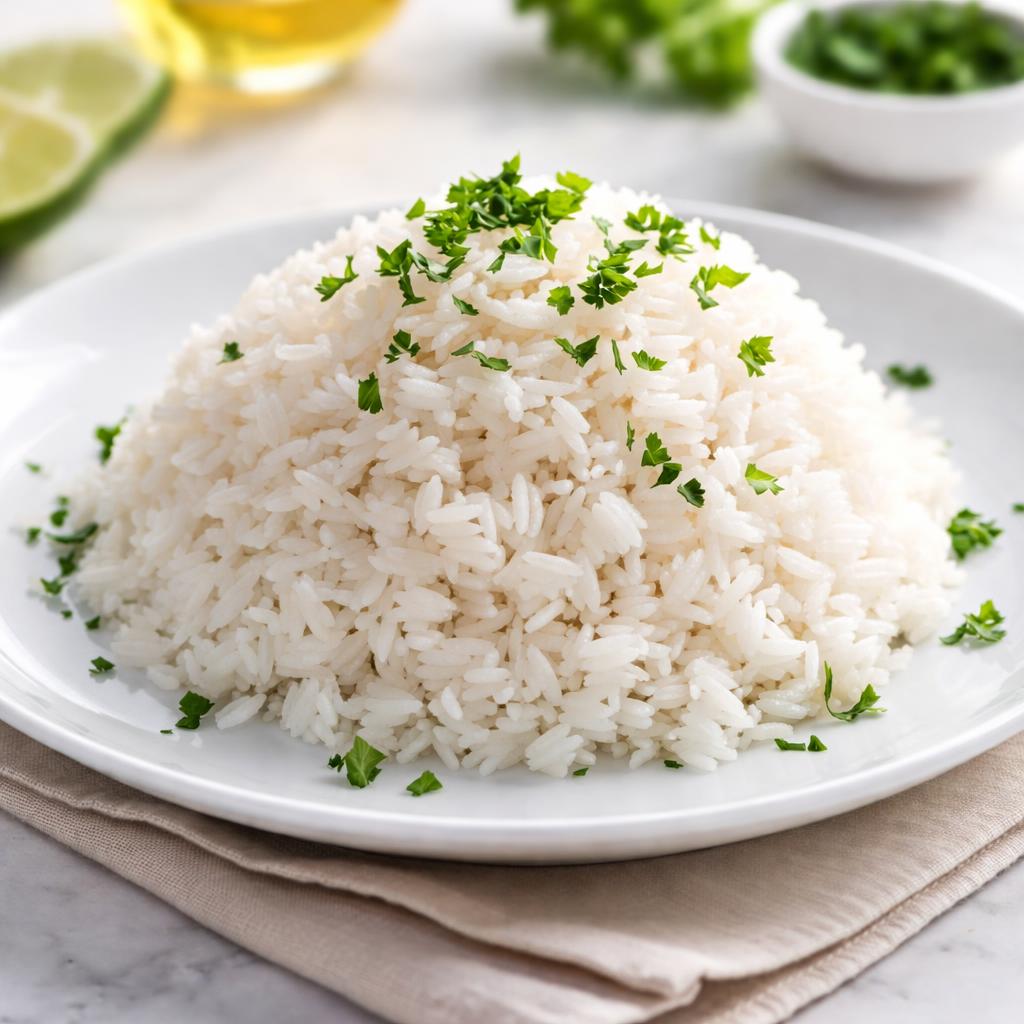
Rice
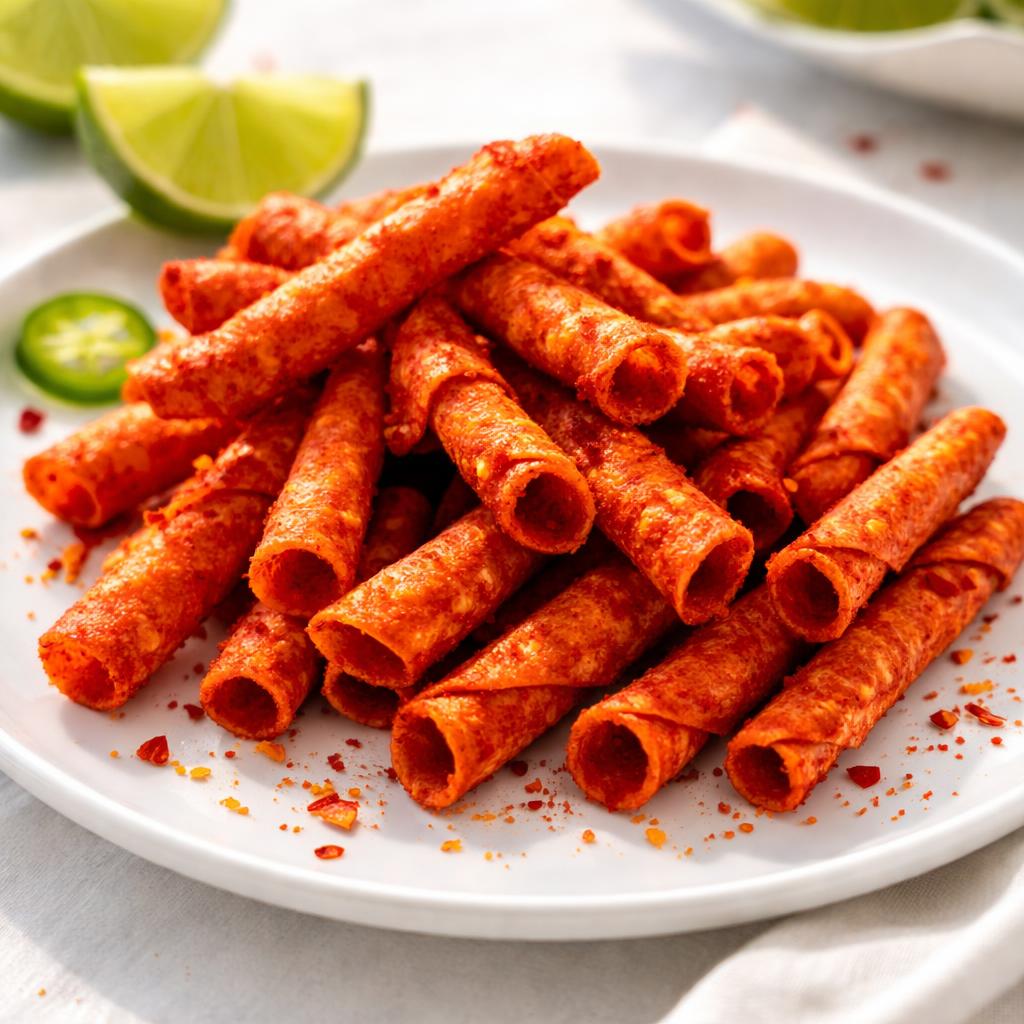
Takis
🎯 Quick Verdict
Rice is a simple, versatile staple with higher protein, fiber, and lower calories compared to Takis. Takis are a processed snack high in calories, fat, and sodium, appealing for occasional indulgence but lacking key nutrients. Rice is better suited for balanced meals, while Takis are a less healthy snack option.

Smart Nutrition Tracking with SnapCalorie

📊 Nutritional Comparison
Macronutrients
| Nutrient | Food 1 | Food 2 | Winner |
|---|---|---|---|
| Calories | 205 calories per 1 cup cooked | 140 calories per 1 ounce (approx. 12 pieces) | − |
| Protein | 4.3g | 2g | − |
| Carbs | 44g | 16g | − |
| Fat | 0.4g | 8g | − |
| Fiber | 0.6g (white rice); 3.5g (brown rice) | 1g | − |
Vitamins & Minerals
| Nutrient | Food 1 | Food 2 | Winner |
|---|---|---|---|
| Vitamin D | 0mcg | 0mcg | − |
| Calcium | 10mg | 15mg | − |
| Iron | 0.9mg | 0mg | − |
🏆 Category Winners
Protein
Rice provides over double the protein compared to Takis.
Fiber
Brown rice offers significantly more fiber than Takis.
Calories
Rice offers more calorie control and satiety compared to calorically dense Takis.
Vitamins
Both foods offer limited vitamin and mineral profiles, but rice contains slightly more iron.
🥗 Diet Compatibility
Keto
Food 1: Not Compatible
Food 2: Not Compatible
Both foods are high-carb and unsuitable for keto.
Vegan
Food 1: Compatible
Food 2: Compatible
Both are plant-based foods.
Gluten Free
Food 1: Compatible
Food 2: Check packaging
Rice is naturally gluten-free, while Takis may contain cross-contamination risks depending on production.
Paleo
Food 1: Compatible (brown rice)
Food 2: Not Compatible
Processed snacks like Takis do not align with paleo principles.
Low Carb
Food 1: Not Compatible
Food 2: Not Compatible
Both foods contain substantial carbohydrates.
💪 Health Benefits Comparison
Food 1 Benefits
- Provides complex carbohydrates for energy
- Contains essential minerals like iron for oxygen transport
- Versatile and easy to digest, making it suitable for sensitive stomachs
Food 2 Benefits
- Convenient snack option for quick energy boost
- Contains small amounts of calcium for bone health
- Provides flavor and crunch satisfying cravings
✅ The Bottom Line
Opt for rice when looking for a nutrient-dense, versatile staple for meals or fiber-rich options like brown rice. Takis are best reserved for occasional snacking but are not a balanced dietary choice due to their high fat, sodium, and processed ingredients.
Choose Food 1 for: Balanced meals, energy for active lifestyles, and budget-friendly diets
Choose Food 2 for: Indulgent snacks, satisfying cravings, short-term energy boosts


