Rice VS Sushi Roll With Salmon
A detailed nutritional comparison
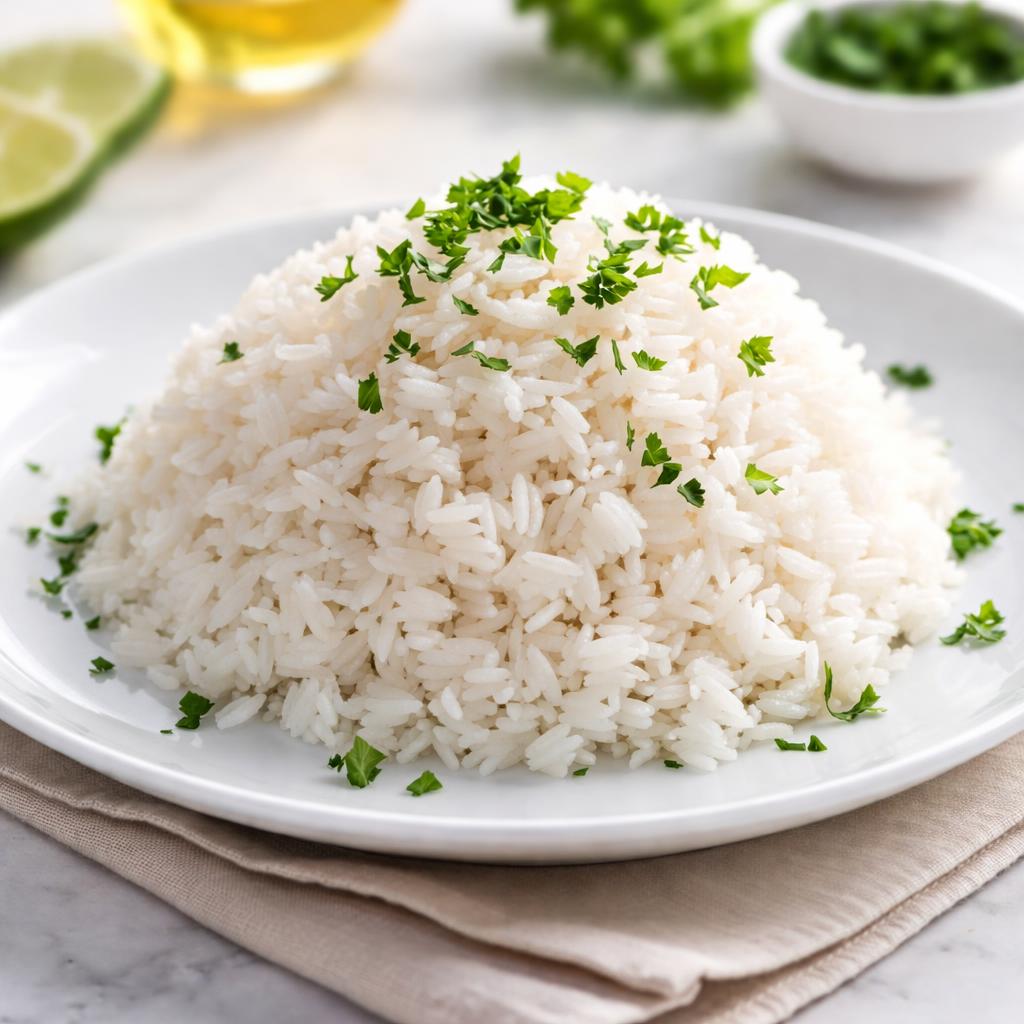
Rice
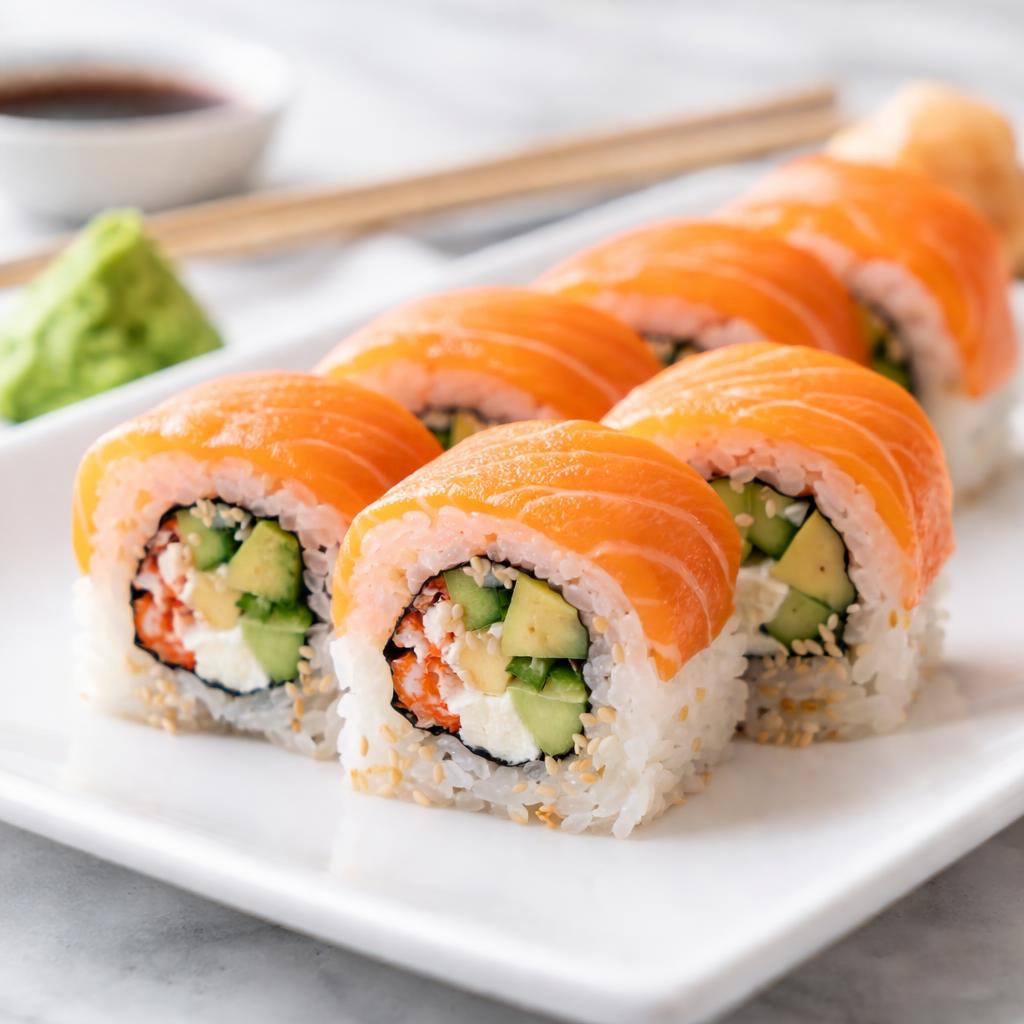
Sushi Roll With Salmon
🎯 Quick Verdict
Sushi rolls with salmon offer significantly more protein (7g vs 2g) and essential omega-3 fatty acids compared to plain rice, but rice is slightly lower in calories per serving (130 vs 180 calories per 100g). While rice is vegan-friendly and a clean carbohydrate source, sushi rolls are richer in nutrients and better suited for protein-packed, nutrient-dense diets.

Smart Nutrition Tracking with SnapCalorie

📊 Nutritional Comparison
Macronutrients
| Nutrient | Food 1 | Food 2 | Winner |
|---|---|---|---|
| Calories | 130 | 180 | ✓ |
| Protein | 2g | 7g | ✓ |
| Carbs | 28g | 20g | ✓ |
| Fat | 0.3g | 4g | ✓ |
| Fiber | 0.4g | 0.3g | ✓ |
Vitamins & Minerals
| Nutrient | Food 1 | Food 2 | Winner |
|---|---|---|---|
| Vitamin D | 0mcg | 4mcg | ✓ |
| Calcium | 10mg | 20mg | ✓ |
| Iron | 0.2mg | 0.7mg | ✓ |
🏆 Category Winners
Protein
Sushi roll with salmon provides 250% more protein.
Fiber
Rice contains slightly more fiber than sushi rolls.
Calories
Rice has 28% fewer calories per serving.
Vitamins
Sushi rolls contain higher amounts of Vitamin D, calcium, and iron.
🥗 Diet Compatibility
Keto
Food 1: Not Compatible
Food 2: Not Compatible
Both are too high in carbohydrates for a keto diet.
Vegan
Food 1: Compatible
Food 2: Not Compatible
Rice is vegan; sushi rolls typically contain fish.
Gluten Free
Food 1: Compatible
Food 2: Depends
Rice is gluten-free; sushi rolls may contain gluten in soy sauce or other ingredients.
Paleo
Food 1: Not Compatible
Food 2: Depends
Rice is not paleo; sushi rolls might qualify if grain-free and soy-free.
Low Carb
Food 1: Not Compatible
Food 2: Not Compatible
Both foods are carbohydrate-rich.
💪 Health Benefits Comparison
Food 1 Benefits
- Good source of clean, simple carbohydrates for energy
- Low in fat, suitable for low-fat diets
- Easily digestible, suitable for sensitive stomachs
Food 2 Benefits
- Rich in omega-3 fatty acids from salmon for heart and brain health
- Higher protein content supports muscle maintenance and repair
- Provides essential vitamins and minerals like Vitamin D and iron
✅ The Bottom Line
Rice is a simple, versatile carbohydrate source ideal for energy needs and vegan diets, while sushi rolls with salmon are nutritionally denser and better for protein and omega-3 intake. Choose rice for a side dish or vegan meals. Opt for sushi rolls for a well-rounded, nutrient-rich option, especially suitable for post-workout recovery or heart-healthy diets.
Choose Food 1 for: Vegan meals, clean carb source, low-fat diets
Choose Food 2 for: Nutrient-dense meals, protein-rich diets, heart health


